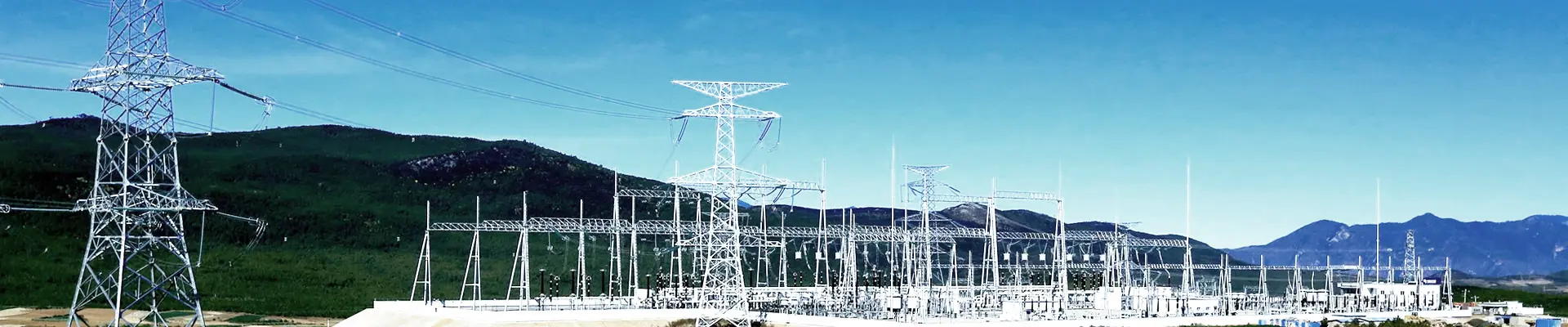
Outdoor electrical distribution networks operate under challenging environmental conditions, including rain, wind, dust, temperature fluctuations, and lightning exposure. Utilities, industrial facilities, renewable energy plants, and infrastructure projects require dependable switching equipment that can safely control electrical loads while maintaining uninterrupted service.
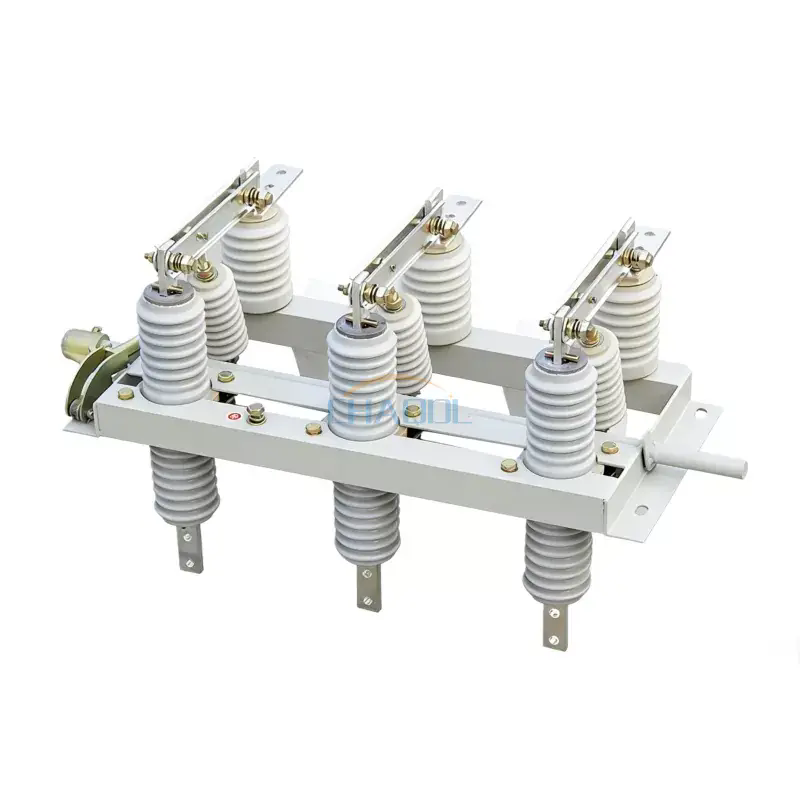
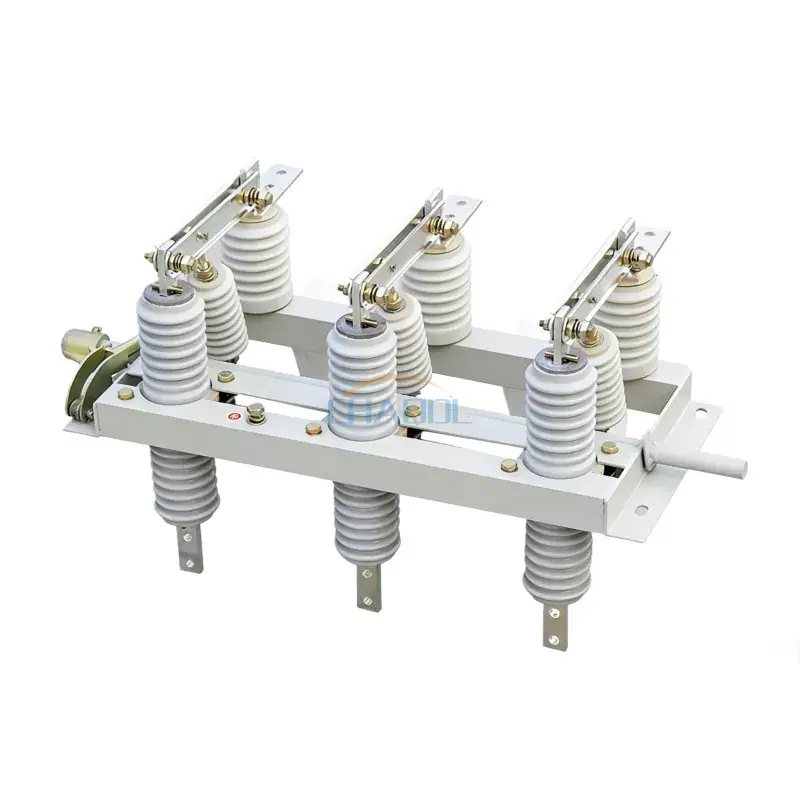
Indoor High Voltage Disconnect Switches play a critical role in electrical power systems by providing visible isolation points for maintenance, inspection, and operational safety. Selecting the wrong disconnect switch can lead to reliability issues, increased maintenance costs, and safety risks. This comprehensive guide explains how to choose the right Indoor High Voltage Disconnect Switch, key technical considerations, installation requirements, common customer challenges, and best practices for long-term performance.
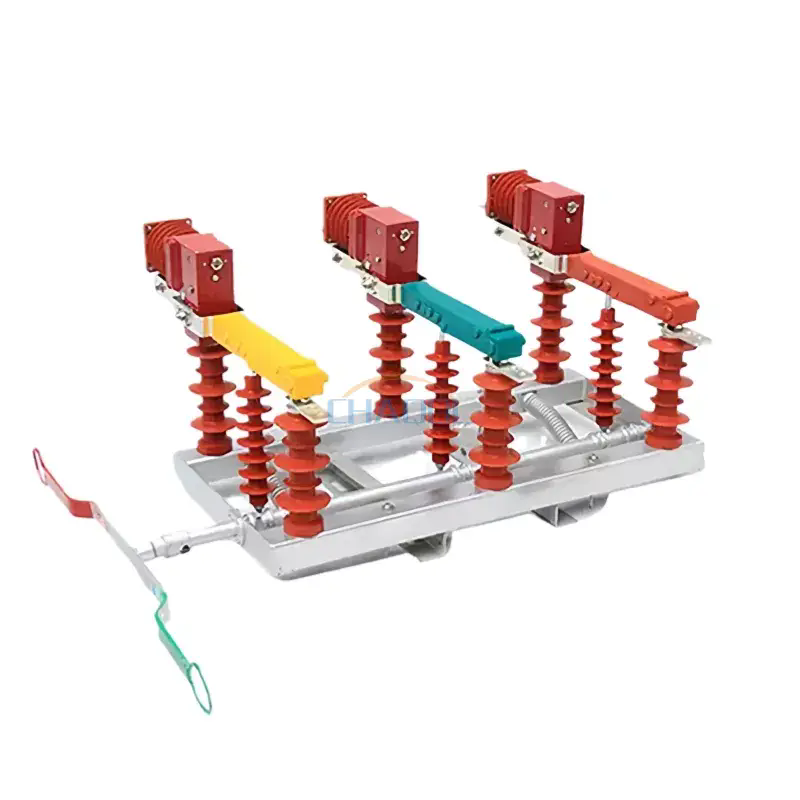
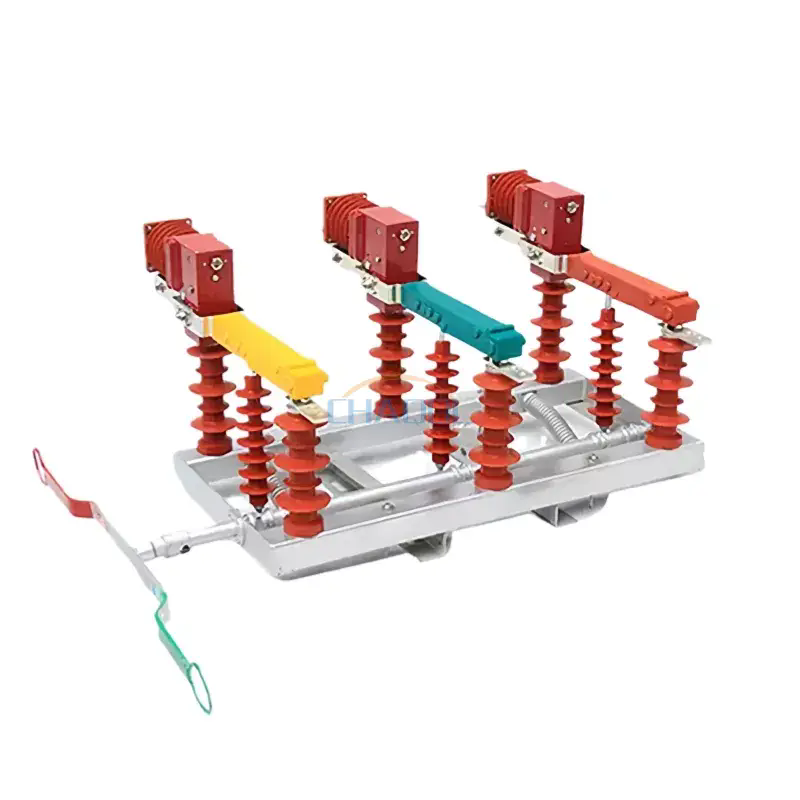
Electrical distribution systems require reliable switching devices to ensure safe operation, efficient maintenance, and uninterrupted power delivery. A Load Switch is one of the most important components used in medium-voltage and power distribution networks. It allows operators to safely connect or disconnect electrical loads while current is flowing, helping prevent equipment damage, reduce downtime, and improve overall system reliability.
Indoor high voltage disconnect switches are critical components in modern electrical systems. They ensure operational safety, facilitate maintenance, and minimize downtime. In this article, we explore how these switches work, why they are necessary, and what benefits they bring to industrial and commercial electrical applications, with insights on choosing the right solution from Anqiang.
An indoor high voltage disconnect switch is a critical component in electrical distribution systems, ensuring safety and reliability. This article explores its working principle, design features, installation considerations, maintenance practices, and common challenges. By understanding these aspects, electrical engineers and facility managers can make informed decisions to enhance operational safety and efficiency.
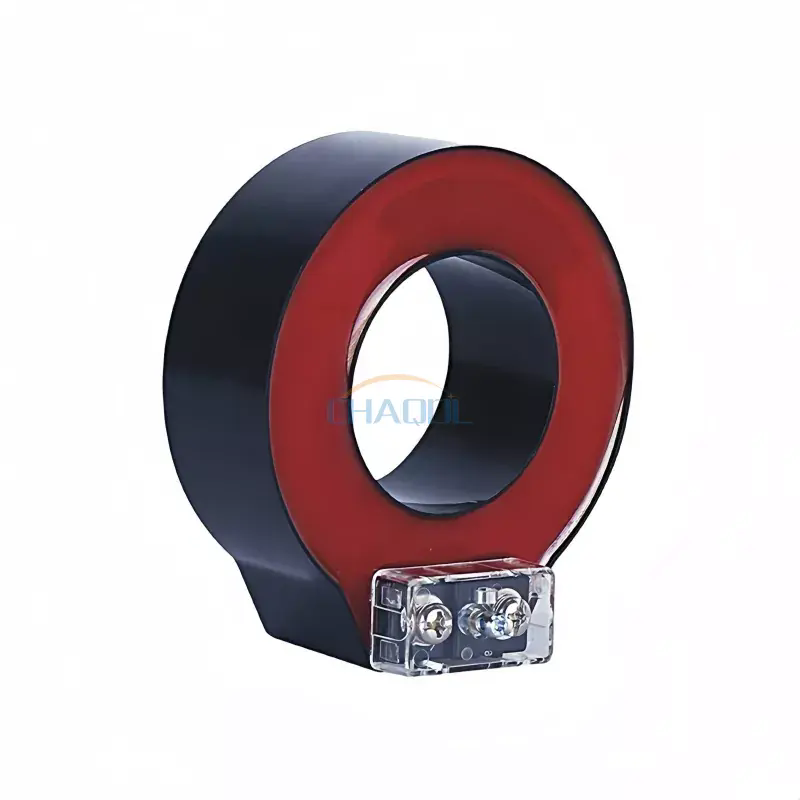
Through core current transformers are critical devices in electrical systems, enabling accurate current measurement for monitoring, protection, and control. This article explores their working principles, advantages, installation considerations, and common customer concerns, helping engineers and facility managers make informed decisions.
We use cookies to offer you a better browsing experience, analyze site traffic and personalize content. By using this site, you agree to our use of cookies.Privacy Policy