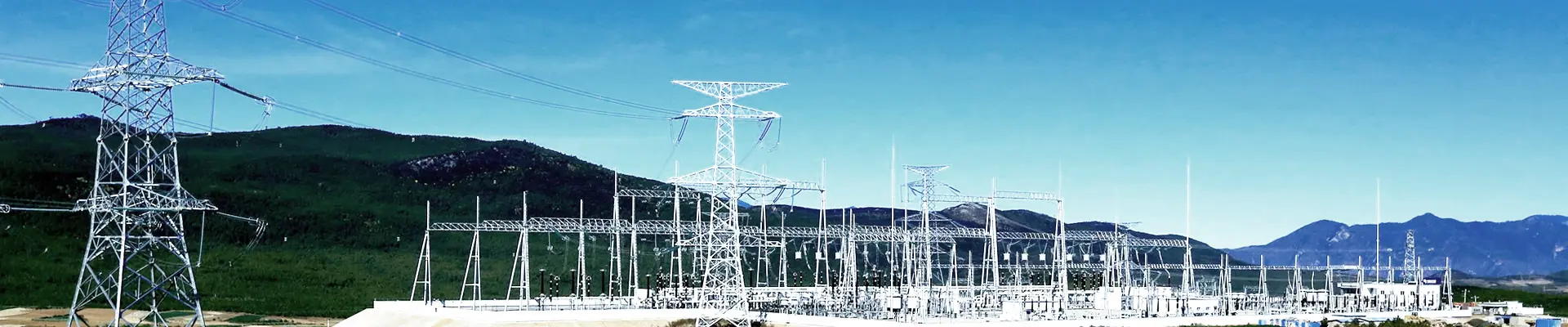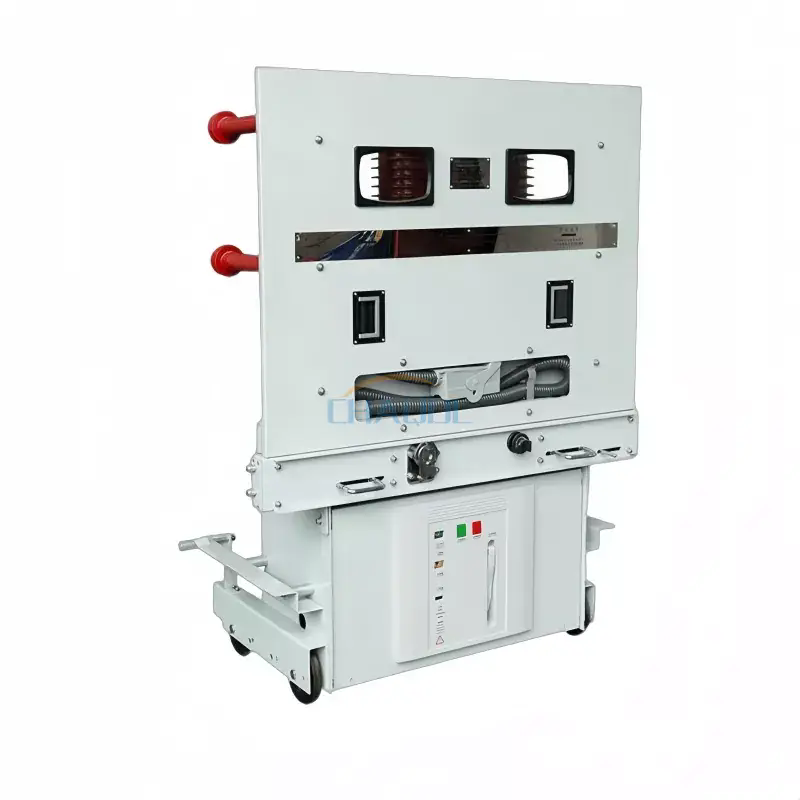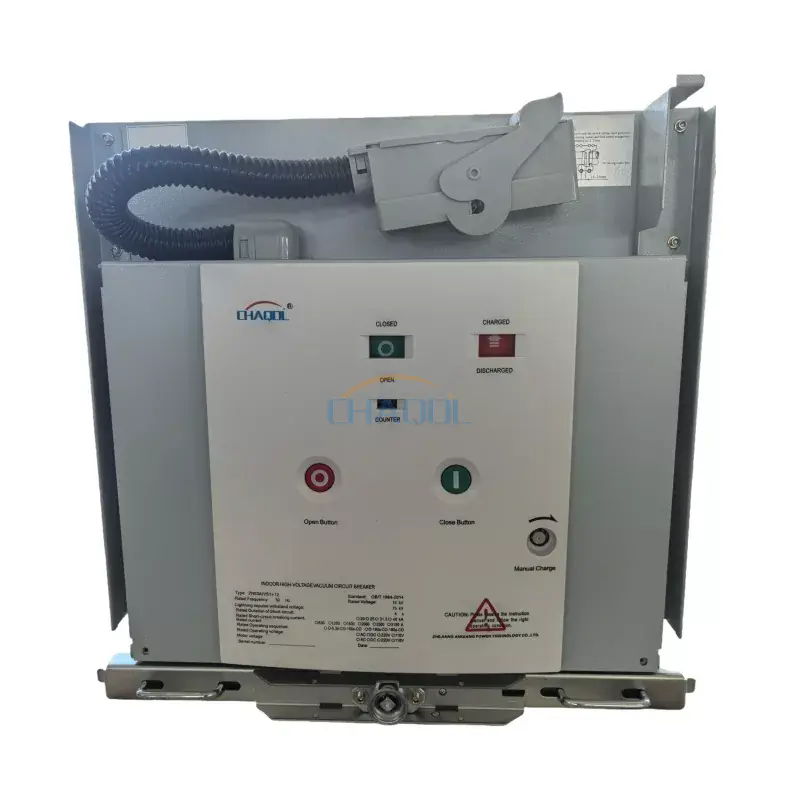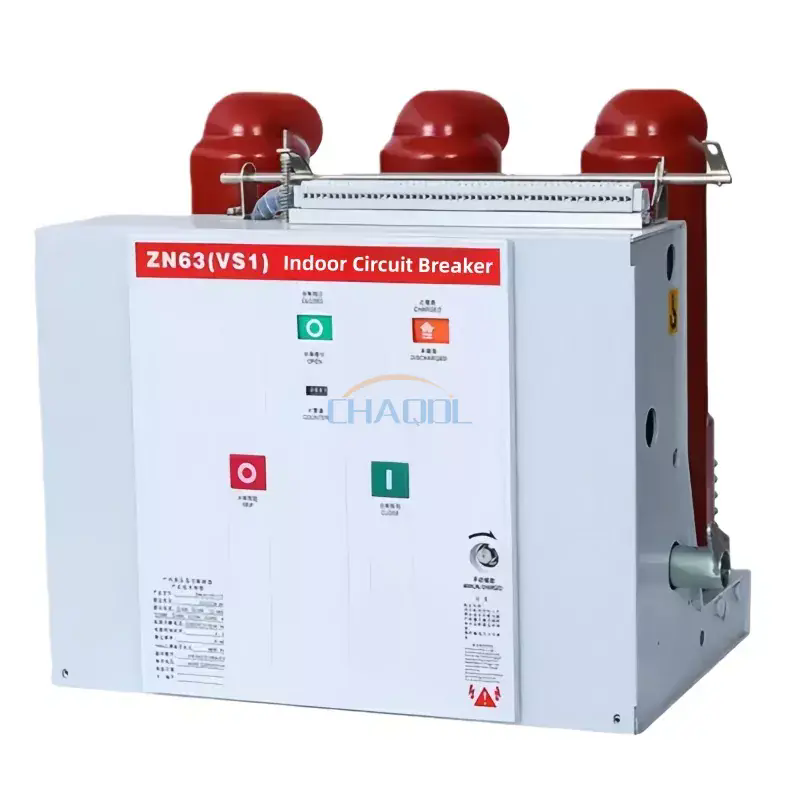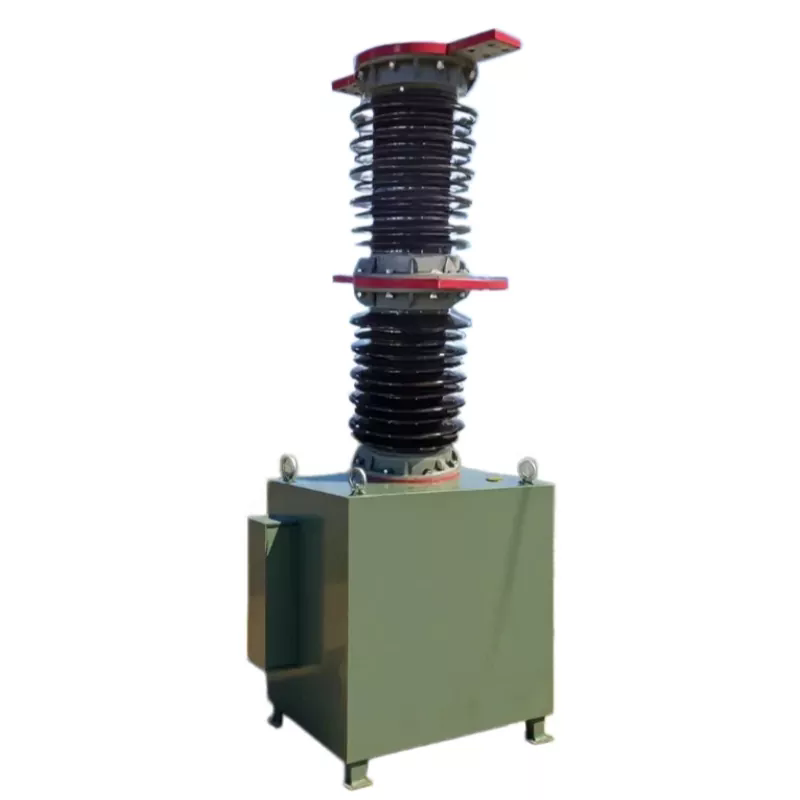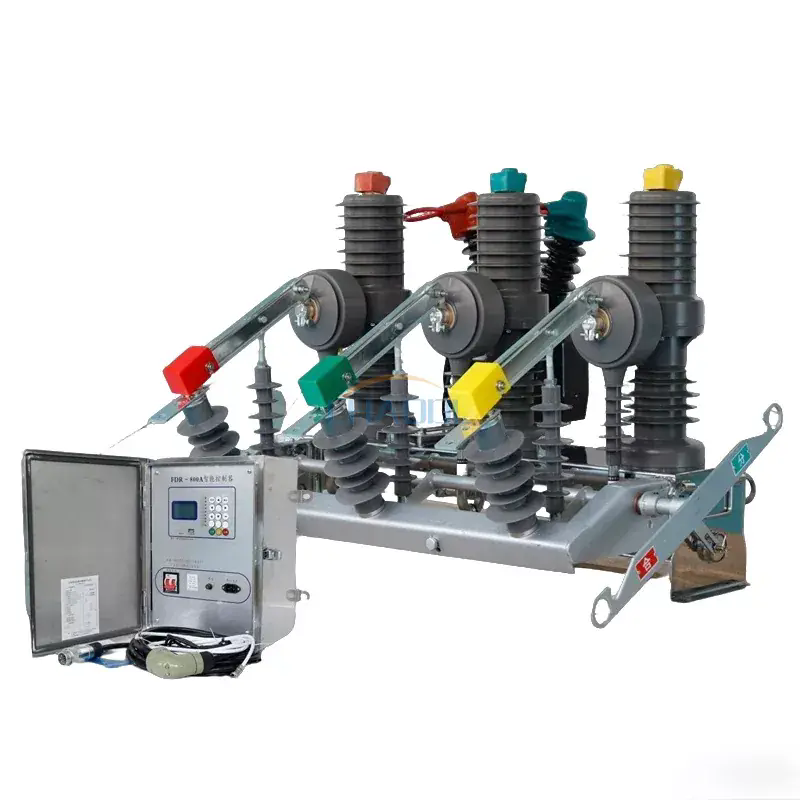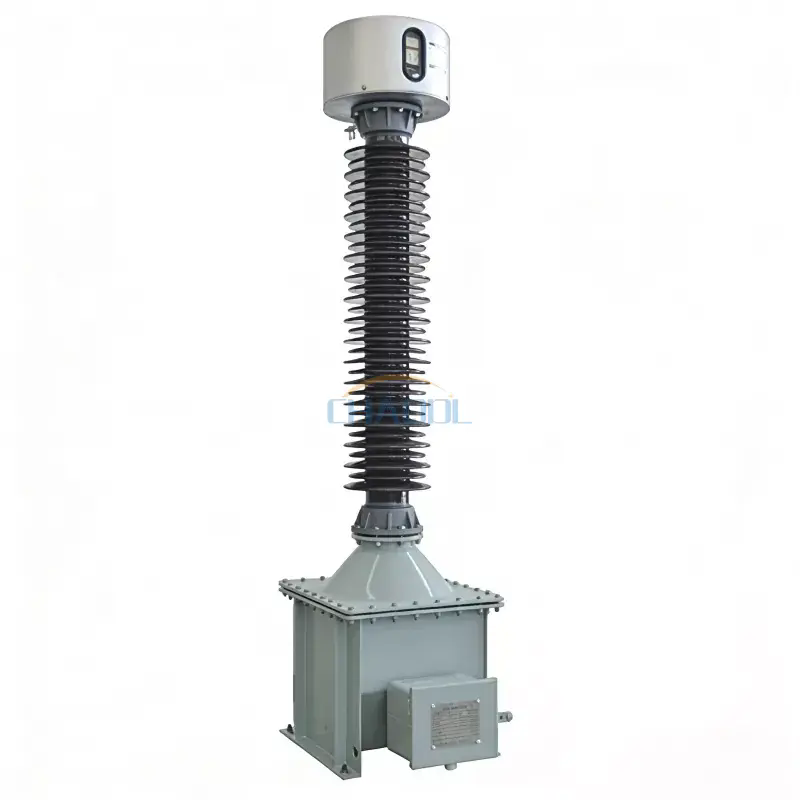
Modern power distribution systems require reliable protection equipment capable of interrupting faults instantly and maintaining operational stability. An Indoor High Voltage Circuit Breaker plays a vital role in protecting electrical networks from overloads, short circuits, and equipment failures. Installed within switchgear cabinets or substations, this device automatically disconnects faulty circuits to prevent damage, fire hazards, and system downtime.
Electrical systems power factories, buildings, renewable energy systems, and critical infrastructure. However, working with energized equipment introduces serious safety risks. A disconnect switch plays a crucial role in preventing electrical accidents by isolating circuits from power sources during maintenance or emergencies.
A high voltage circuit breaker is a core safety and control component in modern power transmission and distribution systems. It is responsible for interrupting fault currents, isolating damaged sections, and ensuring stable system operation under extreme electrical conditions. This comprehensive guide explains how high voltage circuit breakers work, the problems they solve, how to select the right model, and how proper design and maintenance reduce operational risks.
Circuit breakers and disconnectors can both interrupt circuits. Depending on the number of poles, they can operate on single-phase or three-phase circuits.
The pole-mounted switch is a type of safety switch installed on utility poles to ensure electrical safety. Its main function is to isolate the high voltage of the circuit.
In outdoor high-voltage power distribution systems, 40.5KV serves as the core voltage level in the medium-high voltage domain, undertaking critical tasks such as power transmission, equipment maintenance isolation
We use cookies to offer you a better browsing experience, analyze site traffic and personalize content. By using this site, you agree to our use of cookies.
Privacy Policy