News

How Does a Disconnect Switch Improve Electrical Safety and Equipment Protection?

2026-03-09 0 Leave me a message

Article Summary

Electrical systems power factories, buildings, renewable energy systems, and critical infrastructure. However, working with energized equipment introduces serious safety risks. A disconnect switch plays a crucial role in preventing electrical accidents by isolating circuits from power sources during maintenance or emergencies.

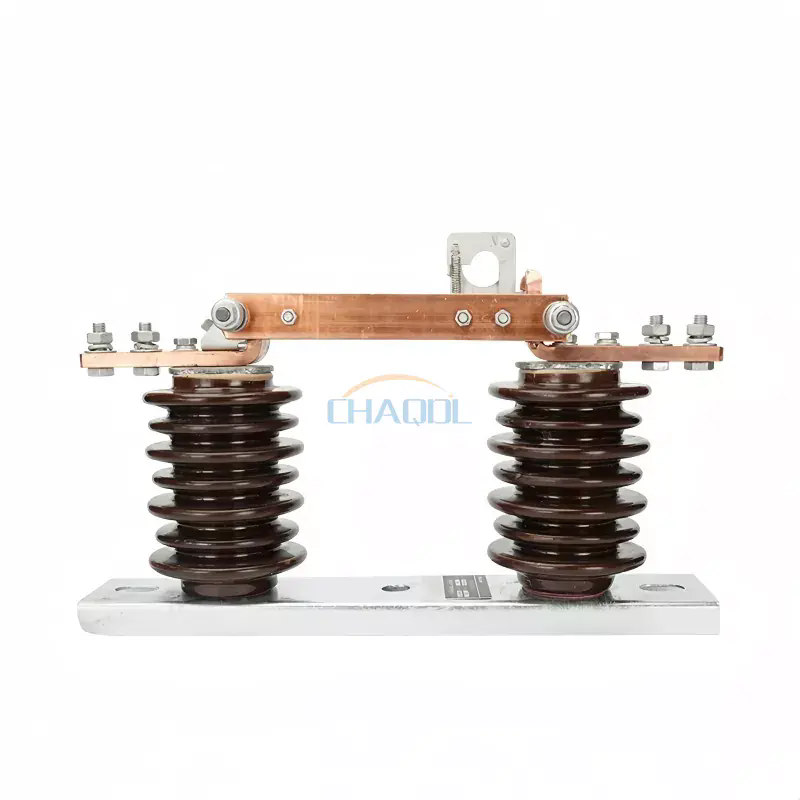
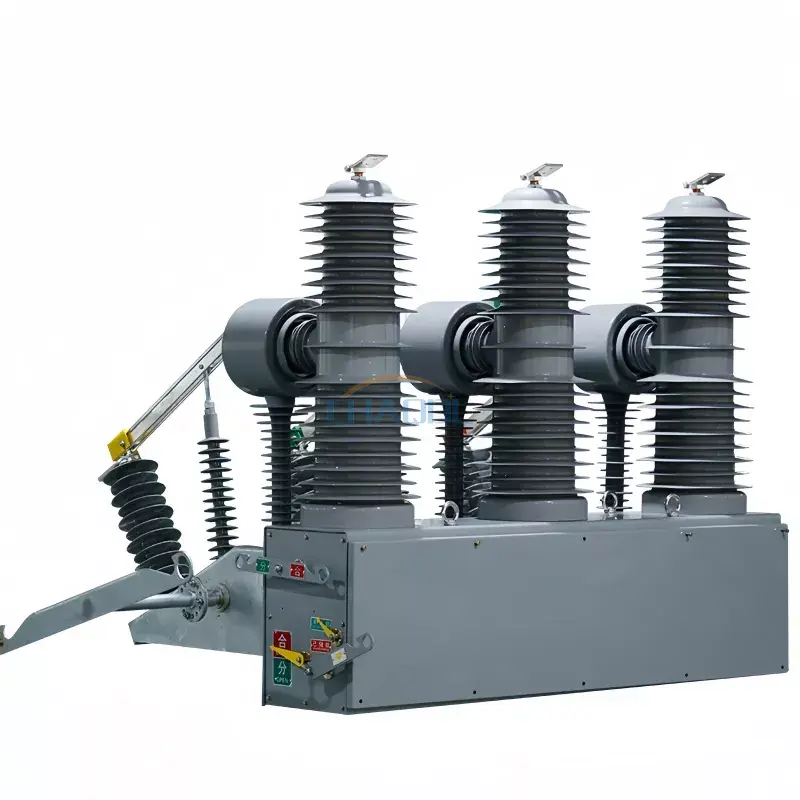
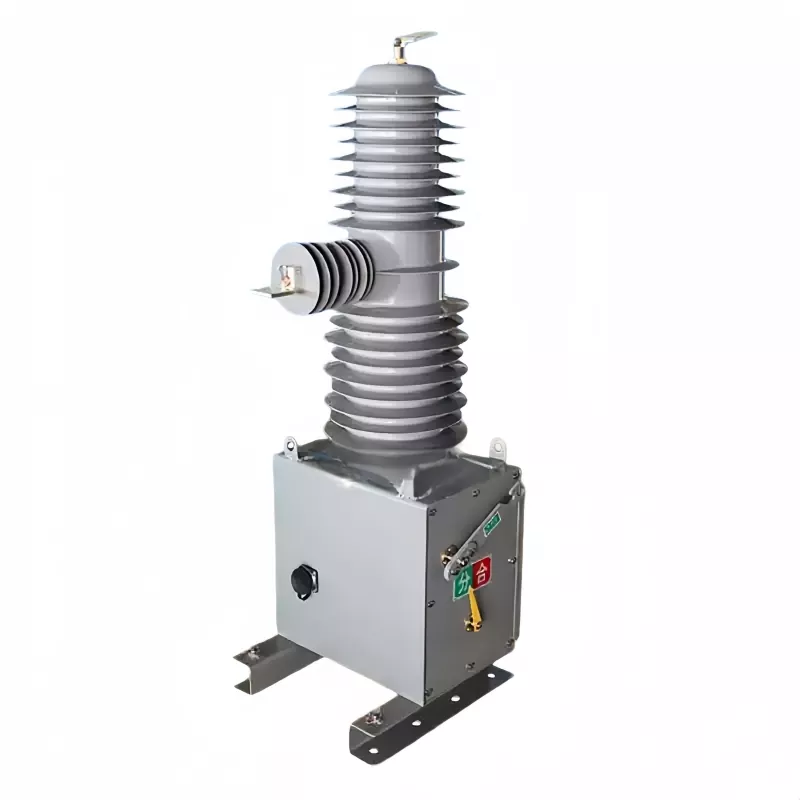
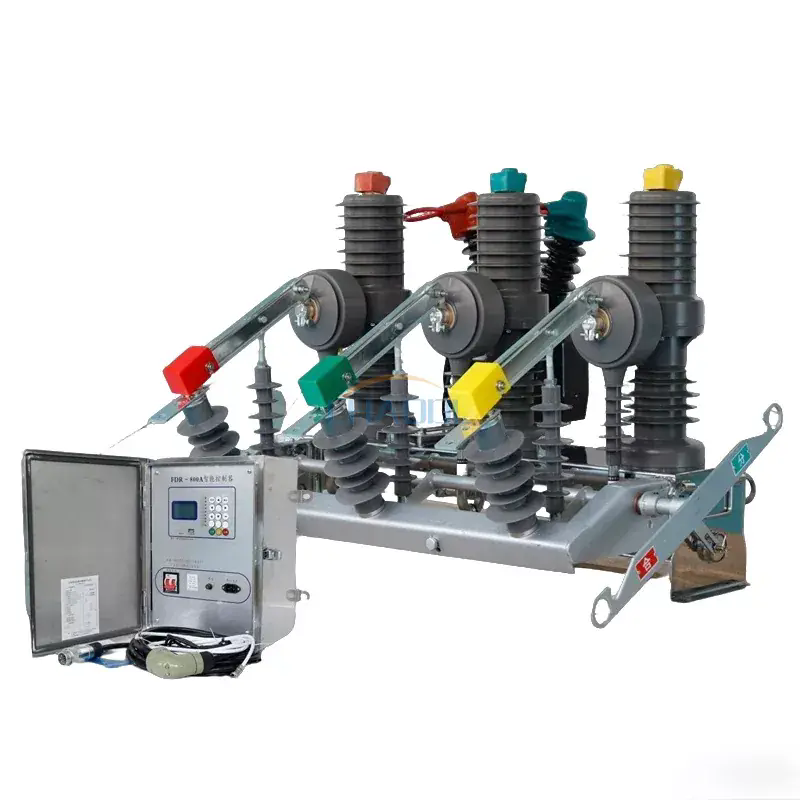
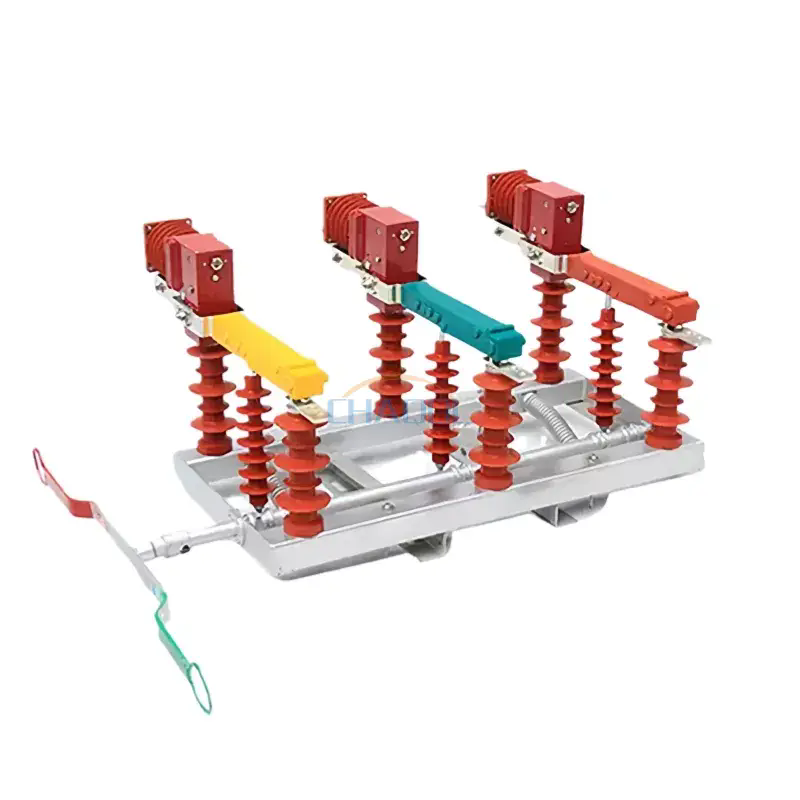
12KV Outdoor Disconnecting Switch


Table of Contents

  • Introduction to Disconnect Switches
  • How Does a Disconnect Switch Work?
  • Main Components of a Disconnect Switch
  • Types of Disconnect Switches
  • Key Technical Parameters
  • Applications Across Industries
  • How to Choose the Right Disconnect Switch
  • Common Installation and Safety Practices
  • Frequently Asked Questions
  • Conclusion

Introduction to Disconnect Switches

A disconnect switch is a mechanical switching device used to isolate electrical equipment from a power source. When activated, the switch creates a physical separation between electrical contacts, ensuring that no current flows through the circuit. This isolation allows technicians to safely perform maintenance, repairs, or inspections on electrical systems. :contentReference[oaicite:0]{index=0}

Unlike circuit breakers, which automatically interrupt power during faults, disconnect switches are typically operated manually and are primarily used for safety isolation. Their simple but reliable design makes them an essential component in industrial electrical systems, renewable energy installations, switchboards, and machinery control panels. :contentReference[oaicite:1]{index=1}

For example, many manufacturing plants install disconnect switches near large motors or control cabinets so technicians can instantly cut off power before servicing equipment. Companies such as Anqiang develop disconnect switch solutions designed to meet demanding industrial environments where reliability and safety are critical.


How Does a Disconnect Switch Work?

The working principle of a disconnect switch is straightforward but extremely effective. The device creates a visible and physical break in the electrical circuit when turned off, ensuring that electricity cannot reach downstream equipment. :contentReference[oaicite:2]{index=2}

The basic operation typically follows these steps:

  • Step 1: System Shutdown – Operators ensure the equipment is not carrying heavy load before operating the switch.
  • Step 2: Switch Activation – The external handle or lever is turned to the OFF position.
  • Step 3: Contact Separation – Internal conductive contacts physically separate, breaking the electrical path.
  • Step 4: Circuit Isolation – The equipment becomes completely isolated from the power source.
  • Step 5: Lockout Protection – Many switches include lockout mechanisms to prevent accidental reconnection.
  • Step 6: Safe Maintenance – Engineers can safely service the equipment without risk of electric shock.

This physical isolation is crucial because even if a machine appears turned off, electrical circuits may still carry voltage. A disconnect switch ensures that the system is fully de-energized before work begins. :contentReference[oaicite:3]{index=3}


Main Components of a Disconnect Switch

A standard disconnect switch contains several key components designed to ensure safe operation and durability.

Component Description
Enclosure Protects internal components from dust, moisture, and accidental contact.
Operating Handle Allows operators to manually open or close the switch without touching live parts.
Contacts or Blades Conductive parts that connect or disconnect the electrical circuit.
Terminal Lugs Connection points for incoming and outgoing power cables.
Lockout Mechanism Allows the switch to be locked in the OFF position during maintenance.
Fuse Holders (optional) Provide additional protection against overcurrent conditions.

These components work together to ensure reliable isolation and safe operation in industrial electrical systems.


Types of Disconnect Switches

Disconnect switches are available in several configurations to meet different electrical requirements.

  • Fusible Disconnect Switch – Includes fuses that protect against overcurrent or short circuits.
  • Non-Fusible Disconnect Switch – Provides isolation only without additional protection.
  • Load Break Disconnect – Designed to interrupt current safely under load conditions.
  • Motor Disconnect Switch – Installed near motors for maintenance safety.
  • DC Disconnect Switch – Used in photovoltaic systems and battery storage applications.

Selecting the correct type depends on voltage level, current rating, environmental conditions, and the nature of the equipment being protected.


Key Technical Parameters

When selecting a disconnect switch, engineers typically evaluate the following technical specifications:

Parameter Typical Range
Rated Voltage 230V – 1500V
Rated Current 16A – 1250A
Protection Level IP54 / IP65 / IP66
Operating Mechanism Manual or motor-operated
Installation Type Indoor / Outdoor
Number of Poles 2P / 3P / 4P

Manufacturers such as Anqiang design disconnect switches with robust enclosures and high current capacity to support industrial applications including power distribution systems, renewable energy installations, and heavy equipment control systems.


Applications Across Industries

Disconnect switches are widely used in multiple industries due to their simple design and critical safety function.

  • Industrial manufacturing equipment
  • Electrical distribution panels
  • Solar photovoltaic systems
  • HVAC systems
  • Power substations
  • Motor control centers
  • Backup generator systems

In many installations, safety regulations require a clearly visible disconnect switch near electrical equipment to allow operators or emergency personnel to quickly cut power when needed.


How to Choose the Right Disconnect Switch

Choosing the correct disconnect switch requires careful evaluation of system requirements. Key considerations include:

  • Voltage and Current Rating – The switch must match or exceed system capacity.
  • Environmental Protection – Outdoor installations require weather-resistant enclosures.
  • Mounting Method – Wall-mounted or panel-mounted designs.
  • Compliance Standards – Must meet regional electrical safety regulations.
  • Maintenance Accessibility – Should be easy to reach and operate.

Working with experienced manufacturers like Anqiang ensures reliable product performance and compatibility with industrial power systems.


Common Installation and Safety Practices

To maximize safety and reliability, disconnect switches should be installed according to professional electrical guidelines.

  • Install the switch in a visible and accessible location.
  • Use proper lockout/tagout procedures during maintenance.
  • Verify zero voltage before working on equipment.
  • Ensure proper grounding and wiring.
  • Perform regular inspections for corrosion or overheating.

Proper installation significantly reduces the risk of electrical accidents and improves operational safety in industrial environments.


Frequently Asked Questions

What is the main purpose of a disconnect switch?

The primary purpose is to isolate electrical equipment from its power source, allowing safe maintenance, inspection, or emergency shutdown.

Is a disconnect switch the same as a circuit breaker?

No. A circuit breaker protects circuits by automatically interrupting current during faults, while a disconnect switch mainly provides manual isolation for safety.

Where should a disconnect switch be installed?

It should be installed near the equipment it controls so technicians can quickly disconnect power before performing service work.

Can a disconnect switch break load current?

Some specialized load-break switches can interrupt current safely, but many standard disconnect switches are designed only for isolation after the circuit is de-energized.


Conclusion

Disconnect switches are a fundamental component of safe electrical infrastructure. By providing a clear and reliable method to isolate power, they protect workers, equipment, and facilities from electrical hazards. Their simple design, durability, and versatility make them essential in industries ranging from manufacturing and energy to infrastructure and building systems.

If you are searching for dependable disconnect switch solutions designed for industrial applications, Anqiang provides professional products engineered for safety, performance, and long-term reliability.

For detailed product specifications, technical consultation, or customized solutions, contact us today to learn how Anqiang disconnect switches can enhance the safety and efficiency of your electrical systems.

Related News
Leave me a message
X
We use cookies to offer you a better browsing experience, analyze site traffic and personalize content. By using this site, you agree to our use of cookies. Privacy Policy
Reject Accept