News

How Does an Indoor High Voltage Disconnect Switch Work?

2026-04-24 0 Leave me a message

Article Summary

An indoor high voltage disconnect switch is a critical component in electrical distribution systems, ensuring safety and reliability. This article explores its working principle, design features, installation considerations, maintenance practices, and common challenges. By understanding these aspects, electrical engineers and facility managers can make informed decisions to enhance operational safety and efficiency.

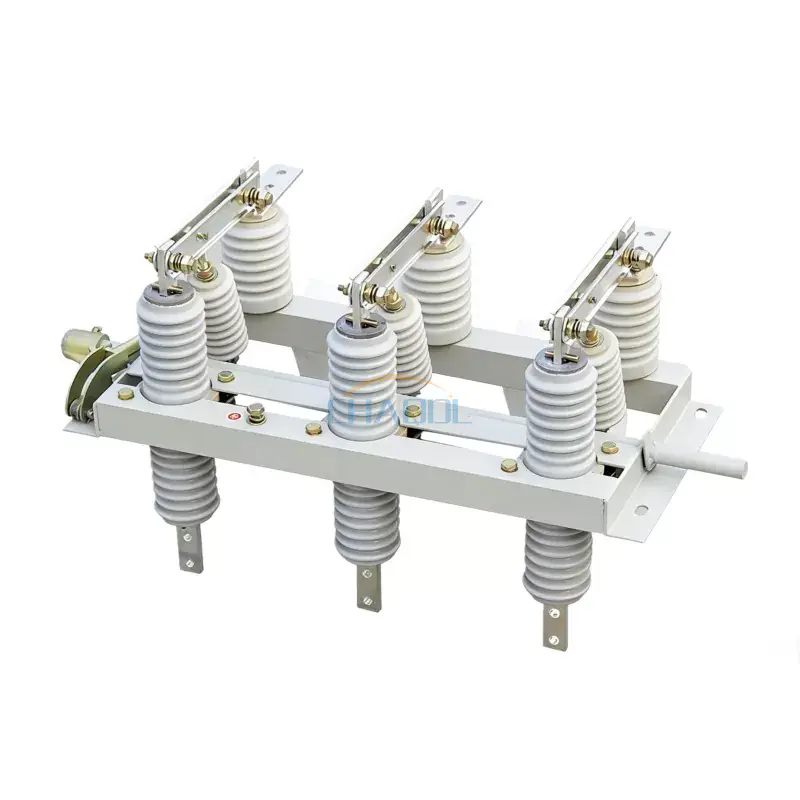
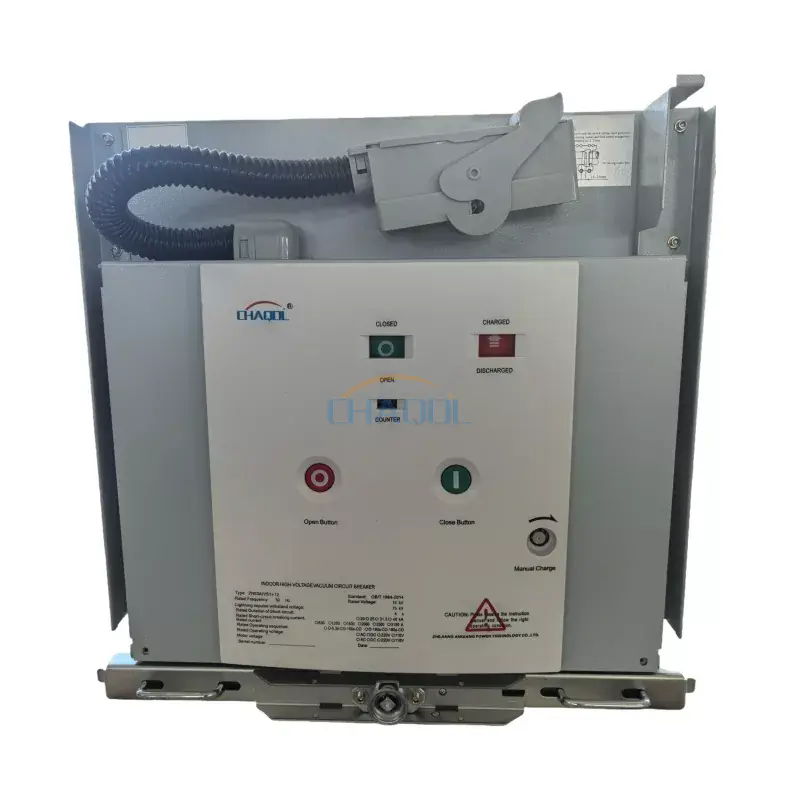
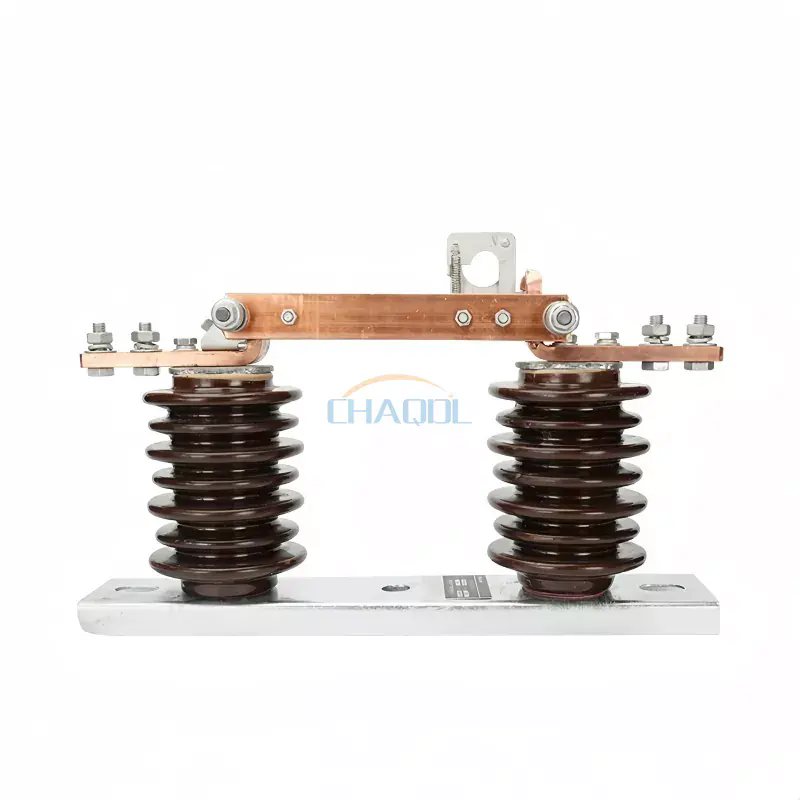
Indoor High Voltage Disconnect Switch

Table of Contents


Introduction

Indoor high voltage disconnect switches are used to isolate electrical circuits and equipment safely. They allow operators to perform maintenance, testing, or emergency shutdowns without risk of electric shock. Unlike outdoor switches, indoor variants are designed to operate in enclosed spaces, often integrated into substations, industrial plants, and commercial buildings.


Working Principle

The primary function of an indoor high voltage disconnect switch is to create a visible isolation point in the circuit. These switches operate by physically separating electrical contacts, ensuring no current flows to downstream equipment. Key principles include:

  • Manual or motorized operation: Switches can be operated manually or via an actuator mechanism.
  • Visible isolation: A clear visual gap confirms the circuit is de-energized.
  • Arc suppression: Designed to minimize arcing when contacts open under load.

In high voltage scenarios, safety is paramount. Operators must follow strict procedures to engage and disengage the switch safely, using insulated tools and protective equipment.


Design Features

Modern indoor high voltage disconnect switches incorporate advanced design features to improve reliability and reduce maintenance needs. Important features include:

Feature Purpose
Insulated Housing Protects operators from accidental contact and reduces arcing risk.
Mechanical Interlocks Prevents unsafe operations, such as closing under load.
Compact Design Fits in confined indoor spaces without sacrificing performance.
Indicator Mechanism Shows switch status clearly for safe maintenance planning.

Installation Considerations

Installing an indoor high voltage disconnect switch requires careful planning. Key considerations include:

  1. Location: Ensure the switch is accessible for operation and maintenance while staying clear of obstructions.
  2. Clearances: Maintain sufficient distances from other electrical equipment to prevent accidental contact.
  3. Mounting: Use strong, vibration-resistant structures to avoid mechanical stress on the switch.
  4. Grounding: Proper grounding is essential to minimize shock hazards.
  5. Compliance: Follow relevant national and international standards for high voltage installations.

Maintenance Tips

Routine maintenance ensures the longevity and safe operation of indoor high voltage disconnect switches. Key practices include:

  • Inspect mechanical parts for wear and lubrication needs.
  • Check insulation integrity and clean dust or debris.
  • Test operation regularly under no-load conditions.
  • Verify interlock and indicator functionality.
  • Replace worn contacts to maintain reliable isolation.

Common Issues and Solutions

Despite careful design, indoor high voltage disconnect switches can face operational challenges. Common issues include:

Issue Cause Solution
Arcing on contacts Switching under load Use load break switches or follow strict operation procedures
Mechanical sticking Lack of lubrication Regular cleaning and lubrication
Indicator failure Worn or misaligned parts Replace or realign indicator mechanism

FAQ

1. What is the difference between indoor and outdoor high voltage disconnect switches?

Indoor switches are designed for enclosed spaces with limited environmental exposure, while outdoor switches must withstand weather, dust, and temperature variations.

2. How often should maintenance be performed?

Maintenance is recommended at least once per year or more frequently in high-use or harsh environments.

3. Can these switches operate under load?

Standard disconnect switches should not operate under load; special load-break switches are designed for that purpose.

4. What safety measures are critical when operating these switches?

Always wear insulated protective gear, follow proper lockout procedures, and confirm isolation visually before maintenance.


Conclusion

Indoor high voltage disconnect switches are essential for safe electrical distribution, offering reliable isolation and maintenance convenience. Understanding their working principles, design features, and maintenance requirements helps organizations reduce downtime and improve safety. Choosing high-quality switches, such as those provided by Anqiang, ensures long-term reliability and operational efficiency. Contact us today to learn more about our indoor high voltage disconnect switch solutions.

Related News
Leave me a message
X
We use cookies to offer you a better browsing experience, analyze site traffic and personalize content. By using this site, you agree to our use of cookies. Privacy Policy
Reject Accept