News

How Can a 24kV Pole Mounted SF6 Load Break Switch Improve Medium Voltage Distribution Reliability

2026-10-20 0 Leave me a message

Reliable medium-voltage distribution depends on safe switching, effective feeder management, and dependable outdoor equipment. Anqiang Power supplies the 24kV Pole Mounted SF6 Load Break Switch, designed for overhead power distribution networks that require reliable load switching, flexible operation, and practical integration with distribution automation systems. Understanding its operating principle, technical specifications, and installation requirements helps utilities, industrial operators, and electrical contractors make informed purchasing decisions.

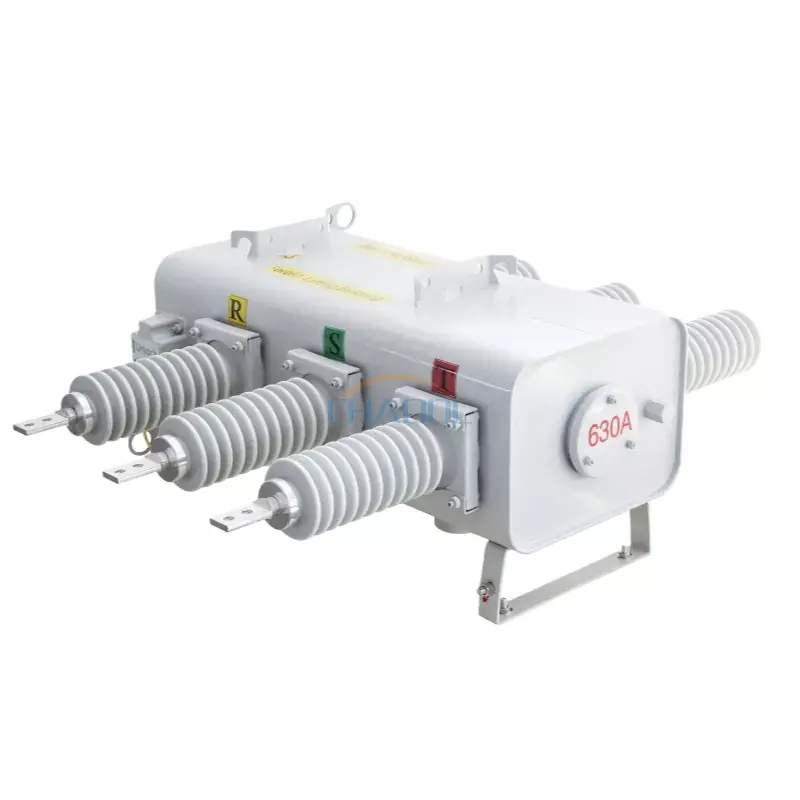
A 24kV Pole Mounted SF6 Load Break Switch is an outdoor medium-voltage switching device that uses sulfur hexafluoride (SF6) gas for insulation and arc extinction. Installed on a utility pole, it helps operators control load current, divide overhead feeders into manageable sections, and support planned switching operations. The Anqiang Power FLW34-24 series is listed with a 630A rated current, voltage options of 11kV, 24kV, and 33kV, and manual, electric, and remote operating options. This guide explains its working principle, main technical parameters, applications, selection criteria, and maintenance considerations for distribution network projects.

24kV Pole Mounted SF6 Load Break Switch

Table of Contents

  1. What Is a 24kV Pole Mounted SF6 Load Break Switch?
  2. How Does the Switching Mechanism Work?
  3. What Are the Main Technical Specifications?
  4. What Benefits Does SF6 Technology Offer?
  5. Where Is This Switch Commonly Used?
  6. How Should Buyers Select the Right Model?
  7. What Should Be Considered During Installation and Maintenance?
  8. Frequently Asked Questions
  9. Conclusion and Supplier Consultation

1. What Is a 24kV Pole Mounted SF6 Load Break Switch?

A 24kV Pole Mounted SF6 Load Break Switch is an outdoor switching device used in medium-voltage overhead distribution networks. Its primary purpose is to make and interrupt specified load currents under its rated operating conditions. By enabling controlled switching at selected points along a feeder, it helps utilities manage power distribution and isolate sections for operational purposes.

The term describes three important characteristics:

  • 24kV: The intended voltage class for the relevant distribution network configuration.
  • Pole mounted: The equipment is installed on a suitable utility pole rather than occupying a conventional indoor switchgear compartment.
  • SF6 load break switch: The device uses SF6 gas as an insulating and arc-quenching medium within its switching assembly.

The Anqiang Power FLW34-24 product is listed for 11kV, 24kV, and 33kV rated-voltage options, with a rated current of 630A. The appropriate configuration must be selected according to the network's electrical requirements and the manufacturer's confirmed product ratings.

Unlike a simple disconnector, a load break switch is designed to interrupt specified load current. However, it should not automatically be treated as a circuit breaker capable of interrupting every short-circuit current. The required fault protection must be provided by a coordinated protection system and suitable equipment.


2. How Does the Switching Mechanism Work?

The operating principle combines mechanical contact movement with the electrical insulation and arc-extinguishing properties of SF6 gas. When the contacts separate while carrying current, an electrical arc may form between them. The switching chamber is designed to control and extinguish this arc under the device's specified operating conditions.

Step 1: Normal power transmission

When the switch is closed, its conductive contacts provide the intended current path. Electricity flows through the overhead distribution circuit to downstream transformers, industrial facilities, commercial buildings, or other connected loads.

Step 2: Controlled load switching

When an authorized switching operation is required, the operating mechanism moves the contacts. The SF6-based interruption system helps extinguish the arc generated during contact separation, provided the current and switching conditions remain within the equipment's rated capability.

Step 3: Feeder sectionalizing

Operators can use strategically located switches to divide a distribution feeder into sections. This arrangement supports planned maintenance, load transfer, and the isolation of designated network sections. Actual fault isolation depends on the protection scheme, fault detection, switching sequence, and coordination with upstream and downstream devices.

Step 4: Local or remote operation

Depending on the selected configuration, the switch can support manual, electric, or remote operation. When compatible controllers and communication interfaces are included, it can also form part of a distribution automation system.

For additional equipment options, buyers can explore Anqiang Power's medium-voltage load switch product range and compare different switching arrangements before finalizing a project specification.


3. What Are the Main Technical Specifications?

Technical parameters determine whether a switch is suitable for a particular network. The following table summarizes key specifications published for the Anqiang Power FLW34-24/630-20 product. Values should be verified against the current datasheet and approved configuration before procurement.

Parameter Published Specification Selection Consideration
Product model FLW34-24 / FLW34-24/630-20 Confirm the exact model designation on the quotation and datasheet.
Rated voltage options 11kV, 24kV, 33kV Match the selected version to the network voltage and insulation requirements.
Rated current 630A Check continuous load current and expected operating conditions.
Rated frequency 50/60Hz stated on the product page Confirm the applicable frequency for the ordered configuration.
Peak withstand current 50kA Verify the test basis, duration, and coordination with system fault levels.
Rated short-time withstand current 20/4kA/s as listed Request clarification of the notation and its applicable duration.
Rated cable charging and breaking current 25A Confirm suitability for the specific cable switching duty.
Rated line charging and breaking current 16A Verify the intended overhead-line switching application.
Mechanical operation 6,000 operations listed Check the test conditions and maintenance schedule.
Relative gas leakage rate Not more than 1% per year, as listed Confirm the applicable standard and measurement method.
Enclosure and controller protection IP44 listed Assess exposure, cabinet placement, and additional environmental protection needs.

Important specification note: The published parameter list contains abbreviated or potentially ambiguous entries, including the frequency notation and short-time current notation. These values should not be interpreted as verified test results without confirmation from Anqiang Power. In particular, a peak withstand rating is not the same as a rated short-circuit breaking capacity.

For project documentation, also request the applicable type-test reports, insulation levels, operating mechanism details, control voltage, terminal arrangement, and installation drawings. These documents help engineers evaluate the complete switching assembly rather than relying on a single headline rating.


4. What Benefits Does SF6 Technology Offer?

When correctly designed and maintained, an SF6 load break switch offers several practical advantages for overhead distribution systems.

Compact outdoor installation

Pole-mounted construction places switching equipment directly on the distribution structure. This can reduce the need for additional ground-level space and support feeder layouts where a dedicated indoor electrical room is impractical.

Effective insulation and arc extinction

SF6 has strong dielectric properties and is widely used in high-voltage electrical equipment. Within a properly engineered switching chamber, it supports insulation and arc-quenching performance. Actual switching capability depends on the contact design, gas condition, operating mechanism, and rated duty.

Flexible operating arrangements

Manual, motorized, and remote-control options can serve different operational requirements. Remote switching may reduce the need for field visits during routine network reconfiguration, provided the control system and communication infrastructure are properly implemented.

Support for feeder automation

When integrated with compatible controllers and supervisory systems, a pole-mounted switch can contribute to automated feeder management. Engineers should confirm communication protocols, auxiliary power requirements, control logic, and interlocking arrangements before ordering.

Potential reduction in routine servicing

A sealed switching chamber can limit exposure of internal components to external contamination. Nevertheless, lower routine maintenance requirements do not mean maintenance-free operation. Mechanical linkages, control circuits, insulation components, and gas-related parameters still require inspection according to the manufacturer's instructions.

One further consideration is environmental responsibility. SF6 is a potent greenhouse gas, so equipment owners should implement leak prevention, gas recovery, and compliant end-of-life handling. Depending on local regulations and project sustainability objectives, alternative insulation technologies may also warrant evaluation.


5. Where Is This Switch Commonly Used?

A 24kV Pole Mounted SF6 Load Break Switch is suitable for outdoor distribution applications when its electrical ratings and environmental specifications match the installation.

  • Utility distribution feeders: Establish switching points along overhead lines to support network reconfiguration and maintenance planning.
  • Rural electrification: Provide controlled switching at selected locations across geographically distributed feeder networks.
  • Industrial power distribution: Manage designated overhead circuits supplying factories, processing facilities, and industrial parks.
  • Distribution substations: Support feeder sectionalizing and coordinated switching arrangements where the system design permits.
  • Distribution automation projects: Enable remote switching when paired with compatible controllers, communication equipment, and operational software.
  • Commercial and infrastructure networks: Support outdoor medium-voltage distribution for suitable campuses, facilities, and infrastructure projects.

Application suitability depends on more than nominal voltage. Short-circuit levels, switching duties, ambient temperature, altitude, pollution severity, wind loading, mounting strength, and required control functions must all be evaluated.


6. How Should Buyers Select the Right Model?

Procurement teams should evaluate the complete operating environment instead of choosing a device based on voltage and current alone. A structured review can reduce specification gaps and avoid costly changes during installation.

  1. Confirm the system voltage. Identify the nominal network voltage, highest voltage for equipment, and required insulation coordination.
  2. Assess the load profile. Check maximum continuous current, expected switching frequency, and the types of loads being switched.
  3. Review fault protection. Determine prospective fault current and confirm how upstream and downstream circuit breakers, relays, and other protective devices will clear faults.
  4. Choose the operating method. Decide whether local manual operation, electric operation, or remote control is necessary.
  5. Verify mechanical compatibility. Review pole structure, mounting dimensions, conductor clearances, terminal orientation, and installation access.
  6. Check environmental conditions. Evaluate temperature, humidity, altitude, contamination, wind exposure, and applicable outdoor installation requirements.
  7. Request complete documentation. Obtain technical drawings, confirmed ratings, wiring diagrams, inspection records, and relevant test documentation.

Buyers comparing switching equipment should also understand the distinction between a load switch and a circuit breaker. A load switch handles specified normal switching duties, while a suitably rated circuit breaker is designed to interrupt fault currents within its declared breaking capability. The system protection design determines which devices are required and how they operate together.


7. What Should Be Considered During Installation and Maintenance?

Correct installation is essential to the safe operation of outdoor medium-voltage equipment. Installation and commissioning should be performed by qualified electrical personnel under approved procedures, with the circuit isolated and all relevant safety controls in place.

Installation checklist

  • Inspect the switch, bushings, terminals, operating mechanism, and supplied accessories for transport damage.
  • Verify pole strength, mounting hardware, electrical clearances, grounding arrangements, and conductor connections against approved drawings.
  • Check control wiring, auxiliary supply, motor operation, interlocks, and remote-control functions where applicable.
  • Confirm that gas-related indicators, sealing components, and inspection points meet the manufacturer's requirements.
  • Complete the specified commissioning tests and document the results before energization.

Routine maintenance considerations

Maintenance intervals should follow the manufacturer’s instructions, applicable electrical regulations, and the actual operating environment. Inspection frequency may need to increase where equipment experiences severe weather, heavy contamination, frequent switching, or abnormal operating conditions.

  • Inspect external surfaces, bushings, terminals, mounting hardware, and visible signs of corrosion or damage.
  • Check mechanical movement and operating performance using approved procedures.
  • Inspect the control cabinet, auxiliary circuits, wiring, and communication functions.
  • Monitor gas density or pressure indicators and investigate suspected leakage according to the approved service procedure.
  • Maintain operating records, inspection reports, switching histories, and corrective-action documentation.

SF6 handling must be performed by trained personnel using appropriate equipment and procedures. Never vent gas intentionally as a routine maintenance method. Follow applicable environmental requirements for leak detection, recovery, storage, and disposal.


8. Frequently Asked Questions

Q1: What is the main function of a 24kV Pole Mounted SF6 Load Break Switch?

Its main function is to make and interrupt specified load currents in an outdoor medium-voltage distribution network. It also supports feeder sectionalizing and controlled switching operations. Fault protection must be provided by a suitably coordinated protection system.

Q2: What is the rated current of the Anqiang Power FLW34-24 model?

The published product information lists a rated current of 630A. Buyers should confirm the exact ordered configuration and its applicable technical ratings before purchase.

Q3: Can this switch be operated remotely?

Yes, remote operation is supported as a product configuration option. The required controller, auxiliary power supply, communication interfaces, and automation compatibility should be confirmed for the project.

Q4: Is a load break switch the same as a circuit breaker?

No. A load break switch is designed to interrupt specified load currents, whereas a circuit breaker is designed to interrupt fault currents within its rated breaking capability. The correct equipment arrangement depends on the network protection study and applicable standards.

Q5: What voltage options are available for this product series?

Anqiang Power lists 11kV, 24kV, and 33kV rated-voltage options. The available configuration, insulation requirements, and dimensional details should be verified with the manufacturer.

Q6: Does an SF6 load break switch require regular maintenance?

Yes. Although the sealed gas chamber can reduce exposure to external contamination, periodic inspections remain necessary. Maintenance should cover the operating mechanism, insulation components, control system, and gas condition as specified by the manufacturer.

Q7: What information should buyers provide when requesting a quotation?

Provide the system voltage, rated current, frequency, installation environment, required operating mode, control voltage, quantity, applicable standards, and project location. Single-line diagrams, mounting requirements, and any special environmental conditions can help the supplier confirm the appropriate configuration.


9. Conclusion: Choosing a Suitable Pole-Mounted Switching Solution

A 24kV Pole Mounted SF6 Load Break Switch can play an important role in modern medium-voltage distribution by enabling controlled load switching, supporting feeder sectionalizing, and providing options for local or remote operation. Its effectiveness depends on correct electrical selection, coordinated fault protection, suitable installation, and responsible long-term maintenance.

Anqiang Power offers the FLW34-24 series for distribution projects requiring pole-mounted switching equipment, with published 630A rated-current specifications and multiple voltage options. Before placing an order, confirm the technical datasheet, operating configuration, environmental suitability, and relevant test documentation. If you are planning a utility upgrade, an industrial distribution project, or a distribution automation installation, review the product details and contact us to discuss your voltage requirements, technical specifications, and customization needs with the Anqiang Power team.

Related News
Leave me a message
X
We use cookies to offer you a better browsing experience, analyze site traffic and personalize content. By using this site, you agree to our use of cookies. Privacy Policy
RejectAccept