News

How Can a 12KV Outdoor Disconnecting Switch Improve Power Distribution Safety and Maintenance Efficiency

2026-10-13 0 Leave me a message

As a professional electrical equipment supplier, Anqiang Power provides the 12KV Outdoor Disconnecting Switch for medium-voltage distribution networks that require dependable electrical isolation, safe maintenance access, and reliable outdoor operation. Understanding its working principle, technical specifications, and application requirements helps engineers and procurement teams select the right equipment for their power projects.

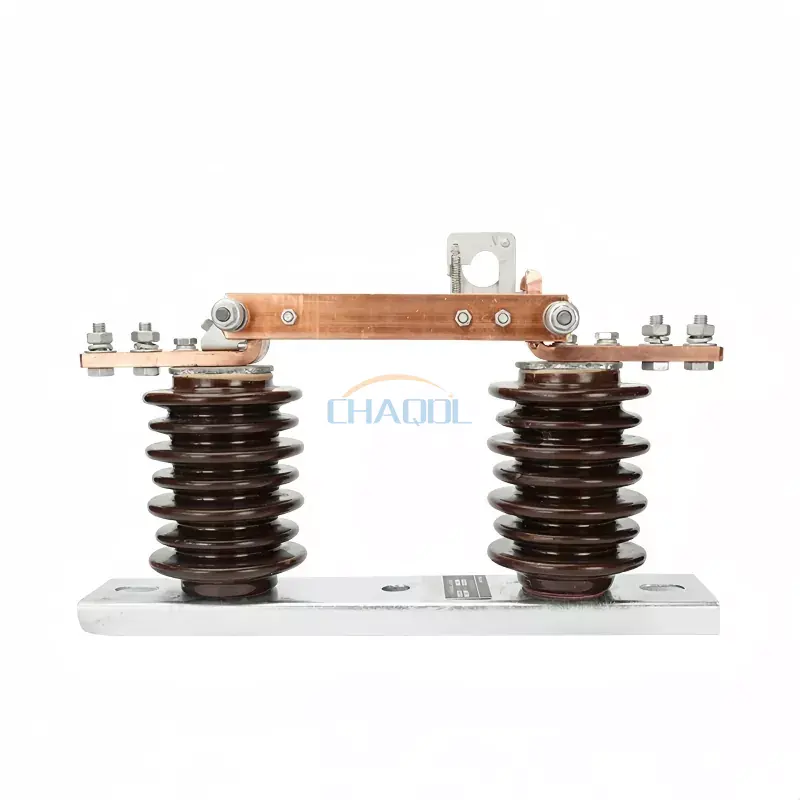
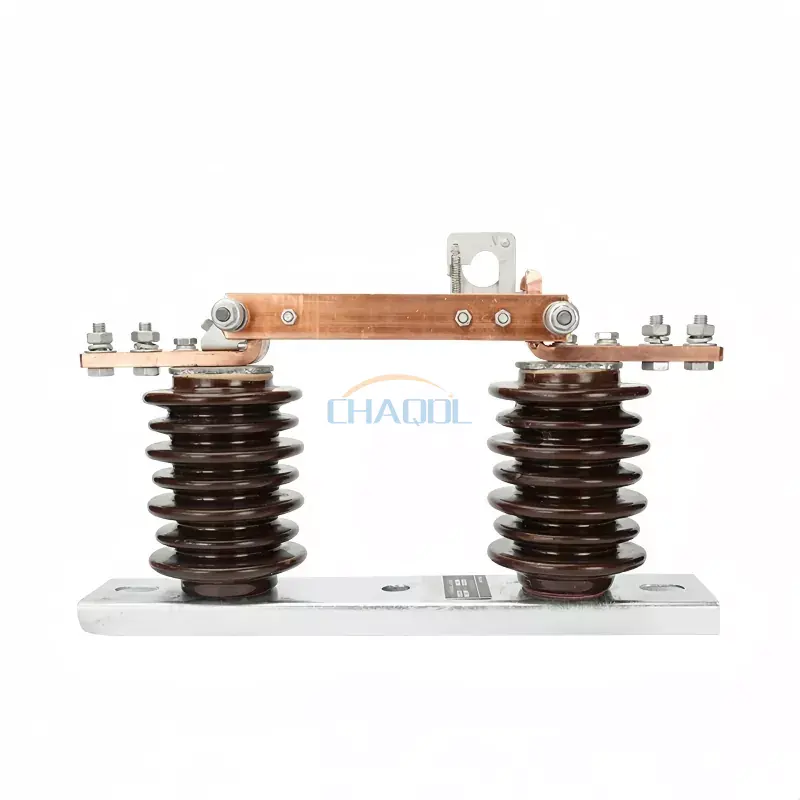
A 12KV Outdoor Disconnecting Switch is an essential component in medium-voltage power distribution systems. Designed primarily to isolate electrical circuits under no-load conditions, it provides a visible separation point that helps maintenance personnel identify an isolated section of a network. The GW9-12 model offered by Anqiang Power features a single-pole structure, a conductive blade mechanism, and a self-locking design for practical outdoor applications. This article explains how the switch works, where it is used, which technical parameters matter during procurement, and how correct installation and maintenance support long-term operational reliability.

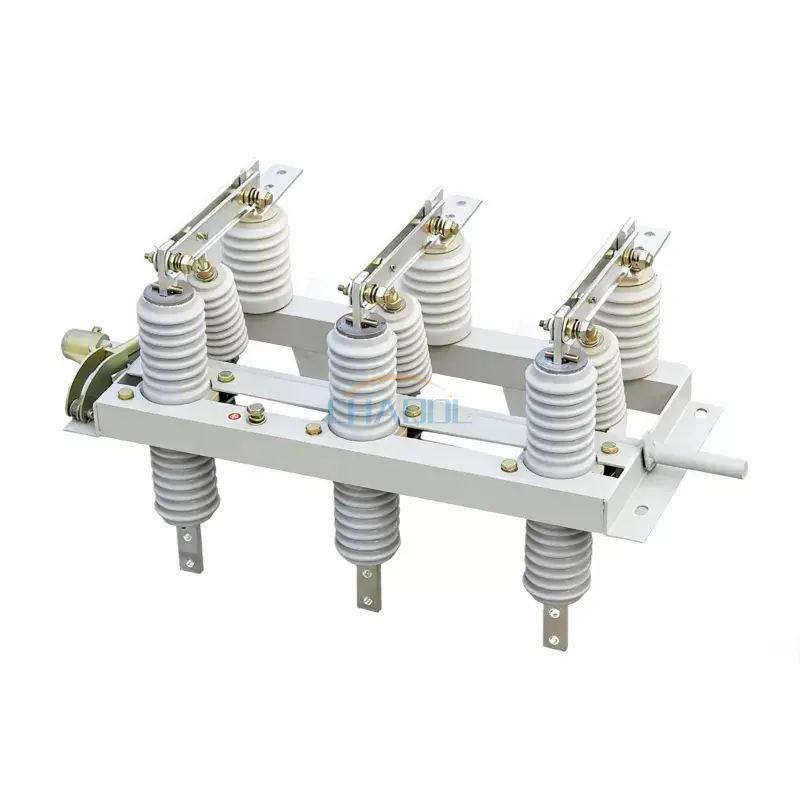
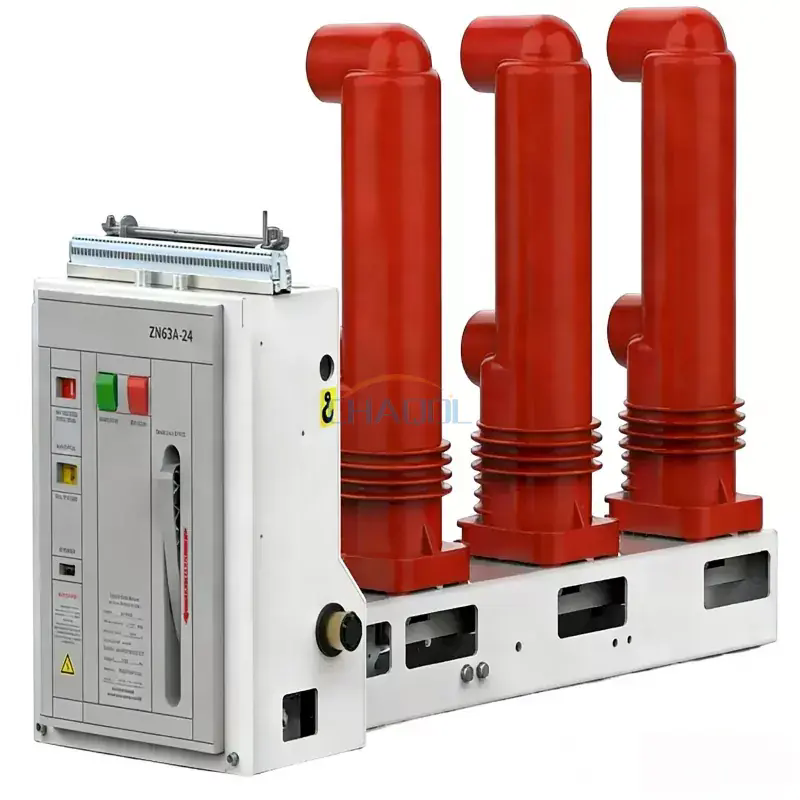
12KV Outdoor Disconnecting Switch

Table of Contents

  1. What Is a 12KV Outdoor Disconnecting Switch?
  2. How Does the Switch Work?
  3. Key Features and Engineering Advantages
  4. Typical Applications in Power Distribution
  5. Technical Parameters to Evaluate
  6. How to Select the Right Disconnecting Switch
  7. Installation and Maintenance Considerations
  8. Frequently Asked Questions
  9. Conclusion

What Is a 12KV Outdoor Disconnecting Switch?

A 12KV Outdoor Disconnecting Switch is a high-voltage isolation device used in outdoor electrical networks. Its primary purpose is to establish an isolation gap when a circuit section must be inspected, repaired, or maintained. The device is commonly installed in distribution systems, substations, and other medium-voltage electrical installations.

Anqiang Power's GW9-12 model is designed for single-phase operation in three-phase line systems. Its operating mechanism allows authorized personnel to open or close the switch using an appropriate insulated operating hook, subject to the manufacturer's operating instructions and applicable electrical safety procedures.

Unlike a circuit breaker, a conventional disconnecting switch is not designed to interrupt normal load current or short-circuit current. It must therefore be coordinated with suitable circuit breakers and other protective equipment. This distinction is critical when designing a safe switching sequence or specifying equipment for a new power distribution project.

For a broader understanding of equipment options, buyers can also review Anqiang Power's high-voltage disconnect switch range.


How Does the Switch Work?

The operating principle of an outdoor disconnecting switch is based on the physical movement of conductive contacts. When the switch is closed, its conductive blade establishes the intended electrical connection. When the switch is opened under permitted no-load conditions, the blade separates from the fixed contact, creating a visible isolation gap.

The GW9-12 design incorporates a fixed operating hook and a self-locking mechanism. These features help the operator control the switching action and reduce the likelihood of unintended movement when the equipment is correctly installed and maintained.

Basic Operating Sequence

  1. Confirm the operating conditions: Authorized personnel verify the approved switching procedure, circuit status, and applicable safety controls.
  2. Interrupt the load current: The associated circuit breaker or other correctly rated switching device must interrupt the current before the disconnecting switch is operated.
  3. Open the disconnecting switch: The operator uses the designated operating mechanism to separate the contacts according to the manufacturer's instructions.
  4. Verify isolation: The isolation state must be confirmed through the prescribed procedures. Appropriate testing, grounding, and lockout measures are applied as required.
  5. Restore service correctly: After maintenance is complete and all safety conditions are satisfied, the approved switching sequence is followed to return the circuit to service.

Actual switching operations must follow the approved system operating instructions. A visible contact gap alone does not replace voltage verification, grounding where required, or other mandatory electrical safety measures.


Key Features and Engineering Advantages

Outdoor electrical equipment must combine reliable electrical isolation with mechanical stability and environmental resistance. Several design considerations are particularly important when evaluating a 12KV outdoor disconnecting switch.

1. Single-Pole Configuration

The GW9-12 uses a single-pole configuration that supports individual phase installation in three-phase distribution systems. This arrangement can be suitable for distribution network layouts where the installation design calls for separate phase-mounted isolation devices.

2. Visible Isolation

The open contact arrangement provides a visible indication of the separation between conductive components. This helps personnel identify the isolated position during authorized maintenance procedures, although formal verification and safety controls remain necessary.

3. Self-Locking Mechanism

A self-locking mechanism helps maintain the intended mechanical position and reduces the risk of accidental operation. Its effectiveness depends on correct adjustment, installation, and routine inspection.

4. Outdoor Insulation Design

Insulating components must withstand the electrical stresses associated with the system's rated voltage and the environmental conditions at the installation site. Pollution, moisture, temperature changes, and lightning-related overvoltage considerations should all be included in equipment selection.

5. Practical Operating Method

An insulated operating hook can provide a straightforward operating method for suitable installations. The actual operating arrangement, required clearances, and permitted procedures must be confirmed against the equipment documentation and the applicable electrical safety standards.

  • Supports electrical isolation during planned maintenance.
  • Provides a clearly identifiable open-contact position.
  • Uses a mechanical operating arrangement designed for controlled switching.
  • Can be integrated into suitable medium-voltage distribution installations.
  • Requires coordination with circuit breakers and the wider protection system.

Typical Applications in Power Distribution

A 12KV outdoor disconnecting switch is used wherever an appropriately rated medium-voltage circuit requires an isolation point. Its suitability depends on the electrical system design, installation environment, operating procedures, and applicable utility requirements.

Distribution Lines

On overhead distribution networks, disconnecting switches can isolate selected line sections for inspection, maintenance, or planned equipment replacement. Correct placement can help maintenance teams work on designated sections without unnecessarily affecting the entire network.

Substations

Substations use disconnecting switches to establish isolation points around selected circuits and equipment. Engineers must coordinate the device with circuit breakers, busbars, transformers, grounding switches where applicable, and the substation's operating sequence.

Industrial Power Systems

Factories, processing facilities, and other industrial sites may use medium-voltage distribution networks to supply transformers and downstream electrical equipment. A correctly selected disconnecting switch can support planned maintenance by providing an appropriate isolation point.

Utility Maintenance Projects

Power utilities require equipment that fits their established switching procedures and maintenance practices. Selection should account for the utility's technical specifications, environmental conditions, inspection requirements, and approved equipment standards.

For projects that need both interruption and protection functions, engineers should evaluate the appropriate circuit breaker or load switch rather than assuming a disconnecting switch can perform every switching duty.


Technical Parameters to Evaluate

Technical specifications determine whether a disconnecting switch is suitable for the intended network. The product information for Anqiang Power's GW9-12 series identifies it as a 12KV-class outdoor disconnecting switch. The detailed rating schedule should be confirmed against the manufacturer's current technical documentation before an order is placed.

Parameter What Buyers Should Verify Why It Matters
Model GW9-12 or the specified project model Confirms the intended equipment configuration.
Rated voltage Compatibility with the system voltage and equipment class Helps ensure appropriate electrical insulation and application suitability.
Rated current Continuous current rating required by the project Determines suitability for the intended normal operating conditions.
Power-frequency withstand voltage Manufacturer-declared insulation rating Indicates the specified insulation performance under power-frequency test conditions.
Lightning impulse withstand voltage Specified impulse insulation level Supports evaluation of insulation coordination and transient overvoltage requirements.
Short-time withstand current Specified current magnitude and duration Helps assess the device's ability to withstand fault-current effects while closed.
Mechanical endurance Declared number of operating cycles Provides a reference for mechanical durability under specified test conditions.
Operating mechanism Manual hook operation or another approved arrangement Determines operating requirements and compatibility with site procedures.
Environmental suitability Altitude, pollution, temperature, wind, and installation conditions Helps confirm that the equipment is appropriate for the actual site.

Important: The table above is a procurement checklist, not a substitute for a verified product rating sheet. Buyers should request the exact rated-current options, insulation levels, short-time withstand ratings, dimensions, and applicable standards for the specific configuration being quoted.


How to Select the Right Disconnecting Switch

Choosing the correct 12KV Outdoor Disconnecting Switch requires more than matching a voltage designation. Engineers and procurement teams should assess the complete electrical and mechanical requirements before finalizing a specification.

1. Confirm System Voltage and Current

Check the nominal network voltage, maximum system voltage, required continuous current, and insulation coordination requirements. These values should be consistent with the project's single-line diagram and technical specifications.

2. Evaluate Fault-Current Conditions

Determine the prospective short-circuit current and the required short-time withstand capability. A disconnecting switch may need to remain closed while fault current is cleared by protective equipment, so its withstand ratings must be suitable for the installation.

3. Review Site Conditions

Consider altitude, ambient temperature, humidity, airborne contaminants, coastal salt exposure, and mechanical loads. Outdoor installations may require specific insulation, corrosion protection, or mounting arrangements to meet site conditions.

4. Confirm Operating and Grounding Requirements

Establish whether the project requires a manually operated switch, an alternative operating arrangement, or a grounding switch as part of the assembly. Grounding requirements should be addressed in the overall system design rather than assumed to be included in every standard configuration.

5. Check Standards and Documentation

Request the product datasheet, dimensional drawings, installation instructions, routine and type-test documentation where applicable, and details of the relevant standards. Confirm that the supplied configuration meets the requirements of the local utility or project authority.

6. Assess Supplier Support

Reliable procurement also involves checking manufacturing consistency, technical communication, spare-parts availability, and after-sales support. Anqiang Power offers a range of disconnect switches and provides product selection guidance for different electrical applications. Buyers can discuss the project requirements through the disconnect switch product range.


Installation and Maintenance Considerations

Correct installation and routine inspection help preserve the operating reliability of outdoor disconnecting switches. Maintenance intervals should follow the manufacturer's instructions, site conditions, operating frequency, and the requirements of the responsible utility or facility operator.

Installation Checklist

  • Verify that the model and ratings match the approved engineering documents.
  • Inspect insulators, contacts, operating components, and mounting hardware before installation.
  • Confirm that the supporting structure is suitable for the specified mechanical loads.
  • Maintain the required electrical clearances and phase spacing.
  • Check that connections are correctly installed and tightened to the specified requirements.
  • Verify mechanical alignment, contact engagement, and the operation of the locking mechanism.
  • Complete commissioning checks and required electrical tests before energization.

Routine Maintenance Checklist

  • Inspect insulating surfaces for cracks, contamination, tracking, or other signs of deterioration.
  • Check conductive contacts for corrosion, abnormal wear, overheating, or poor contact engagement.
  • Examine operating linkages, pivot points, and locking components for damage or excessive looseness.
  • Inspect mounting bolts, terminals, and supporting structures for deterioration.
  • Record inspection results and investigate abnormal operating resistance or visible damage.

All installation and maintenance work must be performed by qualified personnel under an approved safety procedure. The circuit must be placed in a verified safe condition, with isolation, voltage testing, grounding, and lockout measures applied as required. Never operate a conventional disconnecting switch to interrupt load current unless the equipment is specifically designed and rated for that duty.


Frequently Asked Questions

1. What is the main function of a 12KV Outdoor Disconnecting Switch?

Its main function is to isolate a suitable medium-voltage circuit under no-load conditions and provide a visible contact gap. This supports maintenance and inspection when used with the appropriate switching, verification, and grounding procedures.

2. Can a 12KV disconnecting switch interrupt load current?

A conventional disconnecting switch is not designed to interrupt normal load current or short-circuit current. A correctly rated circuit breaker or other suitable switching device must perform the required interruption duty before the disconnecting switch is operated.

3. What is the GW9-12 model used for?

Anqiang Power's GW9-12 is an outdoor, single-pole high-voltage disconnecting switch intended for suitable 12KV-class distribution applications. It can be used for individual phase operation in three-phase line systems, subject to the approved installation design.

4. Which technical parameters should buyers prioritize?

Key parameters include rated voltage, rated current, power-frequency withstand voltage, lightning impulse withstand voltage, short-time withstand current, mechanical endurance, operating mechanism, and environmental suitability. The exact values must be verified in the datasheet for the selected model.

5. How often should an outdoor disconnecting switch be inspected?

Inspection frequency depends on the manufacturer's maintenance instructions, site environment, switching frequency, and utility requirements. Regular checks should cover insulation, conductive contacts, mechanical linkages, mounting hardware, and evidence of overheating or corrosion.

6. What information should be provided when requesting a quotation?

Provide the system voltage, required rated current, installation environment, insulation requirements, short-circuit withstand requirements, operating method, grounding configuration, applicable standards, and project quantity. Drawings or an equipment specification can help the supplier recommend a suitable configuration.


Conclusion

A 12KV Outdoor Disconnecting Switch is an important isolation component in medium-voltage distribution networks. Its value lies in providing a suitable isolation point for maintenance, supporting clear switching procedures, and integrating with the wider protection and grounding system. Selecting the right model requires careful review of electrical ratings, insulation performance, mechanical design, site conditions, and applicable standards. Correct installation, qualified operation, and regular inspection are equally important for dependable service.

If you are sourcing a 12KV Outdoor Disconnecting Switch for a utility, substation, or industrial distribution project, Anqiang Power can help you review your application requirements and identify a suitable product configuration. Share your technical specifications, operating conditions, and quantity requirements with our team. Contact us today to discuss product selection, request detailed technical documentation, and obtain a quotation tailored to your project.

Related News
Leave me a message
X
We use cookies to offer you a better browsing experience, analyze site traffic and personalize content. By using this site, you agree to our use of cookies. Privacy Policy
RejectAccept