Whatsapp
Indoor High Voltage Disconnect Switches play a critical role in electrical power systems by providing visible isolation points for maintenance, inspection, and operational safety. Selecting the wrong disconnect switch can lead to reliability issues, increased maintenance costs, and safety risks. This comprehensive guide explains how to choose the right Indoor High Voltage Disconnect Switch, key technical considerations, installation requirements, common customer challenges, and best practices for long-term performance.
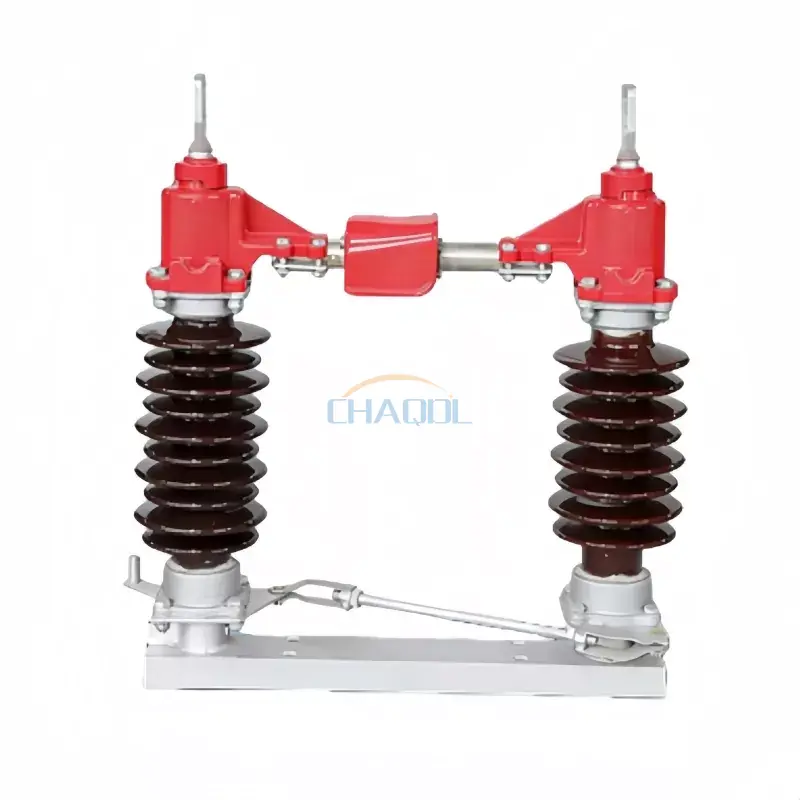
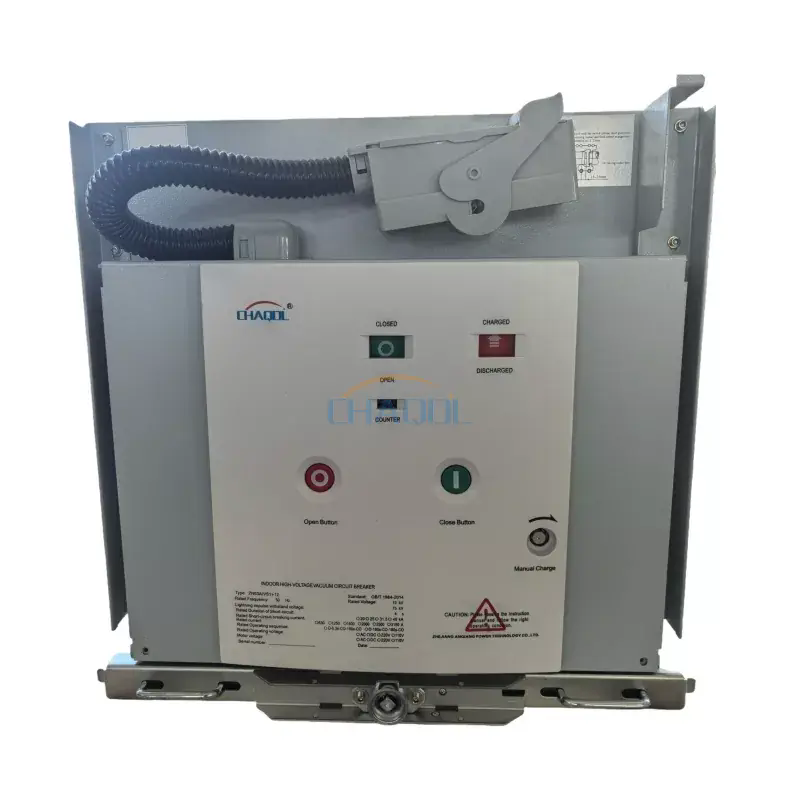
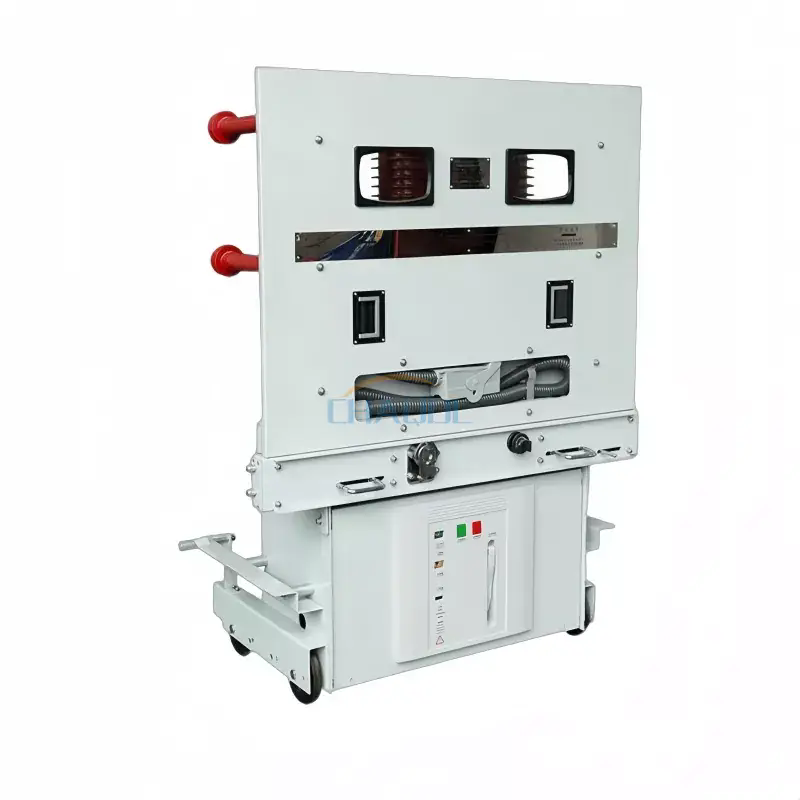
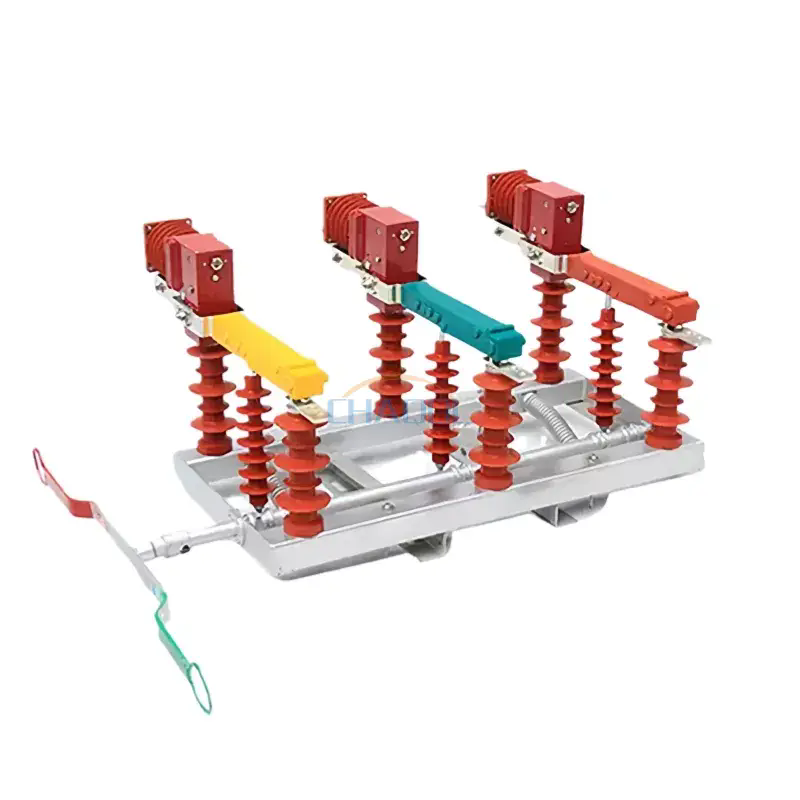
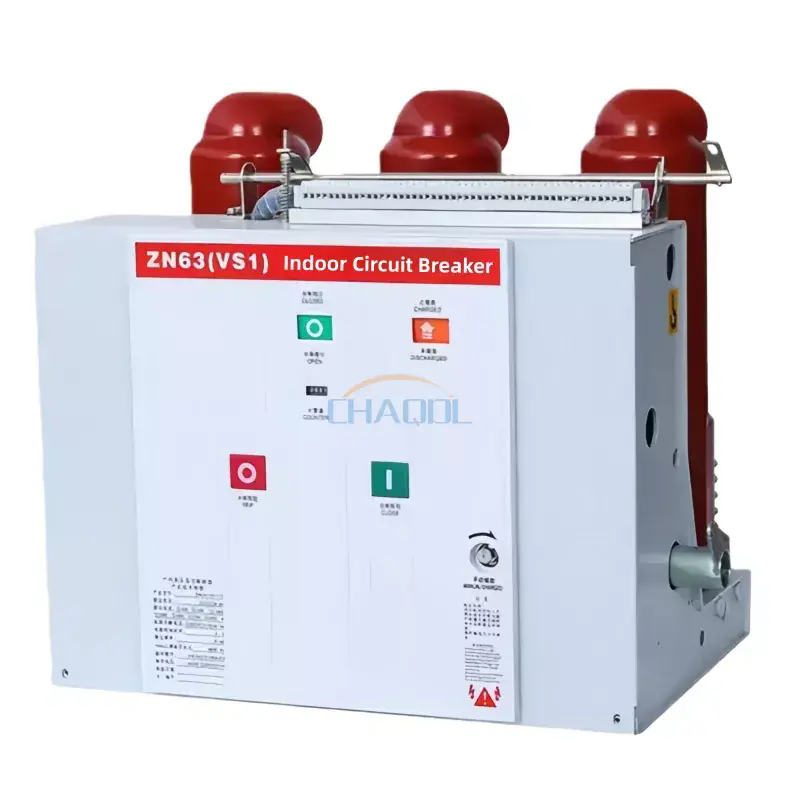
An Indoor High Voltage Disconnect Switch is a mechanical switching device designed to isolate electrical equipment from energized circuits. Unlike circuit breakers, disconnect switches are not intended to interrupt heavy fault currents. Their primary function is to provide a visible isolation gap, ensuring personnel safety during maintenance and inspection activities.
These switches are commonly installed in indoor substations, switchgear assemblies, industrial facilities, power plants, commercial buildings, and utility distribution systems where high-voltage equipment requires reliable isolation.
Safety remains the primary reason for installing an Indoor High Voltage Disconnect Switch. Maintenance personnel need absolute confidence that equipment has been disconnected from the power source before beginning work.
Additional benefits include:
Without proper isolation devices, power systems become more difficult to maintain and may expose workers to hazardous conditions.
Buyers often face several challenges when selecting an Indoor High Voltage Disconnect Switch:
Understanding these challenges helps decision-makers choose equipment that meets both current and future operational requirements.
Selecting the appropriate Indoor High Voltage Disconnect Switch involves evaluating several technical and operational factors.
The rated voltage of the disconnect switch must match or exceed the system operating voltage. Common voltage classes include 12kV, 24kV, 36kV, and higher depending on the application.
Current ratings indicate the maximum continuous current the switch can safely carry without overheating. Choosing an undersized switch may result in premature failure.
Although disconnect switches are not designed to interrupt fault currents, they must withstand fault conditions for a specified duration until protection devices operate.
Indoor environments can vary significantly. Factors such as humidity, dust levels, temperature fluctuations, and ventilation should be carefully assessed.
Frequent switching operations require robust mechanical construction. Higher endurance ratings generally translate into longer service life and lower maintenance costs.
Selecting products manufactured according to recognized international and regional standards helps ensure consistent quality and operational reliability.
| Parameter | Importance | Selection Guidance |
|---|---|---|
| Rated Voltage | System compatibility | Match system voltage level |
| Rated Current | Continuous operation | Select above operating current |
| Short-Time Withstand Current | Fault tolerance | Verify fault level requirements |
| Mechanical Life | Durability | Choose high-cycle models |
| Insulation Level | Electrical safety | Meet installation conditions |
| Customer Requirement | Recommended Focus |
|---|---|
| Maximum reliability | High mechanical endurance and premium contacts |
| Limited installation space | Compact switch design |
| Low maintenance costs | Corrosion-resistant materials |
| Industrial environments | Enhanced insulation and protection features |
Proper installation significantly affects operational performance and equipment lifespan. Installers should follow manufacturer guidelines regarding mounting orientation, clearance distances, grounding requirements, and torque specifications.
Routine maintenance should include:
Preventive maintenance programs help reduce unexpected outages and extend service life.
Avoiding these mistakes can significantly improve both safety and return on investment.
These applications rely on dependable isolation equipment to maintain operational continuity and personnel safety.
No. Disconnect switches are primarily designed for isolation purposes. Circuit breakers are used to interrupt fault currents.
Maintenance intervals depend on operating conditions, switching frequency, and environmental factors. Annual inspections are commonly recommended.
A disconnect switch provides visible isolation, while a circuit breaker can safely interrupt load and fault currents.
Visible isolation allows maintenance personnel to confirm that equipment has been physically disconnected from energized sources.
The rated voltage should be equal to or greater than the operating voltage of the electrical system.
Choosing the right Indoor High Voltage Disconnect Switch requires careful consideration of voltage rating, current capacity, fault withstand performance, environmental conditions, and maintenance requirements. A well-selected disconnect switch improves electrical safety, supports reliable operation, reduces downtime, and helps protect valuable power system assets.
As a professional power equipment manufacturer, Anqiang Power provides dependable Indoor High Voltage Disconnect Switch solutions designed for modern power distribution systems. Our experienced team can help you identify the most suitable configuration for your project requirements, ensuring safety, reliability, and long-term performance.
Looking for a reliable Indoor High Voltage Disconnect Switch supplier?
Contact Anqiang Power today to discuss your project requirements, receive expert technical guidance, and obtain a competitive quotation. Contact us now and let our specialists help you find the ideal solution for your power distribution system.
-