News

How Does a Load Switch Improve Electrical System Safety and Efficiency?

2026-06-01 0 Leave me a message

Electrical distribution systems require reliable switching devices to ensure safe operation, efficient maintenance, and uninterrupted power delivery. A Load Switch is one of the most important components used in medium-voltage and power distribution networks. It allows operators to safely connect or disconnect electrical loads while current is flowing, helping prevent equipment damage, reduce downtime, and improve overall system reliability.

In this article, we will explain how a Load Switch works, its key functions, major advantages, common applications, selection criteria, and maintenance recommendations. Whether you are an engineer, facility manager, utility operator, or industrial buyer, understanding Load Switch technology can help you make informed decisions for your electrical infrastructure.

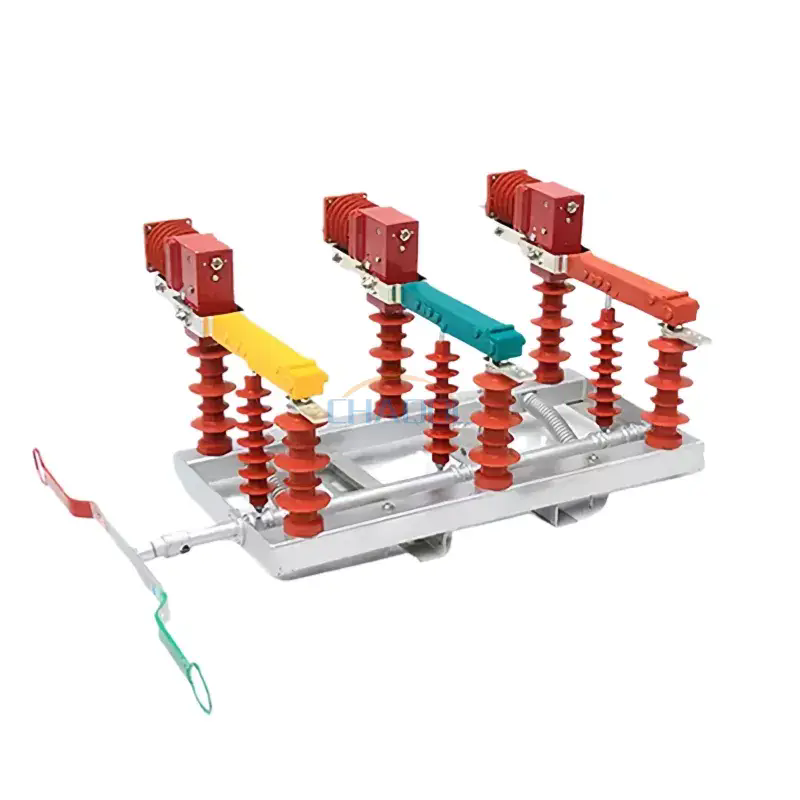
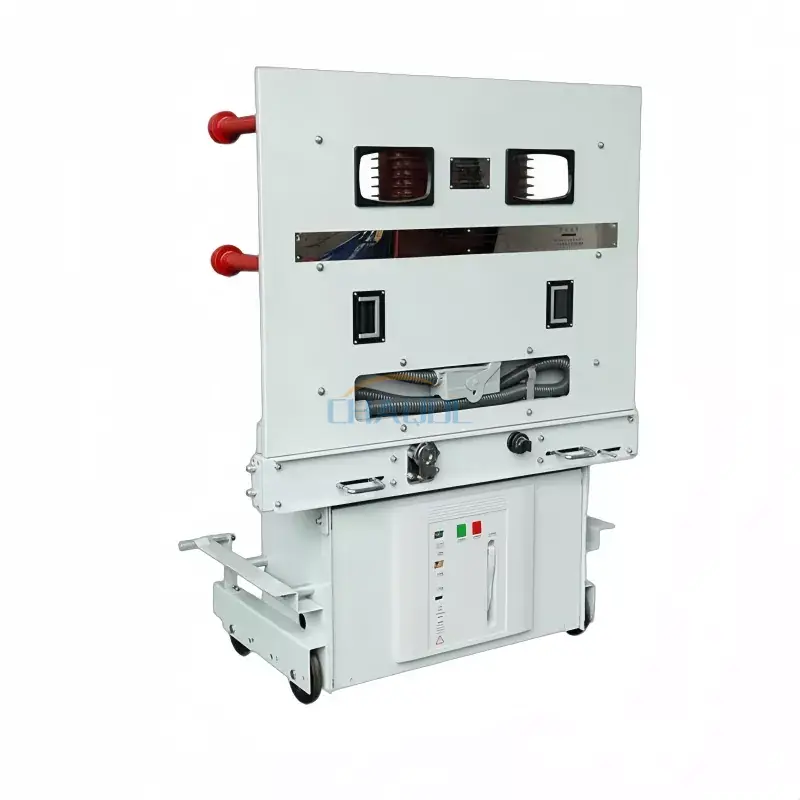
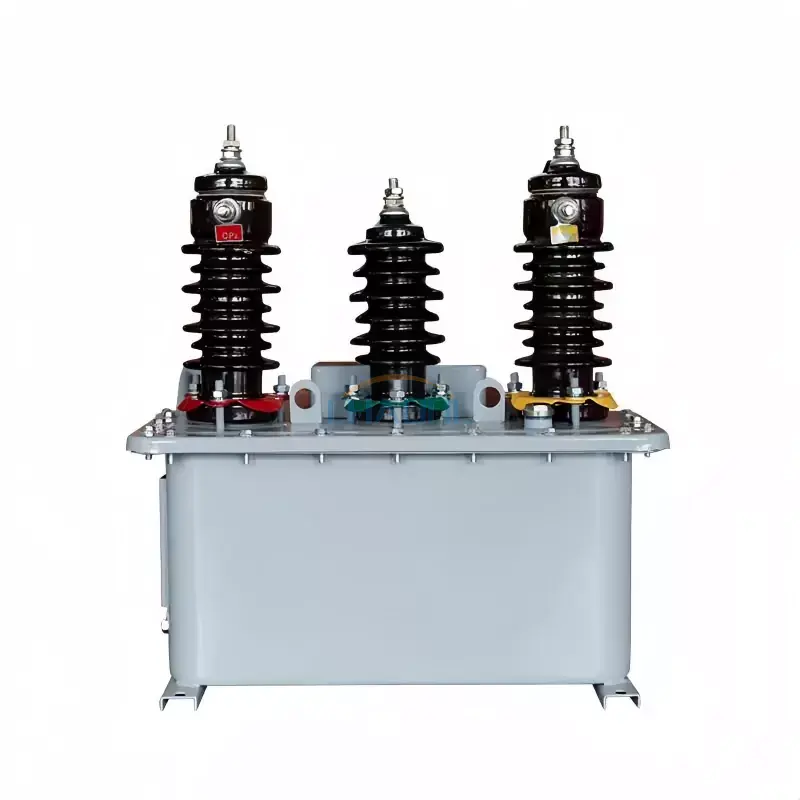
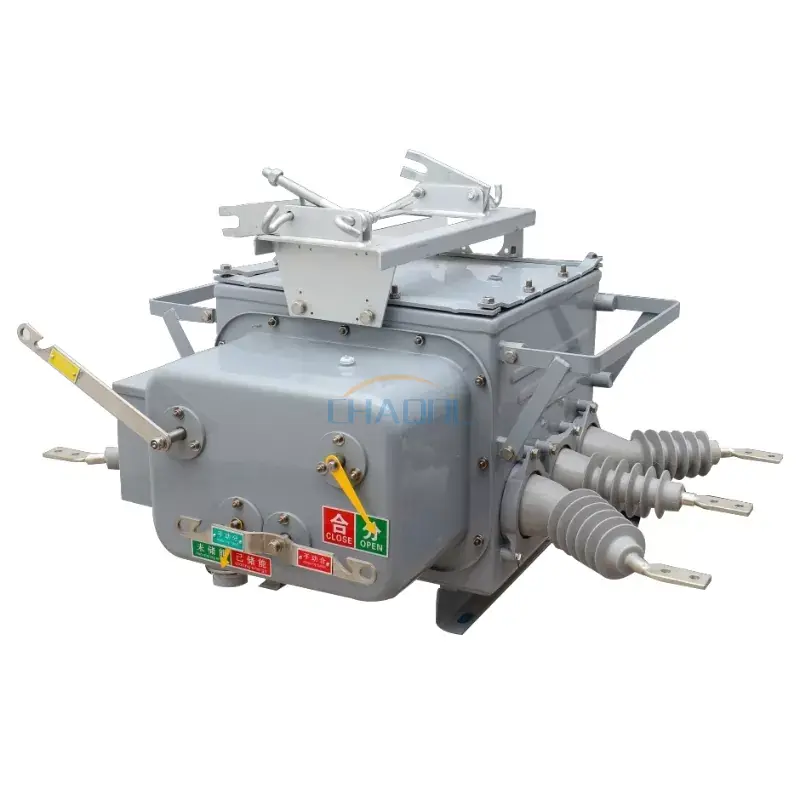
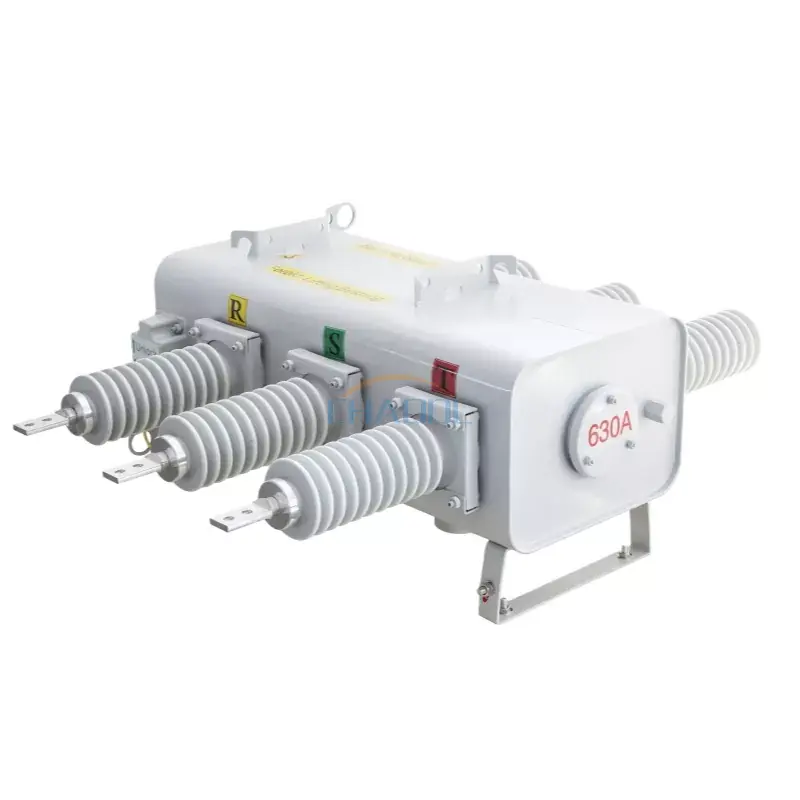
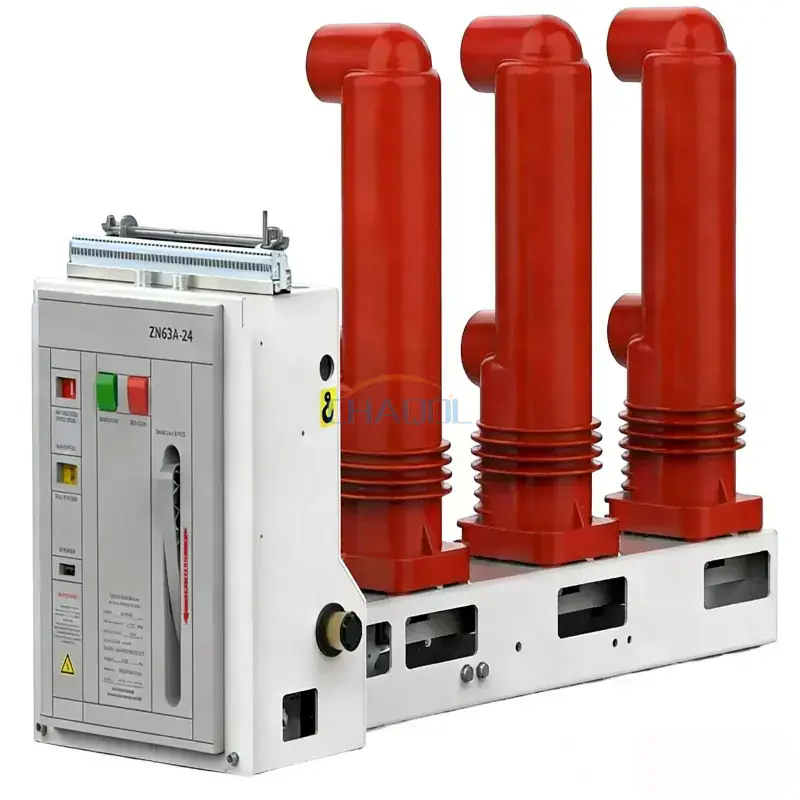
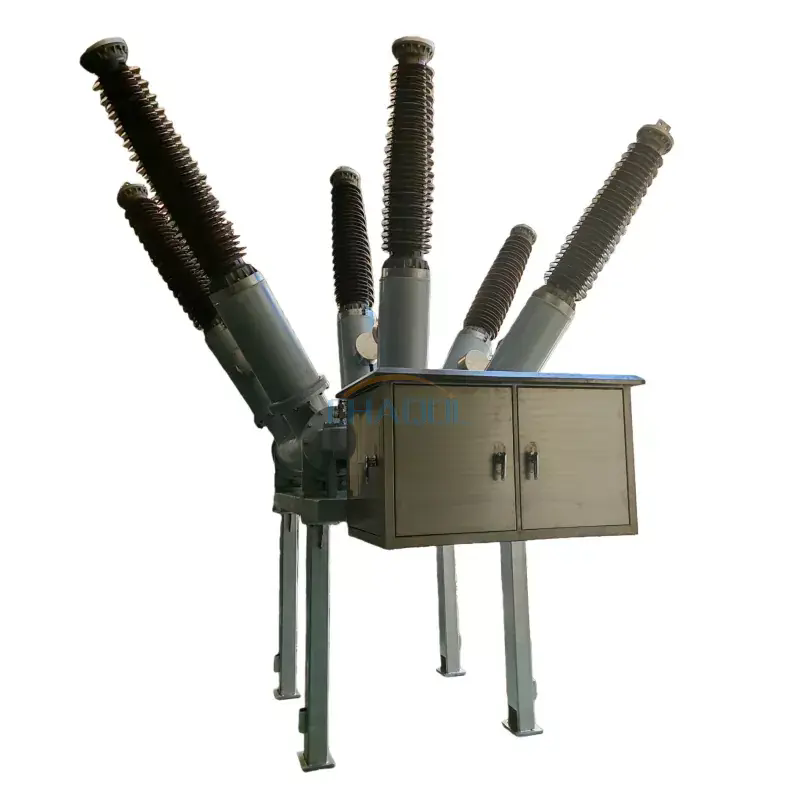
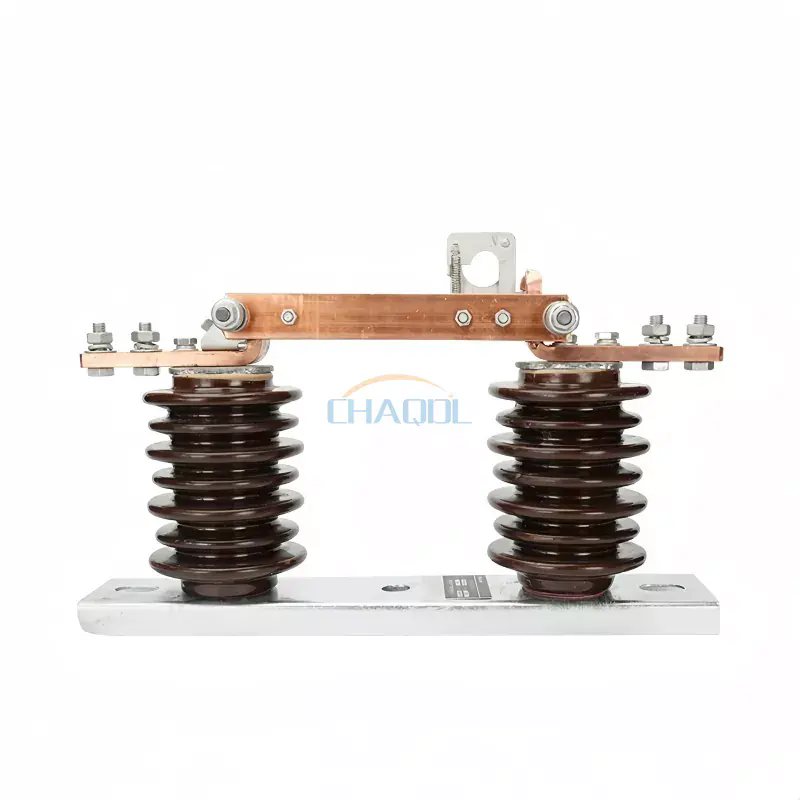
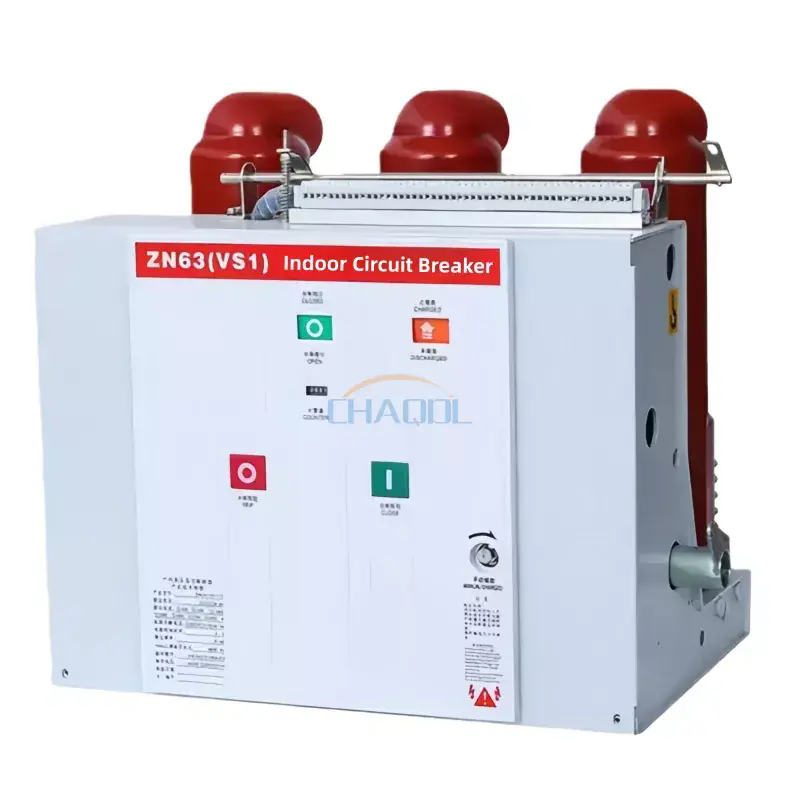
Outdoor High Voltage Load Switch

Table of Contents


What Is a Load Switch?

A Load Switch is a switching device designed to make, carry, and break electrical currents under normal operating conditions. Unlike simple isolators that can only disconnect circuits when no current is flowing, load switches can safely interrupt load currents without causing excessive arcing or equipment damage.

Load switches are widely installed in medium-voltage distribution systems, substations, industrial facilities, renewable energy projects, and commercial power networks. They provide a safe and practical method for sectionalizing power systems and isolating equipment for maintenance.

Main Function: Safely connect and disconnect electrical loads during normal operating conditions while maintaining system reliability and operator safety.

How Does a Load Switch Work?

The operating principle of a Load Switch is relatively straightforward but highly effective. When the switch is opened, specially designed arc-extinguishing mechanisms control and extinguish the electrical arc generated as contacts separate.

The switching process generally follows these steps:

  1. Electrical contacts remain closed during normal operation.
  2. An operator or motorized mechanism initiates switching.
  3. Contacts begin to separate.
  4. An arc forms between the contacts.
  5. Arc-quenching technology rapidly extinguishes the arc.
  6. The circuit becomes safely isolated.

Modern load switches may utilize vacuum interruption technology, SF6 gas insulation, or advanced air-insulated arc control systems to ensure reliable operation under demanding conditions.

The ability to interrupt load current safely distinguishes a Load Switch from traditional disconnect switches.

Why Is a Load Switch Important?

Electrical systems require operational flexibility. Utilities and industrial facilities frequently need to isolate specific sections of a network without shutting down the entire power distribution system.

A Load Switch provides this capability by enabling:

  • Safe equipment isolation
  • Reduced maintenance downtime
  • Improved worker safety
  • Enhanced power distribution flexibility
  • Rapid fault localization
  • Efficient network sectionalization

Without load switching capability, routine maintenance procedures could become significantly more complex and disruptive.


Types of Load Switches

Different applications require different load switch technologies.

Type Features Typical Applications
Air Load Switch Simple structure and cost-effective Commercial and industrial systems
Vacuum Load Switch Excellent arc extinguishing performance Medium-voltage networks
SF6 Load Switch Compact and highly reliable Substations and utility networks
Gas-Insulated Load Switch Space-saving design Urban power distribution
Motorized Load Switch Remote control capability Smart grid applications

Key Advantages of Using Load Switches

Organizations increasingly rely on load switches because they offer multiple operational and financial benefits.

1. Improved Safety

Load switches allow controlled interruption of electrical current, reducing risks associated with manual isolation procedures.

2. Reduced Downtime

Specific sections of the network can be disconnected without affecting the entire system, minimizing service interruptions.

3. Lower Maintenance Costs

Maintenance teams can work on isolated equipment more efficiently, reducing labor and operational expenses.

4. Increased Reliability

Fast switching and sectionalizing capabilities help maintain stable power delivery during system events.

5. Flexible Network Management

Operators gain greater control over load distribution and system configuration.


Common Applications

Load switches are utilized across a wide range of industries and electrical infrastructures.

  • Utility distribution networks
  • Electrical substations
  • Industrial manufacturing facilities
  • Commercial buildings
  • Renewable energy plants
  • Wind farms
  • Solar power stations
  • Data centers
  • Mining operations
  • Transportation infrastructure

As power systems become more complex, the demand for reliable switching solutions continues to grow.


How to Choose the Right Load Switch

Selecting the appropriate Load Switch requires careful evaluation of technical and operational requirements.

Selection Factor Why It Matters
Rated Voltage Must match system voltage requirements
Rated Current Supports expected load demand
Switching Frequency Determines durability requirements
Installation Environment Indoor or outdoor conditions affect design selection
Remote Control Needs Supports automation and smart grid integration
Maintenance Requirements Influences lifecycle costs

Load Switch vs Circuit Breaker

Many buyers confuse load switches with circuit breakers. While both are switching devices, their functions differ significantly.

Feature Load Switch Circuit Breaker
Interrupt Normal Load Current Yes Yes
Interrupt Fault Current Limited or No Yes
Protection Function No Yes
Cost Lower Higher
System Sectionalizing Excellent Good

Maintenance Best Practices

Proper maintenance extends the operational life of load switches and helps prevent unexpected failures.

  • Conduct periodic visual inspections.
  • Check contact wear and alignment.
  • Verify operating mechanism performance.
  • Inspect insulation integrity.
  • Lubricate moving components as recommended.
  • Perform routine electrical testing.
  • Monitor environmental conditions.

Preventive maintenance programs significantly improve long-term reliability and system availability.


Frequently Asked Questions

Q1: Can a Load Switch interrupt fault current?

Most load switches are designed for normal load current interruption and are not intended to clear high fault currents unless combined with protective devices.

Q2: What voltage levels are commonly used?

Load switches are commonly applied in medium-voltage systems ranging from 3.6kV to 40.5kV, depending on the application.

Q3: Are load switches suitable for renewable energy projects?

Yes. They are widely used in solar farms, wind power installations, and energy distribution systems.

Q4: How long does a Load Switch typically last?

Service life depends on operating conditions, switching frequency, and maintenance quality, but modern units can operate reliably for many years.

Q5: Can load switches be remotely operated?

Yes. Many modern load switches support motorized operation and integration with automation systems.


Conclusion

A Load Switch plays a critical role in modern electrical distribution systems by enabling safe load interruption, equipment isolation, network sectionalization, and operational flexibility. Whether used in utility substations, industrial plants, renewable energy facilities, or commercial power networks, the right load switch contributes significantly to safety, reliability, and system efficiency.

When selecting a load switch, organizations should carefully evaluate voltage ratings, current capacity, operating environment, switching frequency, and automation requirements to ensure optimal long-term performance.

Anqiang Power

Anqiang Power specializes in high-quality power distribution equipment and reliable Load Switch solutions designed for modern electrical networks. Our products are engineered to support safe operation, efficient maintenance, and long-term system performance across utility, industrial, and commercial applications.

Looking for the ideal Load Switch for your project? Contact us today to discuss your requirements, receive professional technical guidance, and discover customized solutions from Anqiang Power.

Related News
Leave me a message
X
We use cookies to offer you a better browsing experience, analyze site traffic and personalize content. By using this site, you agree to our use of cookies. Privacy Policy
Reject Accept