Whatsapp
In modern electrical systems, ensuring operational safety and maintenance efficiency is non-negotiable. A disconnect switch plays a critical role in isolating electrical circuits, protecting personnel, and preventing equipment damage. This article provides a comprehensive guide to understanding how disconnect switches work, their types, applications, and how to select the right solution for your needs. Whether you are managing industrial infrastructure or commercial facilities, this guide will help you make informed decisions and avoid costly mistakes.
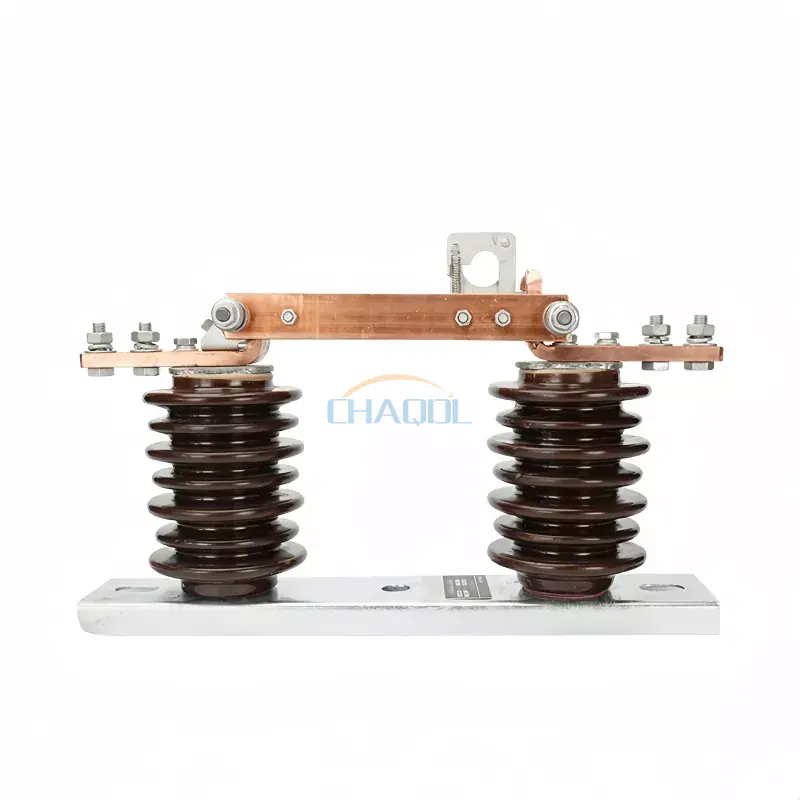
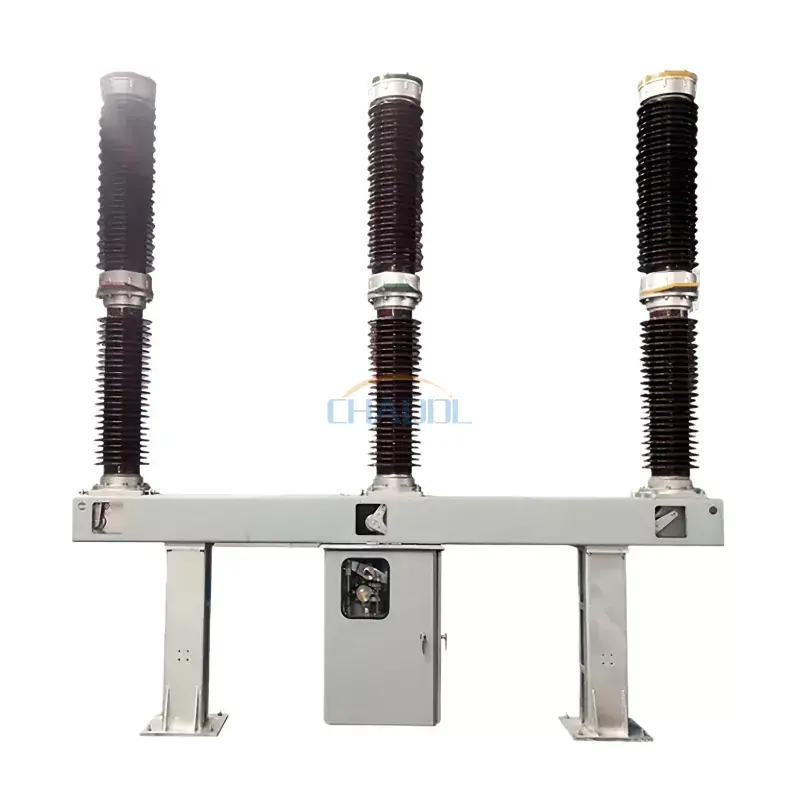
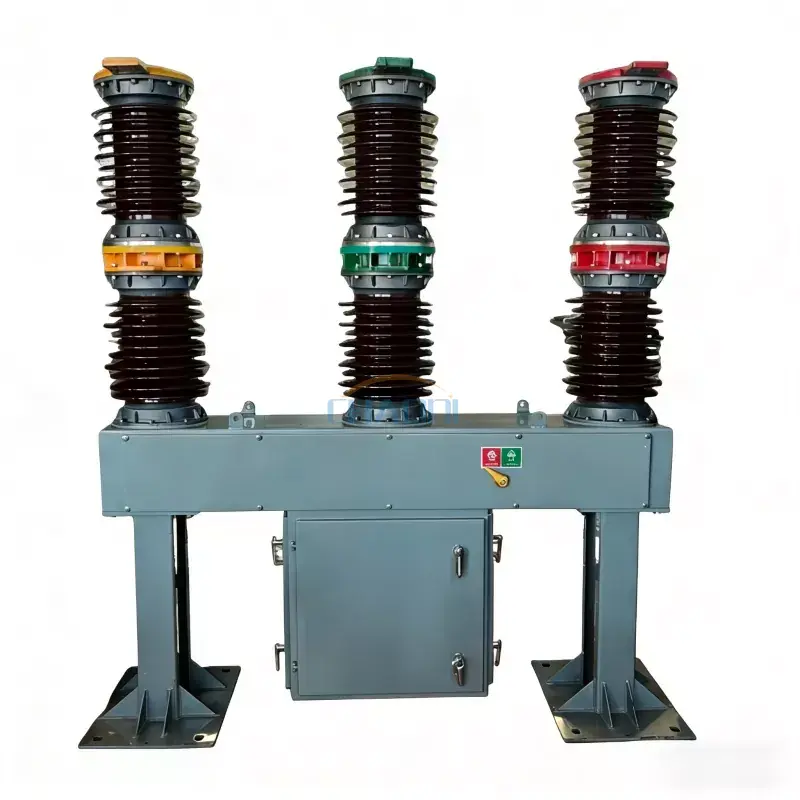
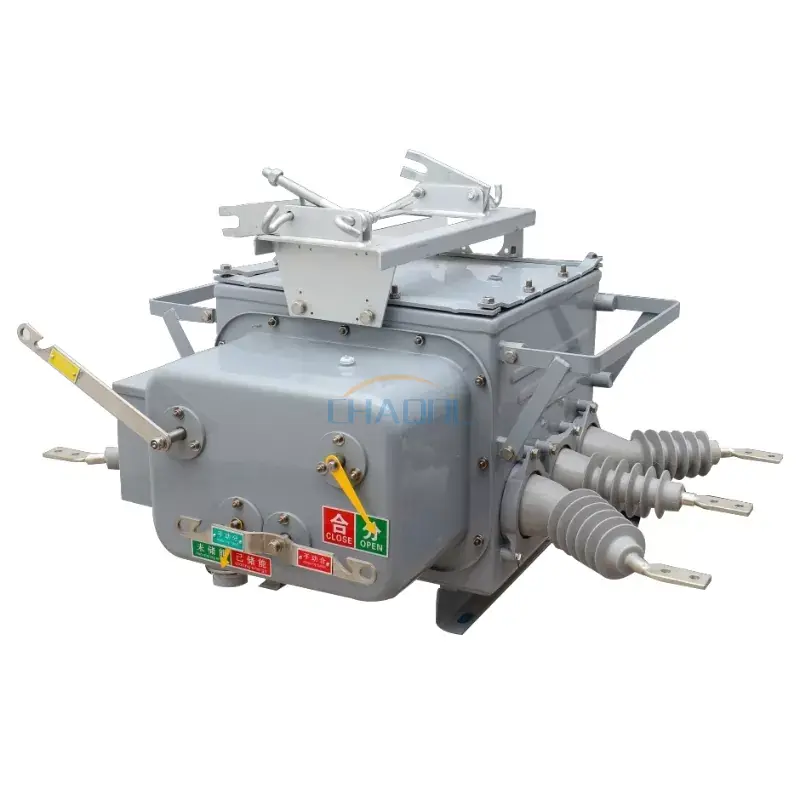
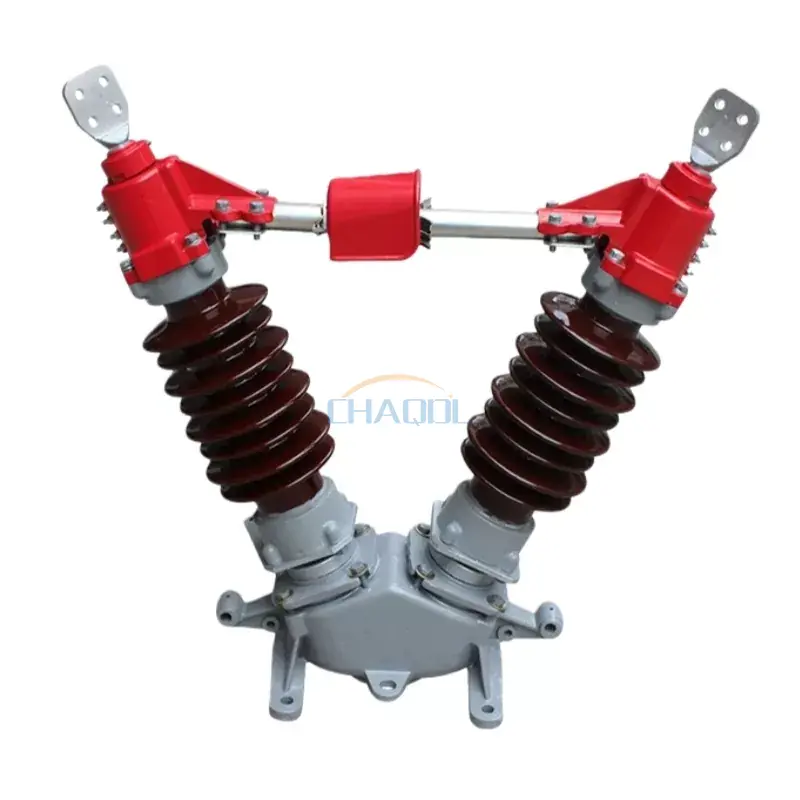
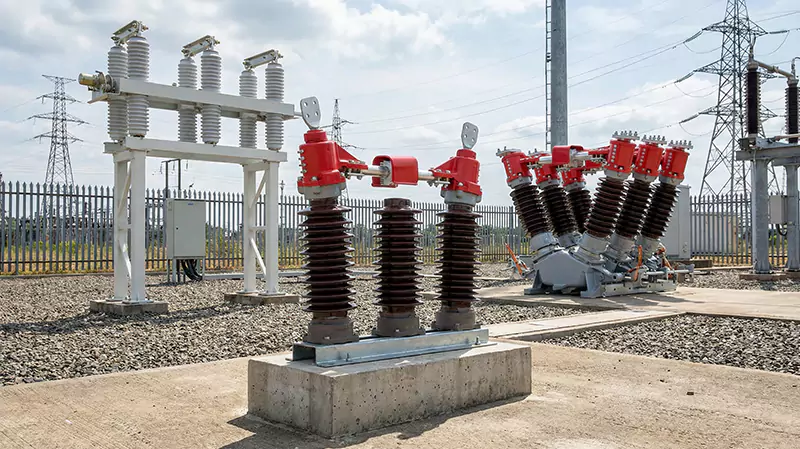
A disconnect switch, also known as an isolator, is a mechanical switching device used to ensure that an electrical circuit is completely de-energized for service or maintenance. Unlike circuit breakers, disconnect switches are not designed to interrupt fault currents but instead provide a visible break in the circuit.
This physical separation is essential in high-voltage and industrial environments, where safety protocols demand clear confirmation that power has been cut off. Companies like Anqiang Power specialize in manufacturing high-quality disconnect switches that meet demanding operational standards.
The working principle of a disconnect switch is straightforward yet crucial. When activated, the switch physically separates electrical contacts, creating an open circuit. This ensures that no current flows through the system.
This simplicity makes disconnect switches highly reliable, especially in environments where operational safety is paramount.
Different applications require different types of disconnect switches. Below are the most common categories:
Understanding the benefits helps address common customer concerns such as safety, compliance, and operational efficiency.
Disconnect switches are widely used across multiple industries due to their versatility:
For example, in solar installations, disconnect switches allow safe isolation of photovoltaic arrays during maintenance or emergencies.
Selecting the correct disconnect switch involves evaluating several technical parameters:
Choosing a reliable manufacturer such as Anqiang Power ensures consistent performance and durability in demanding conditions.
| Type | Function | Best Use Case | Protection Level |
|---|---|---|---|
| Fused | Isolation + Overcurrent Protection | Industrial Systems | High |
| Non-Fused | Isolation Only | Simple Circuits | Medium |
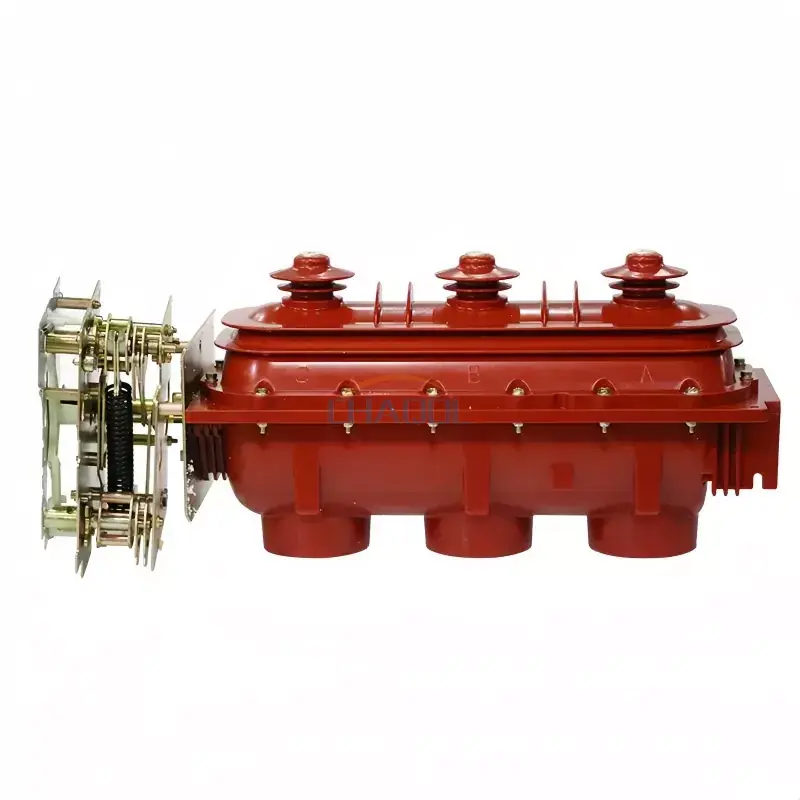
| Load Break | Interrupt Load Current | Frequent Switching | High |
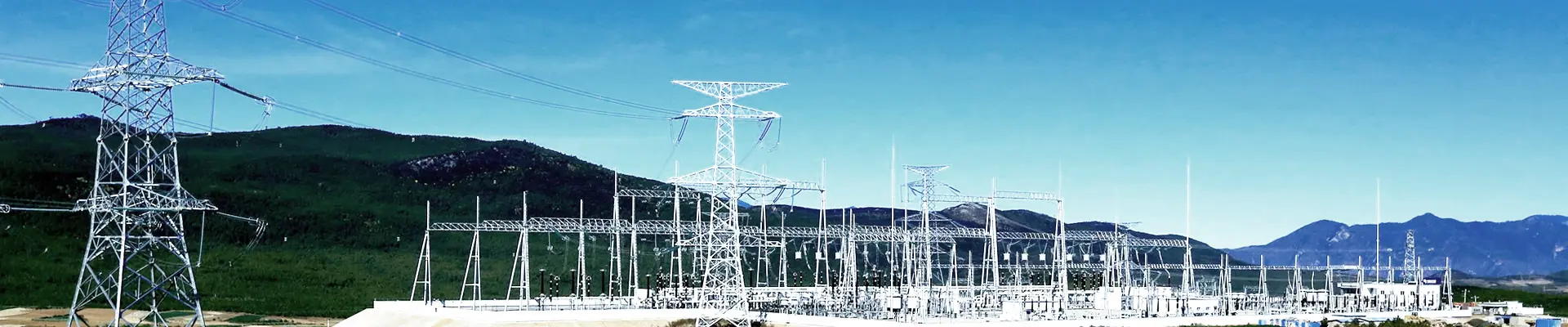
| High Voltage | Grid Isolation | Substations | Very High |
Many users encounter issues due to improper selection or usage. Avoid the following pitfalls:
These mistakes can lead to equipment failure, safety hazards, and increased operational costs.
Q1: Can a disconnect switch replace a circuit breaker?
No. A disconnect switch is designed for isolation, not for interrupting fault currents. Both devices serve different purposes and should be used together when necessary.
Q2: How often should a disconnect switch be maintained?
Routine inspections should be conducted at least annually, or more frequently in harsh environments.
Q3: Are disconnect switches required by regulations?
Yes, most electrical safety standards require disconnecting means for maintenance and emergency situations.
Q4: What is the difference between fused and non-fused switches?
Fused switches include built-in overcurrent protection, while non-fused switches only provide isolation.
A disconnect switch is a fundamental component in any electrical system, ensuring safety, reliability, and compliance. By understanding how it works and how to choose the right type, you can significantly reduce operational risks and improve system performance.
If you are looking for dependable and high-performance solutions, Anqiang Power offers a wide range of disconnect switches tailored to various industrial and commercial needs. Visit the product page for more insights.
For customized recommendations, technical support, or pricing details, contact us and let our experts help you find the perfect solution for your application.