

Anqiang Power develops the 10KV Indoor Current Transformer for medium-voltage measurement and relay protection, with the LZZBJ9-10 model featuring fully enclosed epoxy resin insulation, 5A/1A secondary current options, and multiple primary current configurations for indoor power distribution applications.
A current transformer is a key component in medium-voltage electrical systems because it converts high primary current into a standardized secondary signal that can be safely processed by meters, monitoring equipment, and protection relays. The LZZBJ9-10 10KV Indoor Current Transformer is designed for indoor 10KV and below AC circuits at 50Hz or 60Hz. Its fully enclosed epoxy resin construction combines insulation, mechanical protection, and compact installation into one structure. With primary current options ranging from 5A to 2500A, secondary current of 1A or 5A, and an insulation level of 12/42/75KV, it can be configured for different measurement and protection requirements.
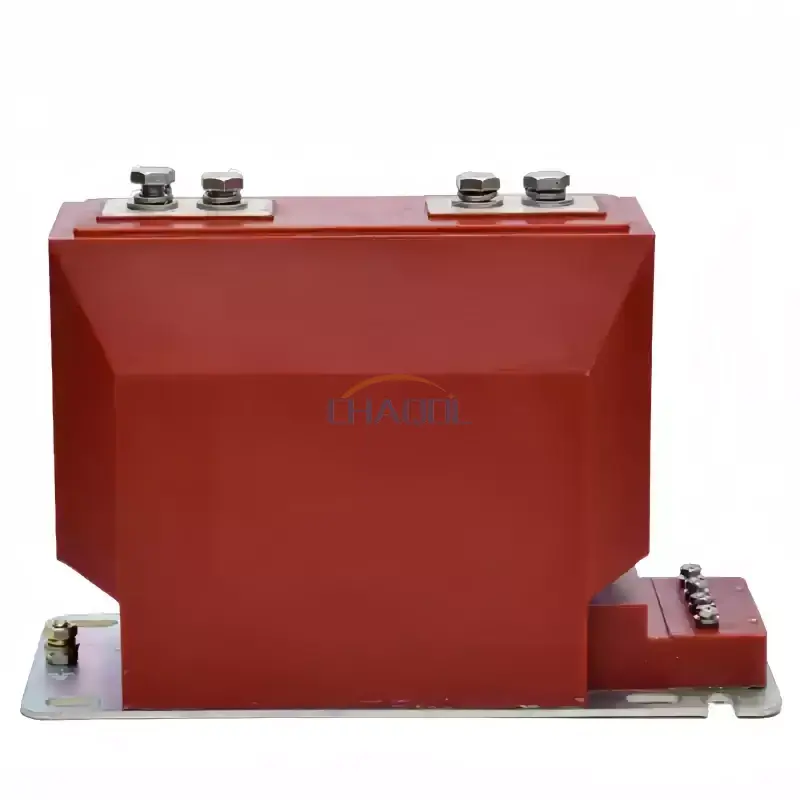
Table of Contents
- What Is a 10KV Indoor Current Transformer?
- How Does It Work in a Medium-Voltage System?
- What Technical Parameters Should Buyers Check?
- What Design Features Support Reliable Operation?
- Where Is It Commonly Used?
- How Should You Select the Right CT?
- Frequently Asked Questions
- Talk to Anqiang Power for a Customized Solution
What Is a 10KV Indoor Current Transformer?
A 10KV Indoor Current Transformer is an instrument transformer designed to measure and monitor current in medium-voltage indoor electrical systems. Instead of connecting measuring instruments and protection relays directly to high primary currents, the transformer reduces the current to a standardized secondary value that can be handled by downstream equipment.
The LZZBJ9-10 model is designed for 10KV and below circuits with a rated frequency of 50Hz or 60Hz. According to the manufacturer's specifications, it uses a fully enclosed epoxy resin structure and is suitable for current measurement, energy measurement, and relay protection.
This arrangement creates electrical isolation between the primary circuit and measurement or protection equipment while providing a usable current signal. As a result, the CT becomes an important interface between high-power electrical equipment and low-level monitoring systems.
How Does It Work in a Medium-Voltage System?
The operating principle is based on electromagnetic induction. When current flows through the primary conductor, it generates a magnetic field in the CT core. The secondary winding then produces a proportional current that can be connected to meters, protection relays, or monitoring devices.
For example, a power distribution system may carry hundreds or thousands of amperes on the primary side, while the connected monitoring equipment is designed for a much smaller standardized current. A properly selected CT provides the required transformation ratio so the secondary circuit can represent the primary operating condition.
Measurement and protection functions
- Current measurement: Provides a proportional signal for electrical meters and monitoring equipment.
- Energy management: Supports measurement systems used to monitor electrical consumption and operating conditions.
- Relay protection: Supplies current signals to protection relays when abnormal or fault conditions occur.
- Distribution automation: Provides current information for automated monitoring and control systems.
The CT therefore needs to be selected according to both the normal measurement requirement and the protection characteristics of the electrical system.
What Technical Parameters Should Buyers Check?
Choosing a current transformer should start with the electrical parameters of the application rather than physical dimensions alone. Primary current, secondary current, accuracy class, rated output, insulation level, and short-circuit withstand characteristics all affect whether a CT is suitable for a particular switchgear or distribution installation.
| Parameter | LZZBJ9-10 Specification | Why It Matters |
|---|---|---|
| Model | LZZBJ9-10 | Identifies the CT design and product configuration |
| Application Voltage | 10KV and below | Defines the applicable medium-voltage system range |
| Rated Frequency | 50Hz / 60Hz | Matches regional and system frequency requirements |
| Primary Current | 5A–2500A configurations | Must correspond to the expected primary circuit current |
| Secondary Current | 1A or 5A | Must match connected meters and protection devices |
| Accuracy Classes | 0.2, 0.5, 10P10 configurations | Determines measurement and protection performance requirements |
| Rated Output | 10VA / 15VA configurations | Should match the connected secondary circuit burden |
| Rated Insulation Level | 12/42/75KV | Supports insulation coordination within the electrical system |
These values should always be checked against the actual electrical design, connected equipment, and applicable project requirements before ordering.
What Design Features Support Reliable Operation?
Fully enclosed epoxy resin insulation
The LZZBJ9-10 adopts an epoxy resin casting structure that fully encloses the internal components. This construction provides electrical insulation while protecting the internal assembly from environmental influences commonly encountered in indoor switchgear environments.
Compact integrated construction
The iron core, secondary winding, and insulation system are integrated into a compact body. This is useful where switchgear panels and distribution cabinets have limited installation space. A compact design can also simplify equipment integration and secondary wiring arrangements.
Protected secondary terminals
A reinforced terminal box provides additional protection for secondary wiring. Together with the grounding base and mounting structure, this helps support orderly installation and safer access during inspection and maintenance.
Multiple current configurations
Different primary current configurations allow the same product family to address a broad range of distribution applications. The available configurations extend from low-current ratings to high-current applications up to 2500A, subject to the applicable model configuration.
Where Is It Commonly Used?
The compact structure and medium-voltage design make this type of CT suitable for several indoor electrical applications.
- Indoor switchgear: Provides current signals for measurement and protection circuits.
- Power distribution cabinets: Supports monitoring of feeders and electrical loads.
- Compact substations: Interfaces primary circuits with metering and protection equipment.
- Industrial power systems: Helps monitor electrical operating conditions in manufacturing facilities.
- Energy management systems: Supplies current information for electrical monitoring and analysis.
- Distribution automation: Supports current sensing for automated electrical control and monitoring.
In practical installations, the transformer can work together with protection relays, energy meters, monitoring instruments, and other secondary electrical equipment. This makes accurate specification particularly important when integrating a CT into an existing switchgear system.
How Should You Select the Right CT?
For engineers, electrical contractors, switchgear manufacturers, and purchasing teams, product selection should be based on the complete electrical application rather than the nominal voltage alone.
- Confirm the system voltage. Verify that the CT is suitable for the actual medium-voltage network, such as a 10KV application.
- Determine the primary current. Select a primary current rating that corresponds to the expected operating and system conditions.
- Choose the secondary current. Check whether downstream meters and protection relays require 1A or 5A secondary current.
- Define the accuracy requirement. Measurement and protection circuits may require different accuracy classes.
- Check the secondary burden. Rated output should be compatible with the connected secondary circuit.
- Verify insulation requirements. Confirm that the insulation level matches the electrical system and project design.
- Check mechanical installation conditions. Mounting holes, terminal position, available cabinet space, and grounding arrangements should all be reviewed.
For customized projects, providing the supplier with the system voltage, primary current, secondary current, accuracy class, rated burden, installation environment, and intended application can significantly improve model selection and technical communication.
Frequently Asked Questions
What is the main function of a 10KV Indoor Current Transformer?
Its main function is to transform high primary current into a standardized lower secondary current for measurement, energy monitoring, and relay protection in medium-voltage electrical systems.
What secondary current options are available?
The LZZBJ9-10 specification supports rated secondary current options of 1A and 5A. The appropriate option should correspond to the connected metering or protection equipment.
What primary current range can be configured?
The listed configurations cover primary current ratings from 5A to 2500A. The exact configuration should be selected according to the project's electrical requirements.
Can this CT be used for both measurement and protection?
Yes. The product supports different accuracy-class combinations for measurement and protection applications. The required configuration should be determined from the protection scheme and measurement requirements.
Why is epoxy resin used in the CT structure?
Epoxy resin provides electrical insulation and mechanical encapsulation. In a fully enclosed structure, it also helps protect internal components and supports stable operation in indoor switchgear environments.
Where can this type of current transformer be installed?
Typical applications include indoor switchgear, power distribution cabinets, compact substations, industrial power systems, energy management systems, and distribution automation equipment.
Talk to Anqiang Power for a Customized Solution
When selecting a medium-voltage current transformer, the correct combination of primary current, secondary current, accuracy class, rated output, insulation level, and installation structure is essential. The LZZBJ9-10 provides multiple configuration options for indoor 10KV and below power systems, making it suitable for measurement and protection applications across different distribution environments. If you are planning a new switchgear project, upgrading an existing distribution cabinet, or need a CT configured around specific electrical parameters, learn more about the 10KV Indoor Current Transformer and contact us with your technical requirements for a suitable solution from Anqiang Power.