Whatsapp
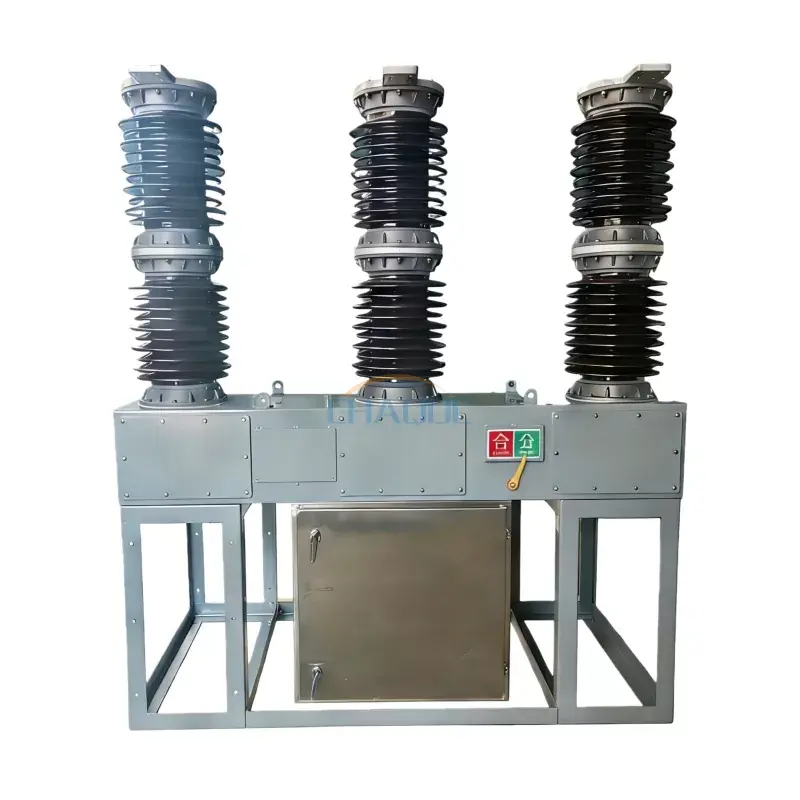
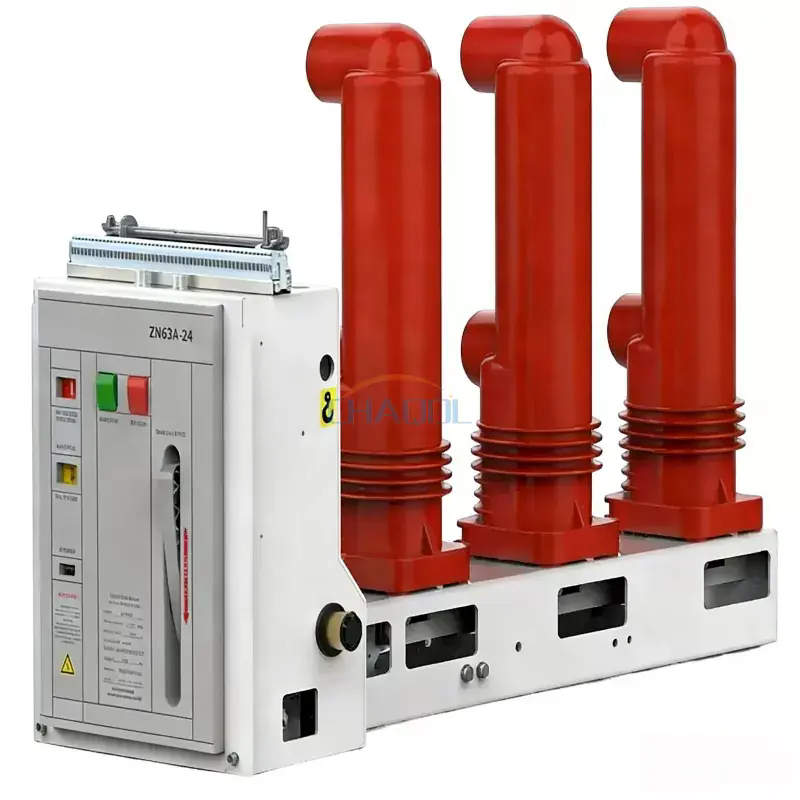
Circuit breakers and disconnectors can both interrupt circuits. Depending on the number of poles, they can operate on single-phase or three-phase circuits. The function of a circuit breaker is to protect the circuit and equipment. It usually has an automatic tripping feature and can be operated with load. While a disconnecter is only used to interrupt the circuit. It usually does not automatically cut off the circuit and cannot be operated with load. This article, by combining the functions and classifications of circuit breakers and disconnectors, elaborately introduces the differences between them.
Low-voltage circuit breaker
1. Function of the circuit breaker
Overload protection: Once the current in the circuit exceeds the rated current for a certain period of time, the circuit breaker will automatically cut off the circuit. For example, if a socket is connected with too many high-power electrical appliances and the current becomes overloaded, the circuit breaker will trip to prevent the circuit from being damaged due to overheating and even to avoid causing a fire.
2. Short-circuit protection: If a short circuit occurs in the circuit, meaning the current suddenly becomes extremely high, the circuit breaker can quickly cut off the circuit. This prevents the huge current generated by the short circuit from causing catastrophic damage to the wires, electrical equipment, etc.
3. Undervoltage Protection (available in some circuit breakers): When the grid voltage drops below the normal operating voltage by a certain extent, the circuit breaker can automatically cut off the circuit to protect the electrical equipment from being damaged by undervoltage. After the grid voltage returns to normal, some circuit breakers require manual reset before they can be re-energized, while others can automatically re-close.
Low-voltage circuit breaker
II. Circuit breaker functions
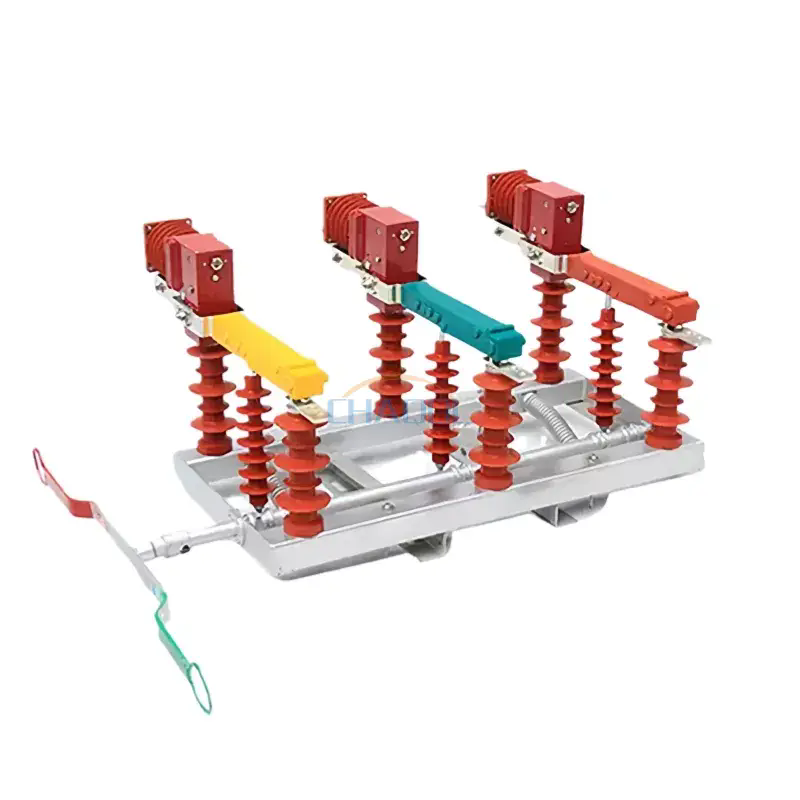
Isolation power supply: The main function of the isolating switch is to reliably isolate the electrical equipment that needs maintenance from the live power supply, ensuring the safety of the maintenance personnel. For example, when conducting maintenance on the electrical equipment of a certain line in a substation, by operating the isolating switch, a clear break point can be formed between the equipment and the power supply, preventing sudden power supply from causing harm to the maintenance personnel.
2. Switching operation: In a double-busbar or other wiring system, the isolating switch is used to change the connection mode of the circuit, enabling the equipment or lines to be switched from one set of busbars to another, thereby ensuring the flexible adjustment of the power system operation mode. However, during the switching operation, the isolating switch is usually used in conjunction with devices such as circuit breakers.
3. Operating small current circuits: The isolating switch can open and close non-faulty voltage transformers and lightning arresters, busbars, the capacitive current of equipment directly connected to the busbar, as well as the grounding knife switch at the neutral point of the transformer, etc., which are all small current circuits.
Electric low-voltage circuit breaker
III. Circuit breakers classified by tripping method
Thermal circuit breaker: It mainly utilizes the principle that the bimetallic strip bends when heated. When the current is overloaded, the bimetallic strip bends due to the heat generated by the current, triggering the tripping mechanism to cut off the circuit. The action time of this circuit breaker is related to the size of the overload current; the greater the overload current, the shorter the action time.
2. Electromagnetic Circuit Breaker: Based on the principle of electromagnetic induction. When a short circuit occurs in the circuit, a sudden large current generates a powerful electromagnetic force, causing the tripping mechanism to act and quickly cut off the circuit. It is extremely sensitive to short-circuit currents.
3. Electronic Circuit Breaker: It detects the current magnitude and changes through electronic components. It can more accurately implement protection functions such as overload and short circuit, and some electronic circuit breakers also have the functions of remote control and communication, making it a relatively advanced type of circuit breaker.
Low-voltage disconnect switch
IV. Classification of disconnect switches by installation location
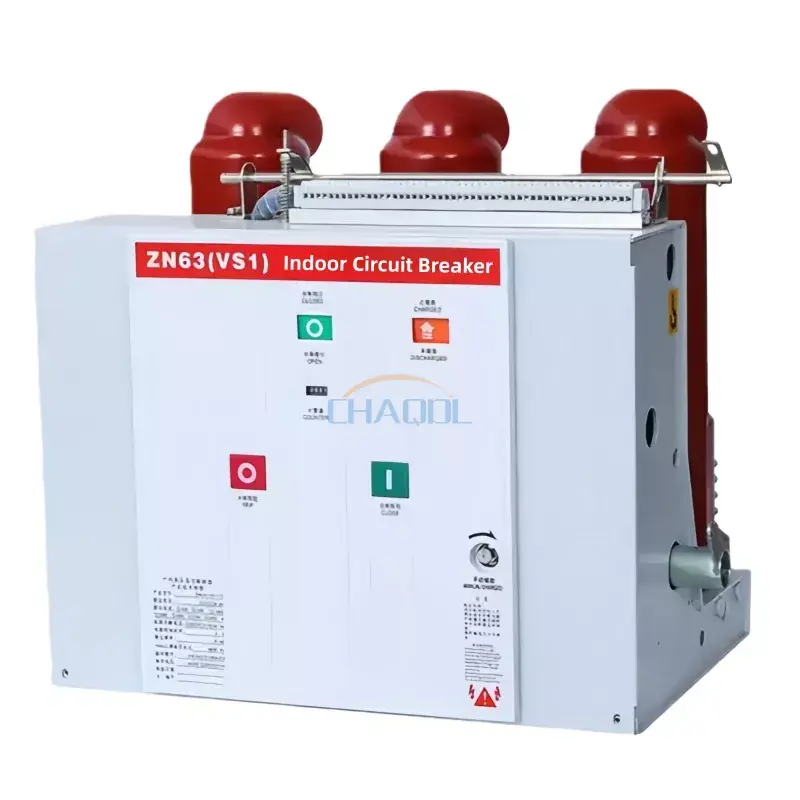
Indoor disconnect switch: Usually installed in the distribution room or other areas within buildings, it is used for isolating operations of indoor electrical equipment. Its structure is relatively compact and its volume is small because the indoor environment conditions are relatively stable.
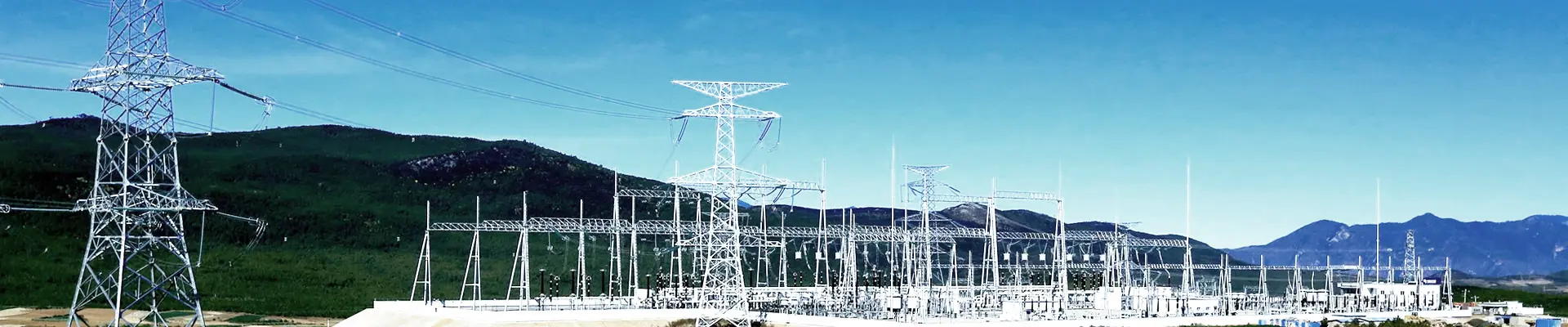
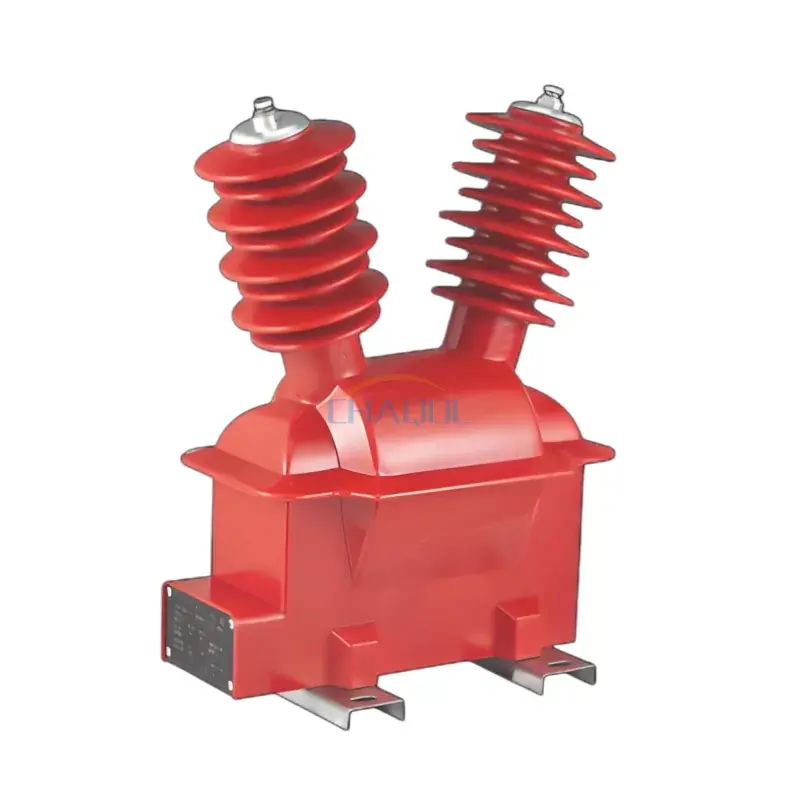
2. Outdoor disconnect switches: Installed in outdoor substations, transmission lines, and other locations, they need to be able to withstand various complex weather conditions. Their structure is relatively sturdy and has excellent waterproof, windproof, and corrosion-resistant properties.
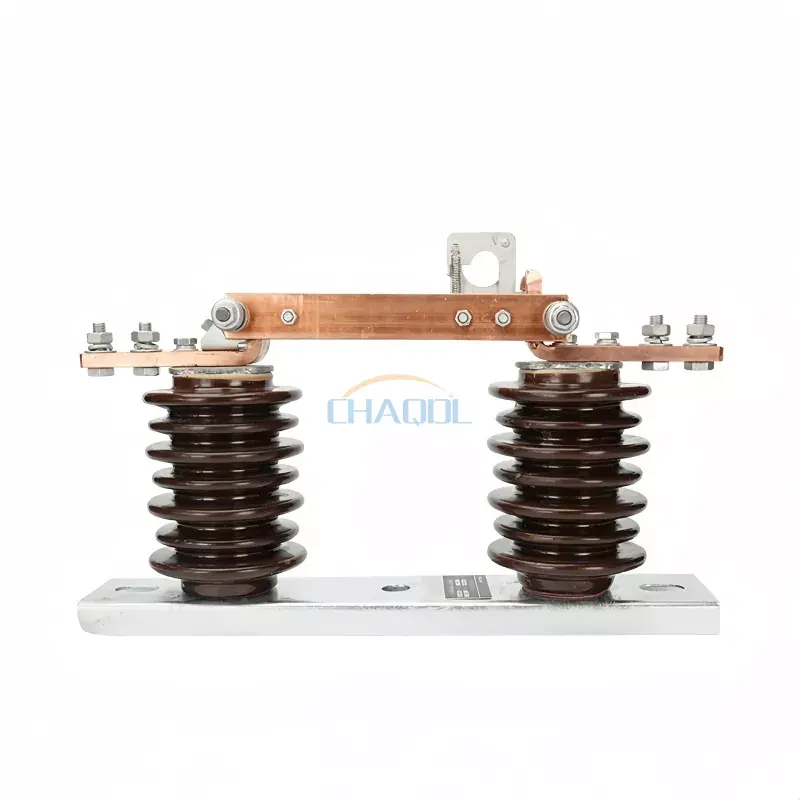
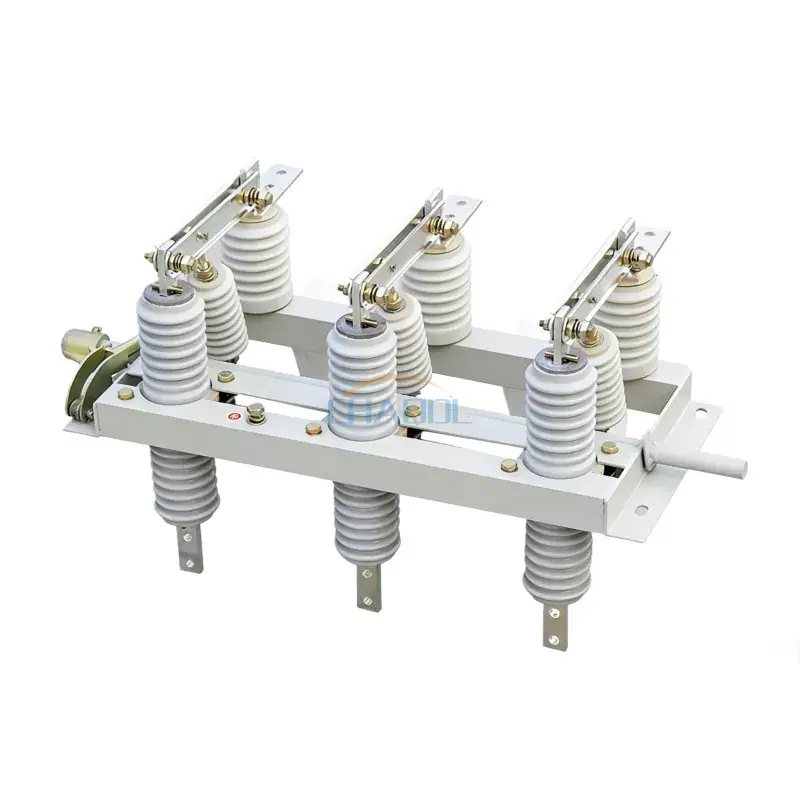
High-voltage disconnect switch
V. Classification of disconnect switches based on operating mechanism
Manual disconnect switch: It requires manual operation through the handle to perform opening and closing. The operation is simple and direct, with low cost. It is generally used in situations with lower voltage levels and less frequent operations.
2. Electric Isolating Switch: The opening and closing actions are achieved through an electric operating mechanism. This type of isolating switch enables remote control, facilitating centralized control and automated operations in large substations and other such facilities. However, it has a relatively higher cost and a more complex structure.