News

How Does an Instrument Transformer Improve Electrical System Safety?

2026-06-09 0 Leave me a message

Abstract: Instrument transformers are vital components in modern electrical systems. They enhance safety, ensure accurate measurement, and protect equipment from high voltage risks. This article explores how instrument transformers work, their benefits, types, installation tips, and common troubleshooting practices, providing solutions to real-world challenges faced by electrical engineers and facility managers.

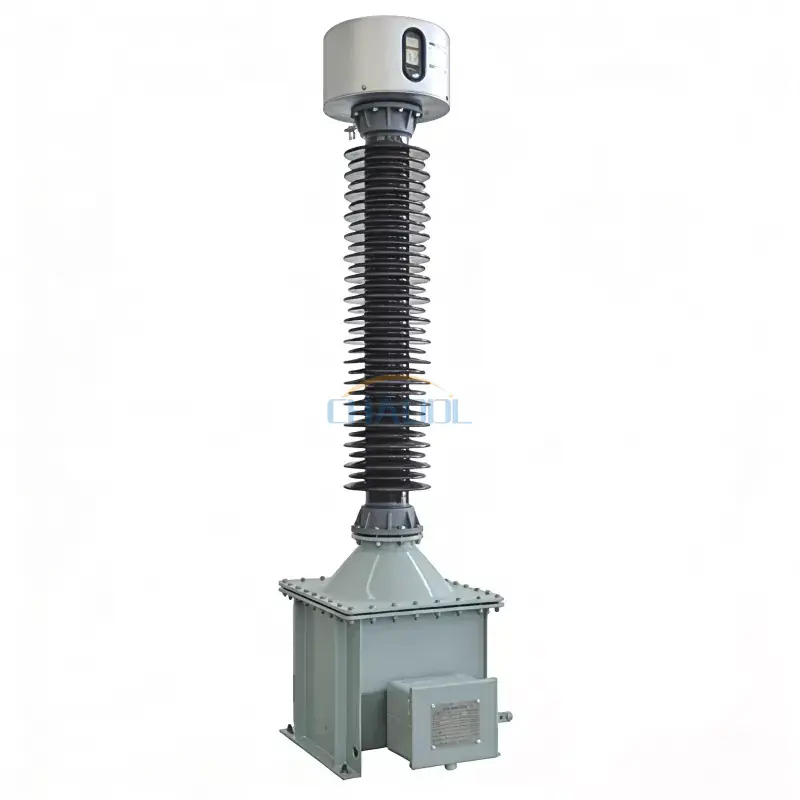
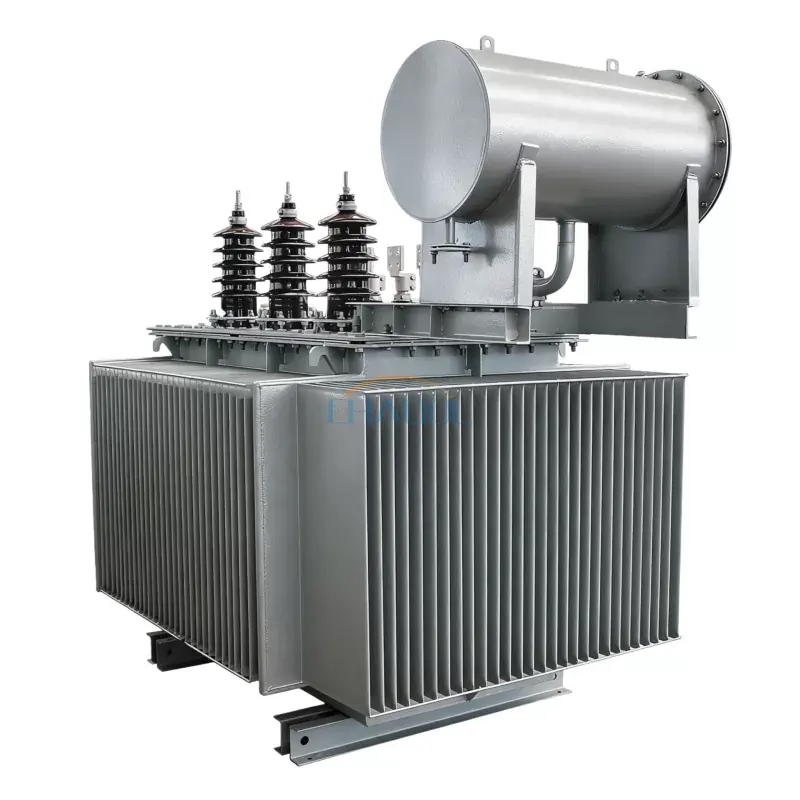
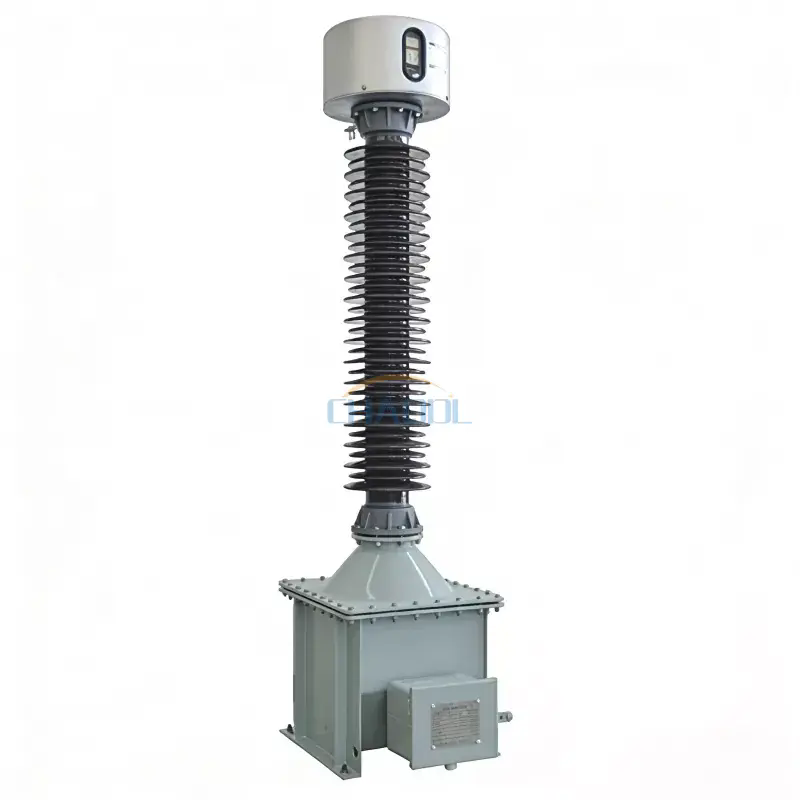
Oil Immersed Electromagnetic Voltage Transformer

Table of Contents


Introduction

In the realm of electrical engineering, safety and accuracy are critical. High voltage systems pose risks not only to equipment but also to personnel. Instrument transformers serve as protective intermediaries, scaling down high voltage or current levels to manageable and measurable values for meters, relays, and monitoring devices. By understanding their role, engineers can optimize system performance while maintaining stringent safety standards.


What is an Instrument Transformer?

An instrument transformer is a device that reduces high voltage or current to a lower, standardized level, enabling safe measurement and monitoring. It serves two main purposes:

  • Measurement: Accurate representation of voltage and current for meters and monitoring systems.
  • Protection: Safeguards relays and other protective devices by isolating them from high voltage.

Key components include:

  • Primary winding
  • Secondary winding
  • Core (magnetic material)
  • Insulation system

Instrument transformers are classified into two main categories:

  1. Current Transformers (CTs)
  2. Voltage/ Potential Transformers (VTs/PTs)

Types of Instrument Transformers

Current Transformers (CTs)

Current transformers are designed to measure high current levels by producing a proportional lower current in the secondary winding. Key applications include:

  • Energy metering
  • Overcurrent protection
  • Power quality monitoring

Voltage Transformers (VTs/PTs)

Voltage transformers, also known as potential transformers, reduce high voltage to a safer, measurable level. They are essential for:

  • Voltage measurement
  • Relay operation
  • Power system monitoring

Comparison Table

Type Primary Function Typical Application
Current Transformer (CT) Convert high current to measurable current Metering, protection relays
Voltage Transformer (VT/PT) Convert high voltage to measurable voltage Voltage monitoring, relay operation

Benefits of Using Instrument Transformers

Instrument transformers provide multiple advantages, including:

  • Enhanced Safety: Isolates measuring instruments and personnel from high voltages.
  • Accurate Measurements: Enables precise readings for metering and control systems.
  • System Protection: Prevents damage to relays and monitoring devices.
  • Versatility: Supports various high-voltage applications across industrial and utility sectors.

Installation Tips and Best Practices

Proper installation ensures long-term reliability and accuracy. Key practices include:

  • Mount transformers in dry, ventilated locations
  • Ensure proper grounding for safety
  • Verify polarity markings to prevent wiring errors
  • Regularly inspect for insulation degradation
  • Follow manufacturer guidelines for load ratings

Proper installation also reduces risks of overheating, incorrect readings, and potential system downtime.


Troubleshooting Common Issues

Despite robust design, instrument transformers can encounter problems. Common issues include:

  • Incorrect readings due to secondary circuit faults
  • Insulation failure causing short circuits
  • Loose connections leading to inaccurate measurements
  • Environmental damage such as moisture ingress

Basic troubleshooting steps:

  1. Check wiring and polarity connections
  2. Inspect insulation and grounding
  3. Test secondary current/voltage outputs with calibrated instruments
  4. Replace damaged units promptly

FAQ

Q: Can instrument transformers handle overload conditions?
A: Most are designed for nominal overloads, but continuous overloading may damage the device. Always follow rated limits.
Q: How often should instrument transformers be tested?
Routine testing is recommended annually, with more frequent checks in harsh environments.
Q: Are CTs and VTs interchangeable?
No, CTs measure current, while VTs measure voltage. Using one in place of the other can lead to inaccurate readings and equipment damage.

Conclusion & Contact

Instrument transformers are critical for safe and reliable electrical systems. From accurate measurement to equipment protection, their role cannot be overstated. Choosing high-quality transformers, installing them correctly, and maintaining regular inspections ensures optimal system performance.

For premium instrument transformers and expert guidance, Anqiang Power is your trusted partner. Contact us today to explore our full range of products and solutions.

Related News
Leave me a message
X
We use cookies to offer you a better browsing experience, analyze site traffic and personalize content. By using this site, you agree to our use of cookies.Privacy Policy
RejectAccept