News

How High Voltage Circuit Breaker Improves Power System Safety and Reliability?

2026-03-17 0 Leave me a message

Article Summary: High voltage circuit breakers are essential components in modern power systems, designed to protect electrical infrastructure from faults, overloads, and short circuits. This article provides a comprehensive explanation of how high voltage circuit breakers work, their types, key parameters, and how to select the right solution. It addresses common customer concerns such as safety, durability, maintenance, and operational efficiency.

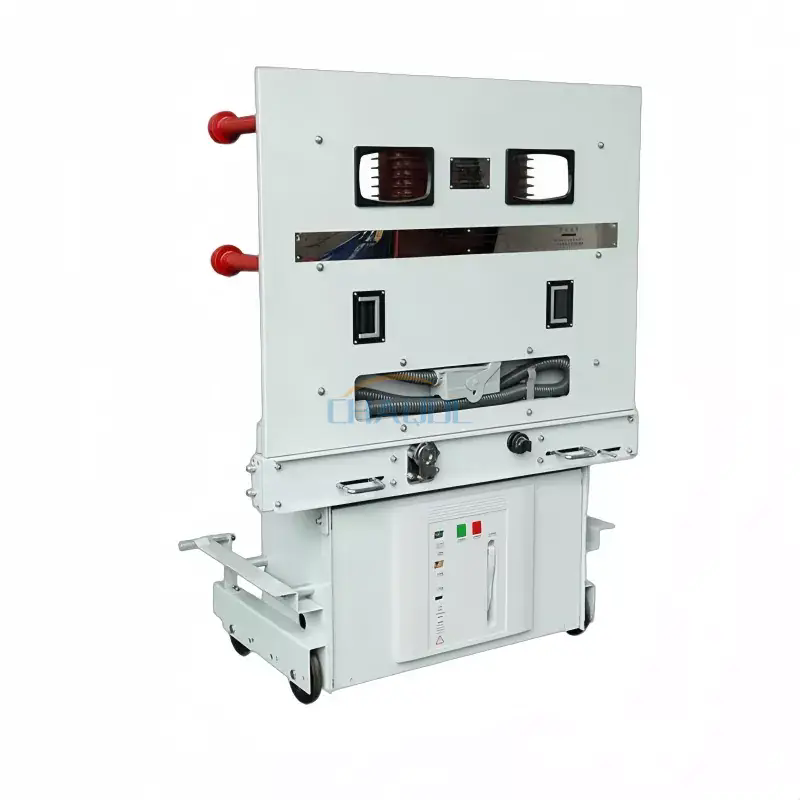
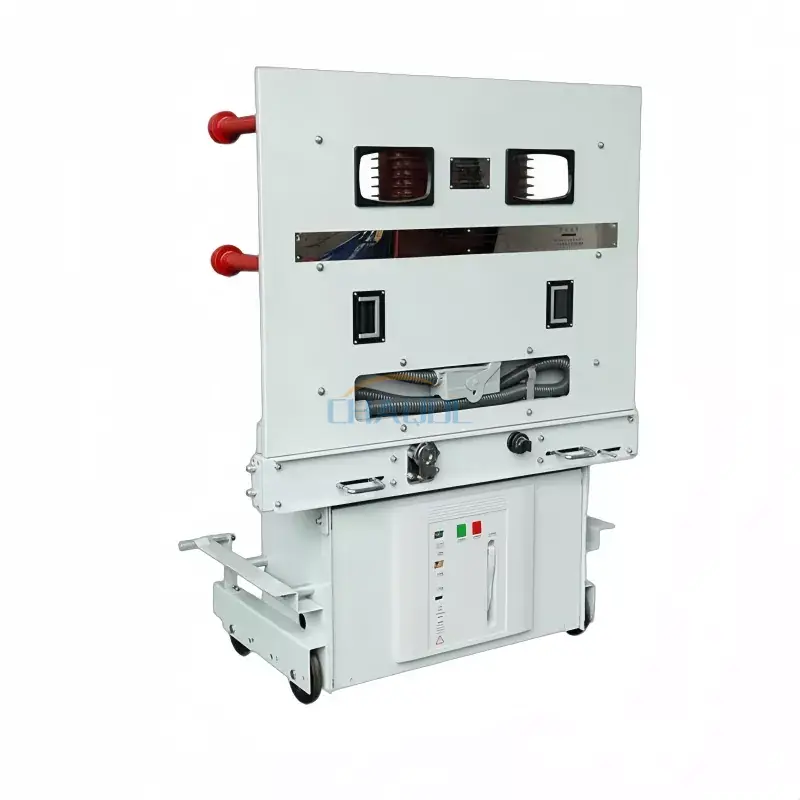
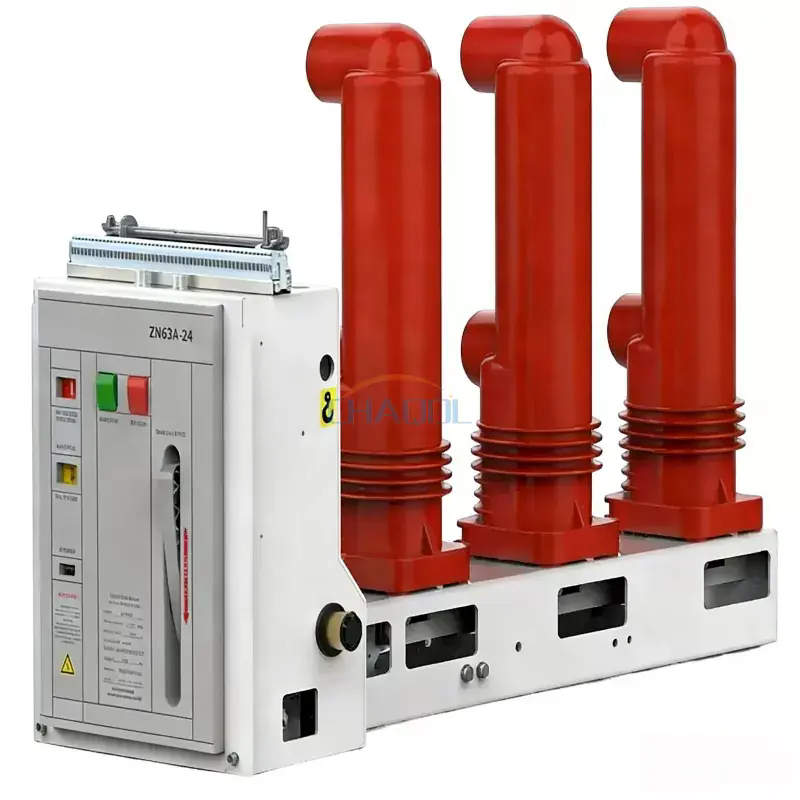
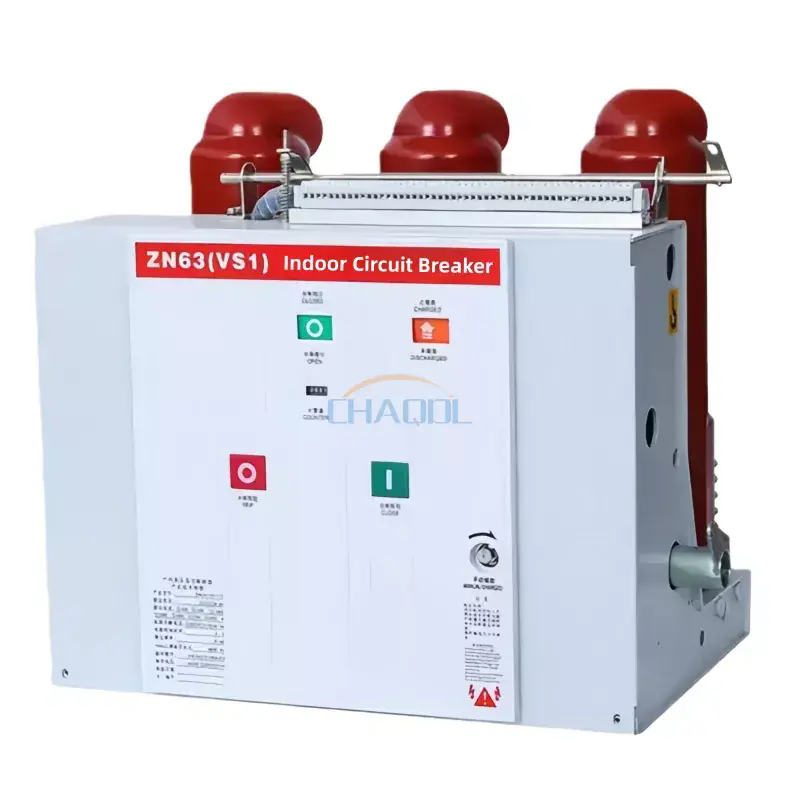
36kV Indoor High Voltage Circuit Breaker

Table of Contents

1. Overview of High Voltage Circuit Breakers
2. How High Voltage Circuit Breakers Work
3. Types of High Voltage Circuit Breakers
4. Key Technical Parameters
5. How to Choose the Right Circuit Breaker
6. Advantages and Practical Benefits
7. Frequently Asked Questions
8. Contact Us


1. Overview of High Voltage Circuit Breakers

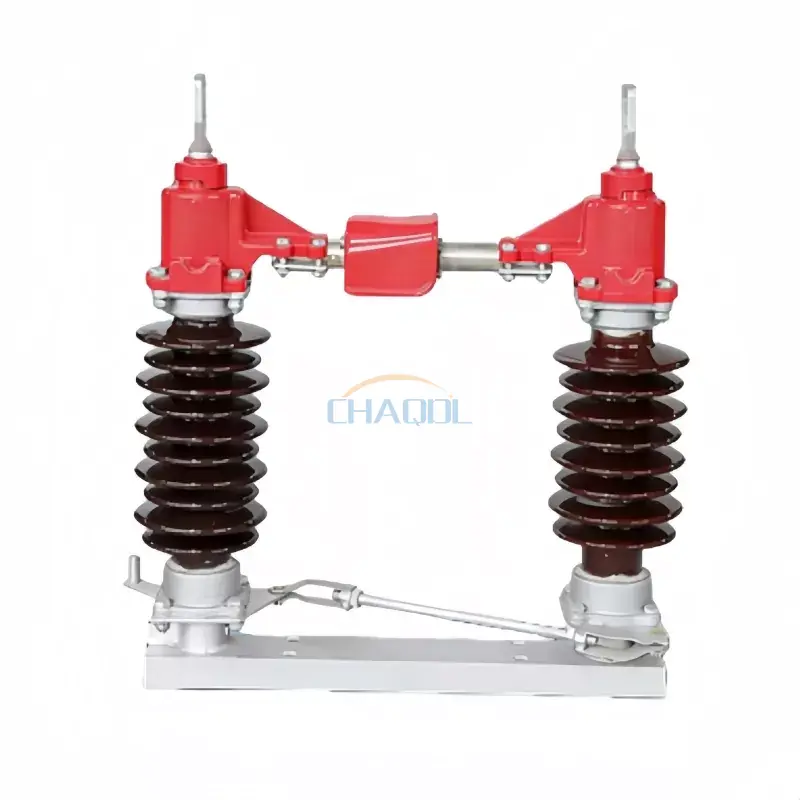
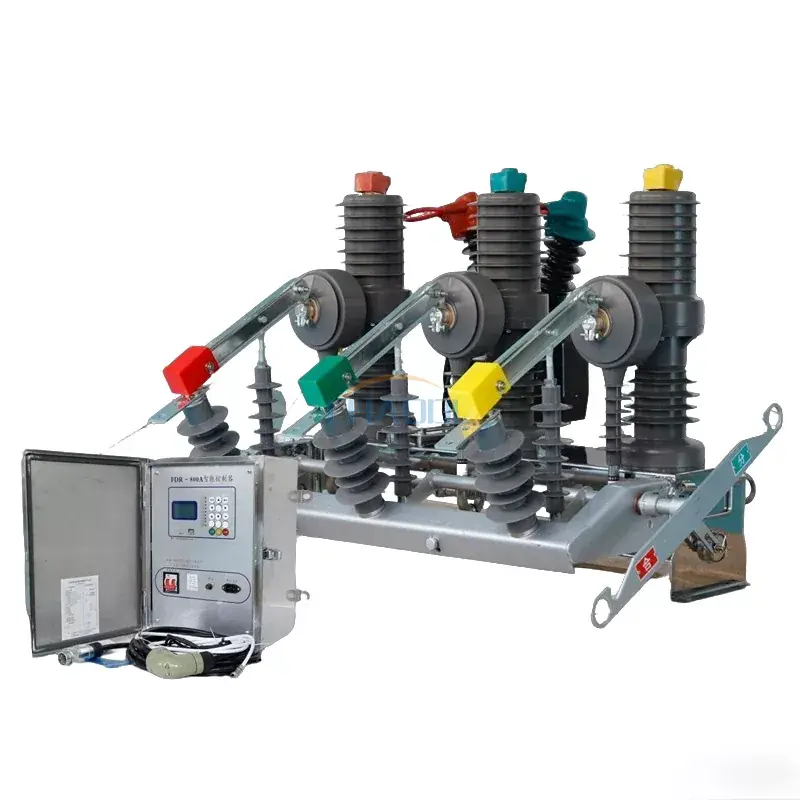
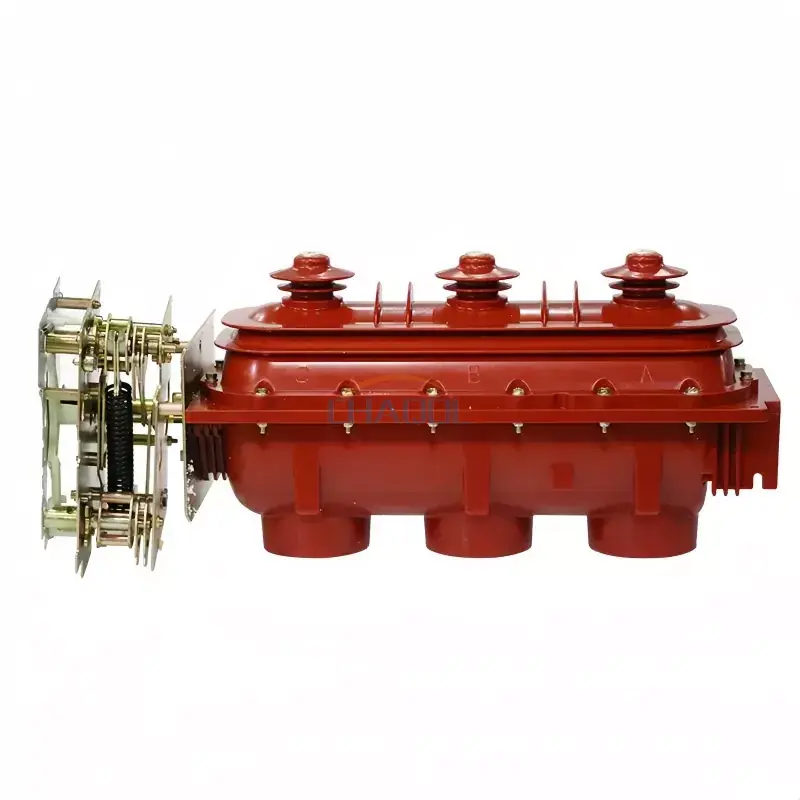
A high voltage circuit breaker is a mechanical switching device designed to interrupt fault currents and protect electrical systems operating above 1kV. It plays a critical role in ensuring system stability, preventing equipment damage, and maintaining operational safety in industries such as power generation, transmission, and distribution.

Modern power grids demand reliable protection mechanisms. Without an effective circuit breaker, faults such as short circuits or overloads can lead to catastrophic failures, resulting in downtime, financial losses, and safety hazards.


2. How High Voltage Circuit Breakers Work

The primary function of a high voltage circuit breaker is to detect abnormal electrical conditions and interrupt the current flow. This process involves three core stages:

  • Detection: Protection relays identify abnormal conditions such as overcurrent or short circuits.
  • Tripping: A signal is sent to the breaker mechanism to open the contacts.
  • Arc Extinction: When contacts separate, an arc forms. The breaker extinguishes this arc using specialized media such as gas, vacuum, or oil.

The interruption must occur within milliseconds to prevent system damage. Advanced designs ensure minimal arc duration and rapid recovery of insulation strength.


3. Types of High Voltage Circuit Breakers

Different applications require different circuit breaker technologies. Below is a structured comparison:

Type Insulation Medium Advantages Typical Application
SF6 Circuit Breaker Sulfur Hexafluoride Gas High efficiency, compact size, excellent arc quenching High voltage substations
Vacuum Circuit Breaker Vacuum Low maintenance, long life, environmentally friendly Medium to high voltage systems
Oil Circuit Breaker Insulating Oil Strong insulation properties Legacy systems
Air Circuit Breaker Air Simple structure, easy maintenance Lower voltage high-current applications

Manufacturers like Anqiang Power provide advanced solutions tailored to modern grid requirements, focusing on efficiency, safety, and long-term reliability.


4. Key Technical Parameters

Understanding technical specifications is essential when evaluating a high voltage circuit breaker:

  • Rated Voltage: Maximum voltage the breaker can handle.
  • Rated Current: Continuous current capacity.
  • Breaking Capacity: Maximum fault current it can interrupt safely.
  • Operating Mechanism: Spring, hydraulic, or pneumatic systems.
  • Insulation Level: Ability to withstand voltage surges.
  • Mechanical Life: Number of operation cycles before maintenance.

These parameters directly impact system reliability and operational cost, making proper evaluation critical for long-term performance.


5. How to Choose the Right Circuit Breaker

Selecting the correct high voltage circuit breaker requires a systematic approach:

  1. Assess System Voltage: Ensure compatibility with grid requirements.
  2. Evaluate Fault Levels: Choose a breaker with sufficient breaking capacity.
  3. Consider Environmental Conditions: Temperature, humidity, and altitude affect performance.
  4. Analyze Maintenance Requirements: Opt for low-maintenance designs for cost efficiency.
  5. Check Compliance Standards: Ensure adherence to international standards.

A well-chosen breaker not only improves safety but also reduces lifecycle costs and enhances operational stability.


6. Advantages and Practical Benefits

High voltage circuit breakers provide several critical advantages:

  • Enhanced Safety: Immediate fault isolation prevents accidents.
  • System Reliability: Minimizes downtime and ensures continuous power supply.
  • Equipment Protection: Prevents damage to transformers, cables, and generators.
  • Operational Efficiency: Supports automated grid management.
  • Scalability: Suitable for expanding power networks.

In industrial and utility applications, these benefits translate into measurable cost savings and improved service continuity.


7. Frequently Asked Questions

Q1: What is the lifespan of a high voltage circuit breaker?
A: Depending on the type and operating conditions, the lifespan can range from 20 to 40 years, with regular maintenance ensuring optimal performance.

Q2: Why is SF6 commonly used in high voltage circuit breakers?
A: SF6 gas has excellent insulating and arc-quenching properties, making it highly effective for high voltage applications.

Q3: How often should maintenance be performed?
A: Maintenance frequency depends on usage and environment, but periodic inspections are typically recommended every 1–3 years.

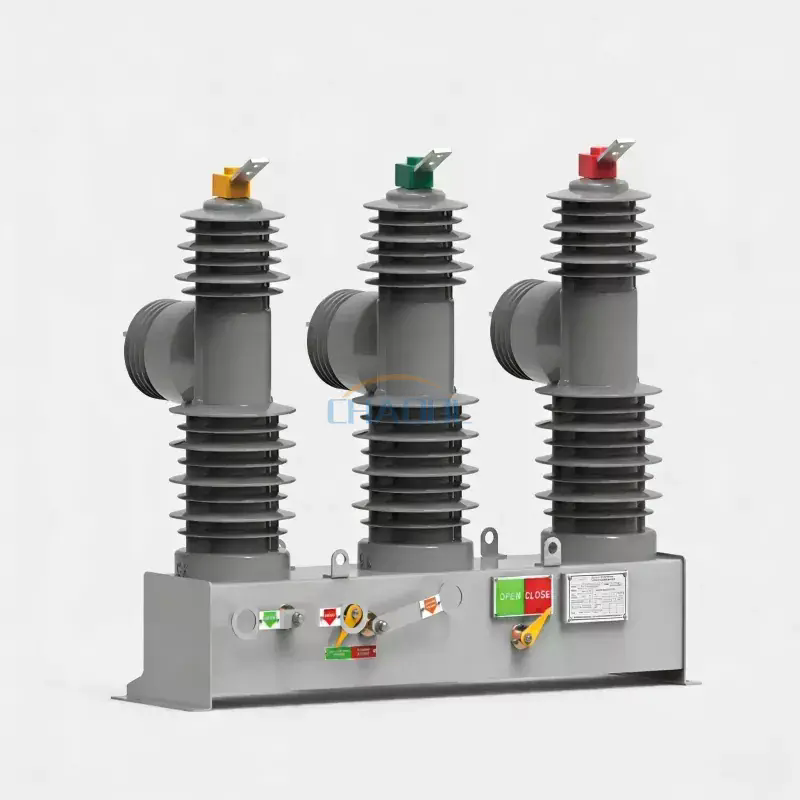
Q4: Can high voltage circuit breakers be used outdoors?
A: Yes, many designs are specifically engineered for outdoor substations with weather-resistant enclosures.


8. Contact Us

Choosing the right high voltage circuit breaker is essential for ensuring safety, efficiency, and long-term reliability in your power system. Anqiang Power offers advanced, high-performance solutions tailored to meet diverse industrial and utility requirements.

If you are looking for a reliable supplier or need technical guidance for your project, contact us to get expert support, detailed product information, and customized solutions that match your operational needs.

Related News
Leave me a message
X
We use cookies to offer you a better browsing experience, analyze site traffic and personalize content. By using this site, you agree to our use of cookies. Privacy Policy
Reject Accept