News

How Does a Disconnect Switch Improve Electrical Safety and Maintenance Efficiency?

2026-03-16 0 Leave me a message

Electrical systems power factories, buildings, and critical infrastructure, but they also introduce risks during inspection, maintenance, and equipment replacement. One of the most important protective devices used to control these risks is the disconnect switch. It provides a clear and reliable way to isolate electrical circuits from power sources, ensuring safe working conditions for technicians and preventing accidental energization.

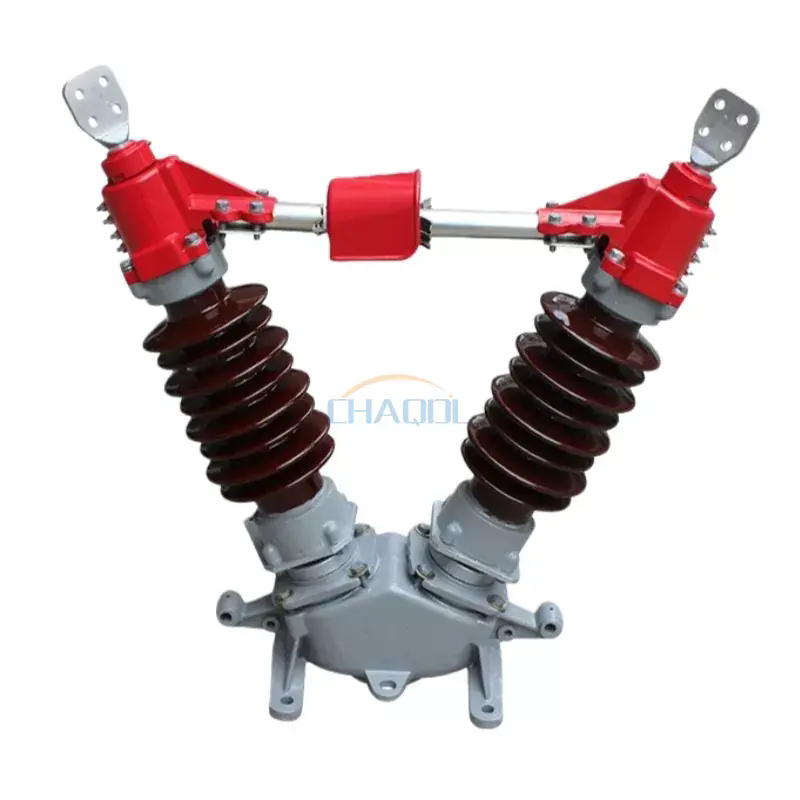
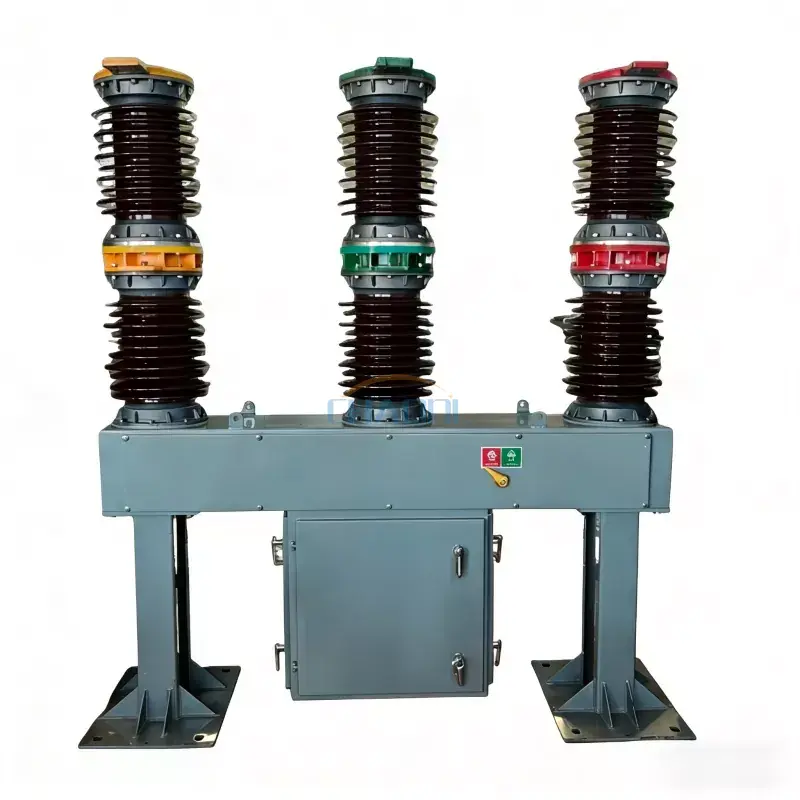
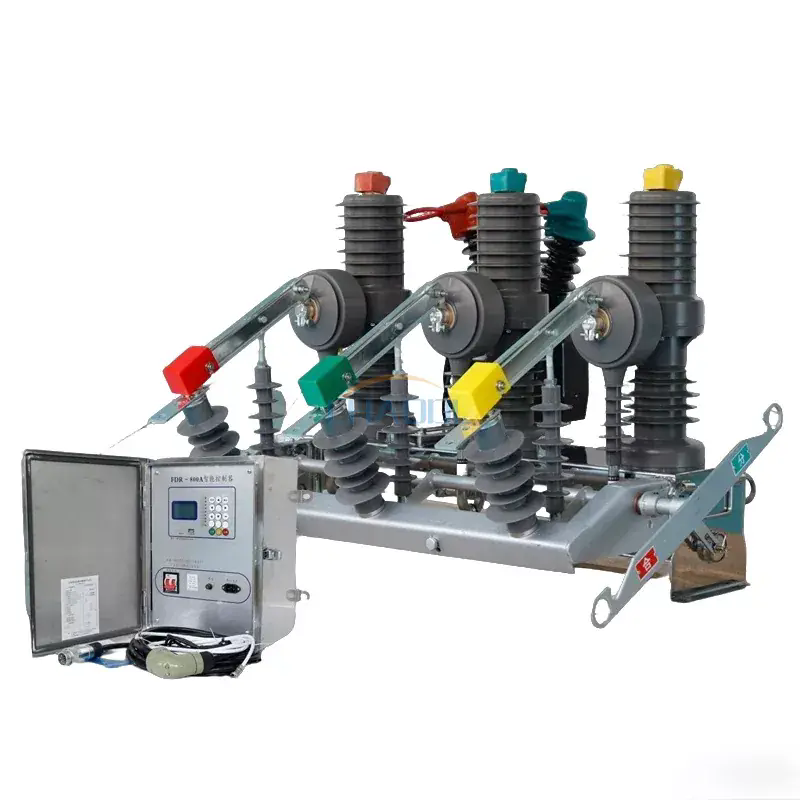
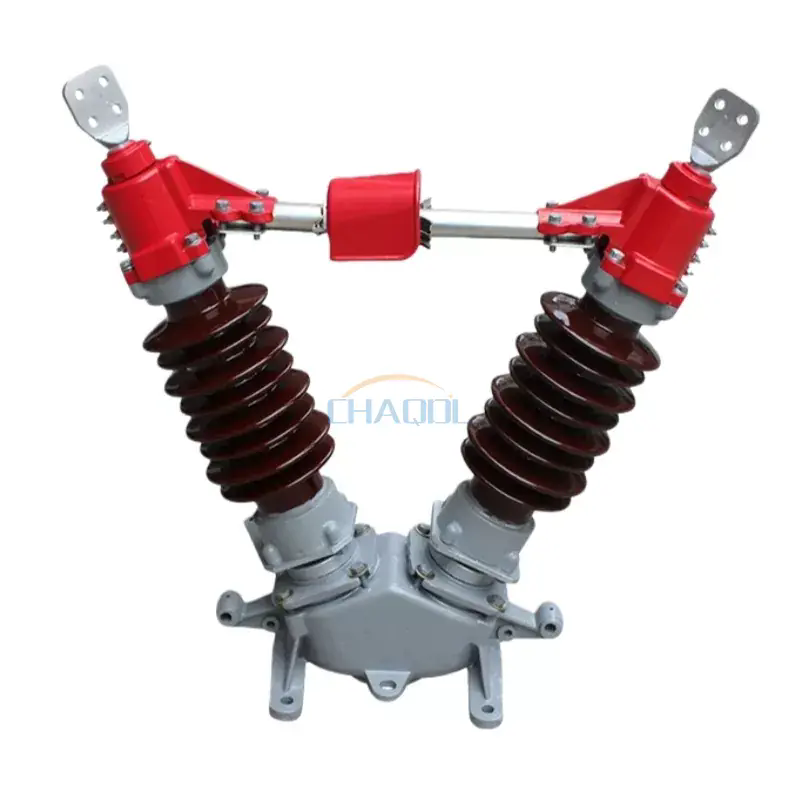
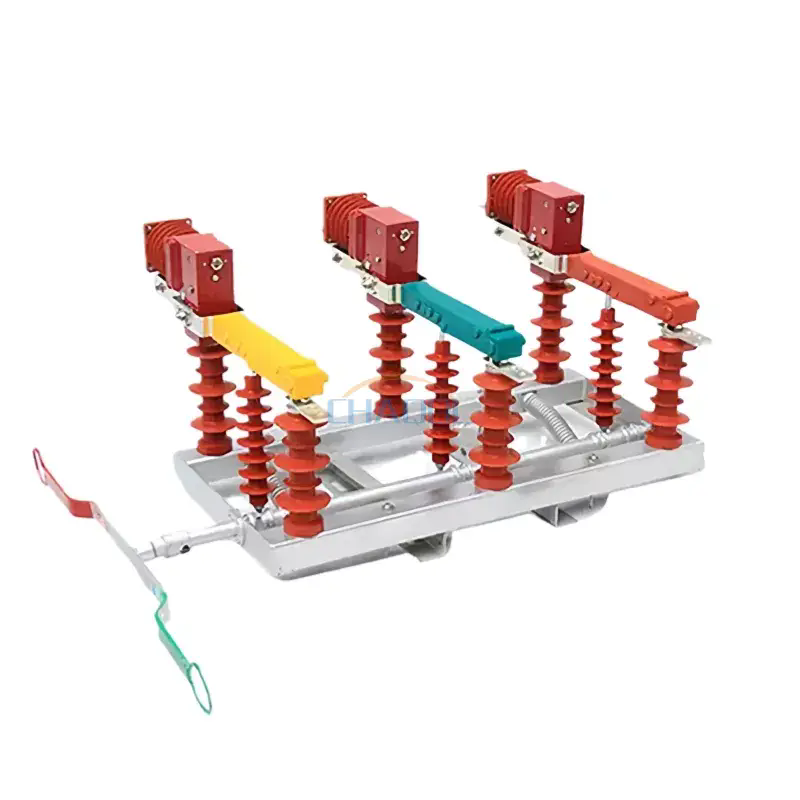
40.5KV Outdoor Disconnecting Switch

Many facility managers and engineers face common challenges such as unexpected equipment startup, complicated maintenance procedures, and safety compliance requirements. A properly designed disconnect switch solves these issues by offering a simple yet highly effective method of isolating electrical equipment. In industrial environments, reliability and clarity of operation are essential.

This article explains how a disconnect switch works, why it is essential for electrical safety, and how organizations can choose the right model for their systems.


Article Summary

A disconnect switch is a mechanical switching device designed to isolate electrical circuits from their power sources. It allows operators to completely cut off power during maintenance or emergency situations. This guide explores the operating principle, types, major applications, and key considerations when selecting a disconnect switch for industrial or commercial environments.


Table of Contents

  • Understanding the Role of a Disconnect Switch
  • How a Disconnect Switch Works
  • Main Components of a Disconnect Switch
  • Typical Applications Across Industries
  • Key Advantages for Electrical Safety
  • Technical Parameters to Consider
  • How to Select the Right Disconnect Switch
  • Common Installation and Maintenance Practices
  • FAQ
  • Conclusion

Understanding the Role of a Disconnect Switch

A disconnect switch is designed to physically separate electrical equipment from its power supply. Unlike circuit breakers that automatically trip during faults, disconnect switches are primarily used for manual isolation. They ensure that no current flows through a circuit when technicians are performing maintenance.

Industrial power systems often contain high-voltage or high-current equipment. Even a small operational mistake can lead to severe hazards. By creating a visible gap in the electrical circuit, disconnect switches give technicians confidence that power has been safely isolated.

Facilities that commonly rely on disconnect switches include:

  • Manufacturing plants
  • Electrical substations
  • Renewable energy installations
  • Commercial buildings
  • Data centers

Manufacturers such as Anqiang develop disconnect switches designed to handle demanding industrial environments while maintaining simple and reliable operation.


How a Disconnect Switch Works

The operating principle of a disconnect switch is straightforward. It uses mechanical contacts to either connect or separate an electrical circuit. When the switch is opened, the conductive path between the power source and equipment is completely interrupted.

The process typically follows these steps:

  1. The operator rotates or pulls the switch handle.
  2. The internal contact blades move away from the stationary contacts.
  3. A visible air gap forms between the contacts.
  4. The circuit becomes electrically isolated.

Because the isolation is visible and mechanical, technicians can clearly verify that power has been disconnected. This feature is particularly important in high-voltage environments where safety verification is critical.


Main Components of a Disconnect Switch

Although designs may vary depending on voltage rating and application, most disconnect switches contain several key components.

Component Function
Operating Handle Allows manual control to open or close the switch
Contact Blades Conductive elements that connect or disconnect the electrical circuit
Insulating Base Supports components and prevents unintended current flow
Arc Shields Help suppress arcs during switching operations
Enclosure Protects the switch from dust, moisture, and environmental damage

High-quality disconnect switches are designed with durable materials to ensure long service life and reliable switching performance.


Typical Applications Across Industries

Disconnect switches are widely used in electrical infrastructure where equipment must be safely isolated for service or inspection. Their simple design makes them suitable for a broad range of environments.

Common application areas include:

  • Industrial machinery control systems
  • Solar photovoltaic installations
  • Electrical distribution panels
  • Transformer isolation systems
  • Motor control centers

For example, in solar power plants, disconnect switches allow technicians to isolate photovoltaic arrays before performing maintenance. In manufacturing facilities, they prevent unexpected motor startup during servicing.


Key Advantages for Electrical Safety

Implementing disconnect switches in electrical systems provides several important safety and operational benefits.

  • Clear power isolation – provides visible confirmation that equipment is de-energized
  • Improved maintenance safety – protects technicians during repairs
  • Operational simplicity – easy manual operation without complex mechanisms
  • Compliance with safety standards – required in many industrial electrical codes
  • Reliable long-term performance – mechanical design ensures durability

These advantages explain why disconnect switches remain a fundamental component in electrical distribution systems worldwide.


Technical Parameters to Consider

When evaluating disconnect switches for industrial use, several technical parameters should be carefully examined.

Parameter Description
Rated Voltage Maximum voltage level the switch can safely handle
Rated Current Continuous current capacity of the device
Number of Poles Indicates how many circuits can be disconnected simultaneously
Protection Level Degree of resistance to dust and moisture
Mechanical Life Total number of operating cycles the switch can perform

Selecting appropriate parameters ensures that the disconnect switch will perform reliably within the specific electrical system.


How to Select the Right Disconnect Switch

Choosing the correct disconnect switch requires understanding the operational requirements of the electrical installation.

The following factors should be considered:

  • Voltage and current ratings of the circuit
  • Indoor or outdoor installation conditions
  • Environmental factors such as temperature and humidity
  • Ease of operation and lockout capability
  • Compliance with electrical safety regulations

Working with experienced manufacturers like Anqiang can help ensure that the selected disconnect switch matches the technical requirements and safety expectations of the installation.


Common Installation and Maintenance Practices

Proper installation and routine inspection significantly extend the service life of disconnect switches.

  • Install the switch in an accessible location for emergency operation
  • Ensure correct wiring connections and insulation clearances
  • Check contact surfaces regularly for wear or corrosion
  • Verify mechanical movement remains smooth and secure
  • Perform periodic functional testing

Regular maintenance ensures that the switch continues to provide reliable electrical isolation throughout its operating life.


FAQ

1. What is the main purpose of a disconnect switch?

The primary purpose is to isolate electrical equipment from its power source. This ensures that maintenance personnel can safely work on systems without risk of electrical shock or unexpected startup.

2. What is the difference between a disconnect switch and a circuit breaker?

A circuit breaker automatically interrupts current during faults, while a disconnect switch is mainly used for manual isolation and maintenance safety.

3. Can disconnect switches be used in outdoor environments?

Yes. Many disconnect switches are designed with weather-resistant enclosures that allow safe operation in outdoor electrical installations such as substations or solar farms.

4. Are disconnect switches required by electrical safety standards?

Many industrial electrical standards require disconnect switches for equipment isolation to protect workers and ensure safe maintenance procedures.


Conclusion

Disconnect switches play a critical role in electrical safety by providing a dependable method for isolating power sources during inspection and maintenance. Their mechanical design ensures clear separation of circuits, protecting both equipment and personnel from electrical hazards.

From industrial machinery and renewable energy systems to commercial electrical panels, disconnect switches remain an essential part of modern electrical infrastructure. Selecting high-quality equipment ensures reliable operation and long-term safety.

If you are searching for a reliable disconnect switch solution, Anqiang provides durable products designed for demanding electrical applications. For detailed specifications, technical consultation, or product inquiries, contact us today to find the most suitable disconnect switch for your project.

Related News
Leave me a message
X
We use cookies to offer you a better browsing experience, analyze site traffic and personalize content. By using this site, you agree to our use of cookies. Privacy Policy
Reject Accept