News

How Does an Indoor High Voltage Circuit Breaker Ensure Electrical Safety in Power Systems?

2026-03-10 0 Leave me a message

Article Summary

Modern power distribution systems require reliable protection equipment capable of interrupting faults instantly and maintaining operational stability. An Indoor High Voltage Circuit Breaker plays a vital role in protecting electrical networks from overloads, short circuits, and equipment failures. Installed within switchgear cabinets or substations, this device automatically disconnects faulty circuits to prevent damage, fire hazards, and system downtime.

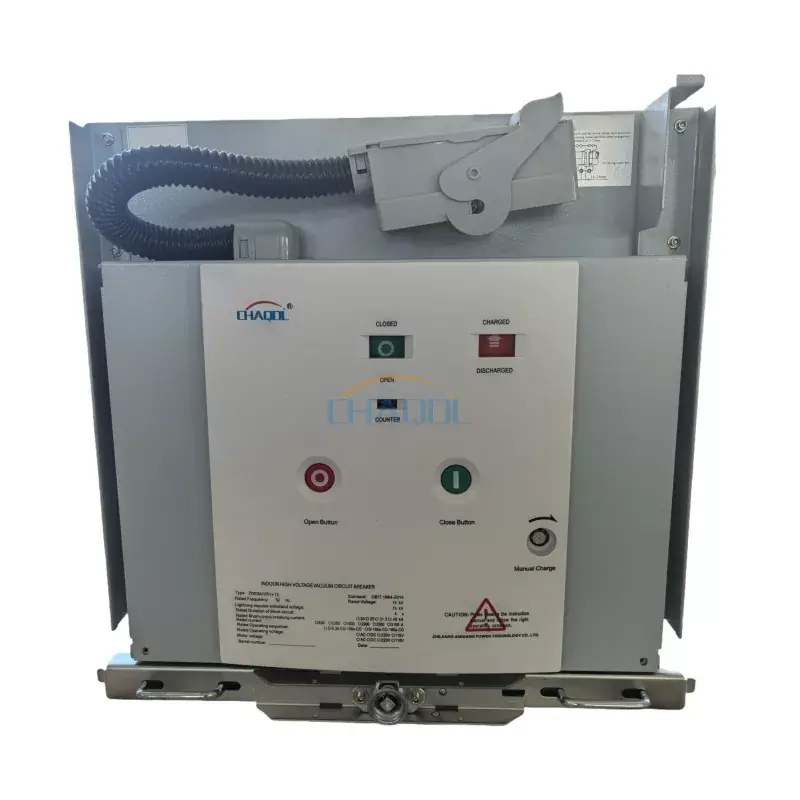
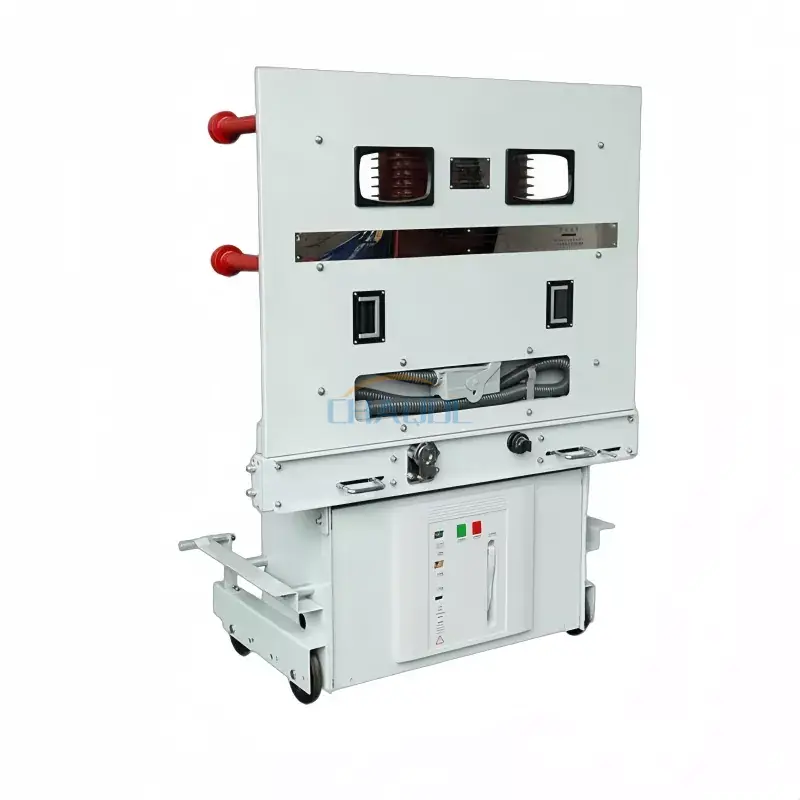
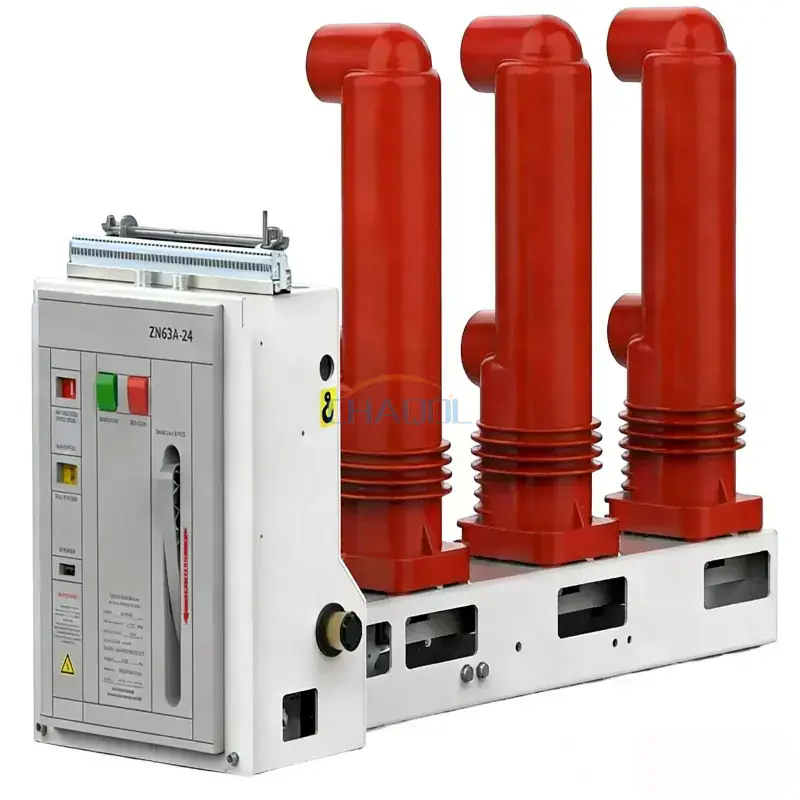
12kV Withdrawable Indoor Circuit Breaker

This article explains how an Indoor High Voltage Circuit Breaker works, its structural components, advantages, technical parameters, and how to choose the right solution for industrial and commercial power systems. The goal is to help engineers, procurement managers, and facility operators understand how to improve electrical safety and system reliability.


Table of Contents

  • Introduction to Indoor High Voltage Circuit Breakers
  • How an Indoor High Voltage Circuit Breaker Works
  • Main Structural Components
  • Key Technical Parameters
  • Advantages of Indoor High Voltage Circuit Breakers
  • Applications in Modern Power Systems
  • How to Choose the Right Indoor High Voltage Circuit Breaker
  • Maintenance and Safety Considerations
  • FAQ
  • Conclusion

Introduction to Indoor High Voltage Circuit Breakers

Electrical power systems operate under complex conditions where sudden faults can cause severe damage to equipment and infrastructure. An Indoor High Voltage Circuit Breaker is designed to interrupt high-voltage electrical currents under both normal and abnormal conditions. Unlike outdoor breakers, these devices are specifically installed inside electrical rooms, switchgear cabinets, or substations.

The main function of this device is to quickly isolate faulty circuits while maintaining the stability of the rest of the power network. When abnormal currents occur, the breaker automatically opens the circuit, preventing overheating, equipment destruction, and potential electrical fires.

Manufacturers such as Anqiang Power develop advanced indoor high voltage circuit breakers that combine high interrupting capacity, mechanical durability, and reliable insulation technology. These breakers are widely used in industrial facilities, utility substations, and commercial buildings.


How an Indoor High Voltage Circuit Breaker Works

The operation of an Indoor High Voltage Circuit Breaker is based on rapid fault detection and mechanical switching mechanisms. The process involves several coordinated steps to safely interrupt the electrical current.

  • Fault Detection – Protective relays detect abnormal current conditions such as short circuits or overloads.
  • Signal Transmission – The relay sends a tripping signal to the circuit breaker mechanism.
  • Contact Separation – The breaker opens its internal contacts to interrupt the current flow.
  • Arc Extinguishing – Special arc-extinguishing technology eliminates the electrical arc generated during interruption.
  • Circuit Isolation – The faulty section of the electrical system is isolated to prevent further damage.

High-voltage breakers must perform this process within milliseconds. Fast response ensures system stability and prevents cascading failures in large power networks.


Main Structural Components

Indoor High Voltage Circuit Breakers consist of several precision-engineered components designed for durability and electrical performance.

Component Function
Fixed and Moving Contacts Conduct electricity and separate quickly during fault interruption.
Arc Extinguishing Chamber Suppresses and extinguishes the electrical arc generated during switching.
Operating Mechanism Mechanical or spring-driven system responsible for opening and closing the breaker.
Insulation System Prevents leakage current and maintains electrical isolation.
Control Circuit Receives signals from protection relays and initiates tripping operations.

Modern breakers often incorporate vacuum interruption technology, which significantly improves arc suppression efficiency and service life.


Key Technical Parameters

When selecting an Indoor High Voltage Circuit Breaker, understanding its technical specifications is essential. The following parameters are commonly used to evaluate breaker performance.

Parameter Description
Rated Voltage Maximum voltage level the breaker can operate safely under.
Rated Current Continuous current the breaker can carry without overheating.
Short-Circuit Breaking Capacity Maximum fault current the breaker can safely interrupt.
Mechanical Life Total number of switching operations the breaker can perform.
Insulation Level Ability to withstand overvoltage and maintain system safety.

High-performance models developed by manufacturers like Anqiang Power are engineered to meet demanding industrial standards and provide long-term operational reliability.


Advantages of Indoor High Voltage Circuit Breakers

Indoor high voltage circuit breakers offer several advantages compared with traditional protection devices.

  • High Safety Performance – Fast fault interruption protects equipment and personnel.
  • Compact Installation – Designed to fit within switchgear cabinets and indoor substations.
  • Low Maintenance Requirements – Vacuum technology reduces wear and mechanical damage.
  • Reliable Operation – Stable performance even under heavy load conditions.
  • Long Service Life – Durable construction ensures thousands of switching operations.

These advantages make indoor high voltage breakers essential components in modern electrical infrastructure.


Applications in Modern Power Systems

Indoor High Voltage Circuit Breakers are widely used across many sectors where stable power distribution is critical.

  • Power generation plants
  • Urban substations
  • Industrial manufacturing facilities
  • Commercial complexes
  • Renewable energy power stations
  • Mining and heavy industry

In these environments, electrical systems often operate at high load levels. Reliable protection equipment is essential to ensure continuous operation and minimize unexpected downtime.


How to Choose the Right Indoor High Voltage Circuit Breaker

Selecting the appropriate circuit breaker requires careful evaluation of several factors. A well-chosen breaker ensures both operational safety and long-term cost efficiency.

  • Voltage Rating Compatibility – Ensure the breaker matches the system voltage level.
  • Interrupting Capacity – Choose a breaker capable of handling the maximum short-circuit current.
  • Installation Environment – Consider temperature, humidity, and installation space.
  • Mechanical Reliability – Evaluate the mechanical life and operating mechanism.
  • Manufacturer Reputation – Choose reliable suppliers such as Anqiang Power that provide high-quality engineering support.

A properly selected breaker not only protects equipment but also improves the overall reliability of the electrical network.


Maintenance and Safety Considerations

Although modern breakers require minimal maintenance, routine inspections are still necessary to maintain optimal performance.

  • Inspect contact wear and insulation condition regularly.
  • Verify the operating mechanism for smooth movement.
  • Test protection relay coordination periodically.
  • Clean internal components to prevent dust accumulation.
  • Ensure proper lubrication of mechanical parts.

Preventive maintenance reduces the risk of unexpected equipment failure and extends the operational lifespan of the breaker.


FAQ

What is the difference between indoor and outdoor high voltage circuit breakers?

Indoor breakers are designed for installation inside electrical rooms or switchgear cabinets, while outdoor breakers are built to withstand environmental conditions such as rain, dust, and temperature variations.

Why is arc extinguishing important in high voltage circuit breakers?

When electrical contacts separate, an arc forms due to the high voltage. Arc extinguishing technology ensures the arc is quickly suppressed, preventing damage to the breaker and maintaining system safety.

How long does an indoor high voltage circuit breaker last?

With proper maintenance, high-quality breakers can perform tens of thousands of switching operations and operate reliably for many years in industrial environments.


Conclusion

An Indoor High Voltage Circuit Breaker is a critical component in modern electrical power systems. By rapidly interrupting fault currents and isolating damaged circuits, it protects valuable equipment and ensures operational safety. From industrial plants to urban substations, these devices play an essential role in maintaining reliable power distribution.

Advanced solutions developed by Anqiang Power provide durable construction, high breaking capacity, and dependable performance for demanding electrical applications. Choosing the right circuit breaker can significantly improve the safety and efficiency of your power infrastructure.

If you are looking for reliable Indoor High Voltage Circuit Breaker solutions or need technical guidance for your power system project, contact us today. Our professional team will help you select the most suitable equipment to ensure safe and efficient electrical operation.


Related News
Leave me a message
X
We use cookies to offer you a better browsing experience, analyze site traffic and personalize content. By using this site, you agree to our use of cookies. Privacy Policy
Reject Accept