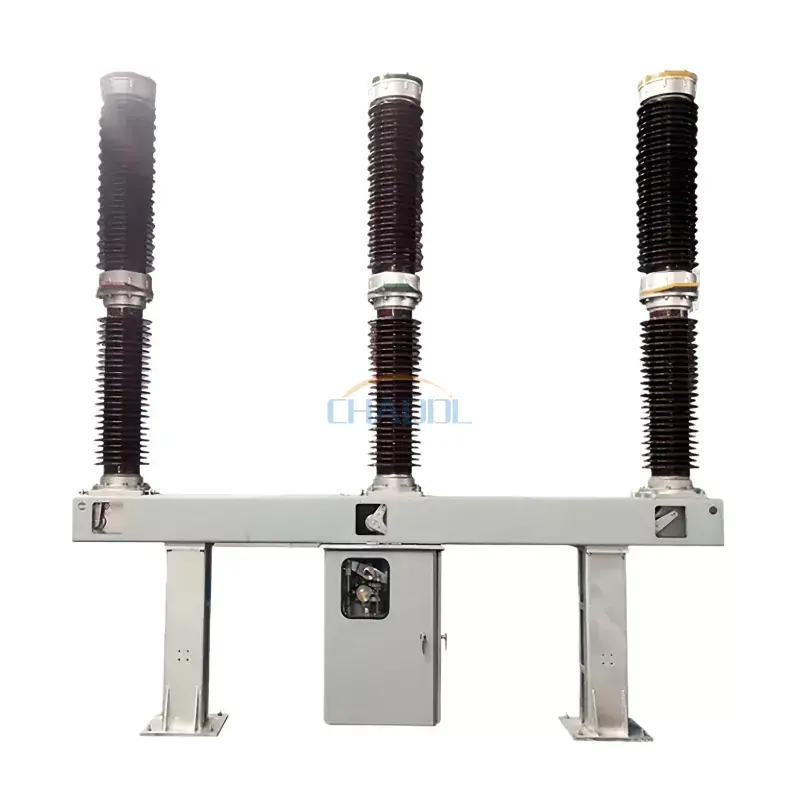
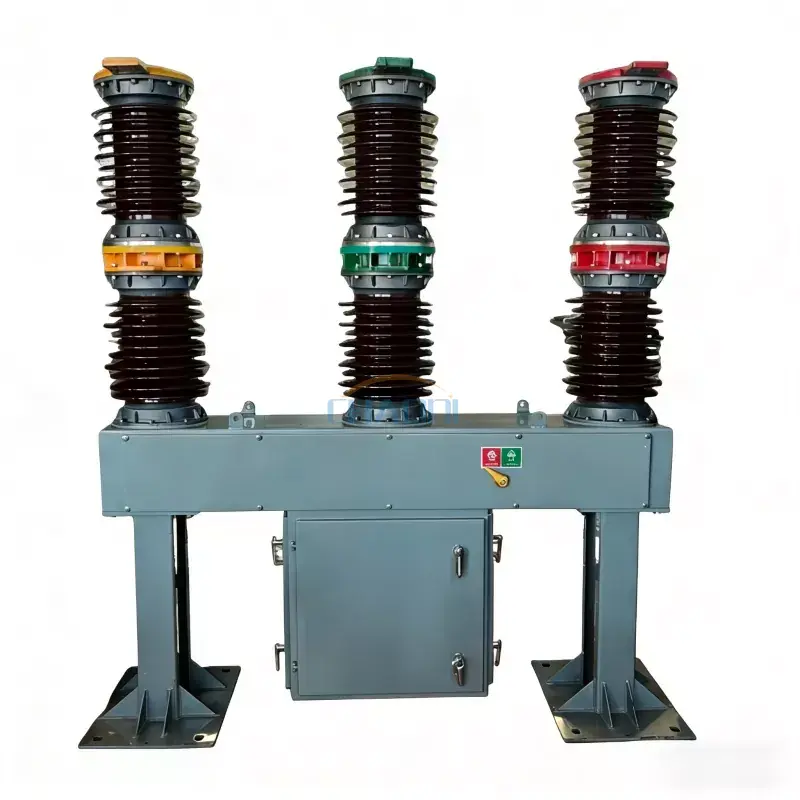
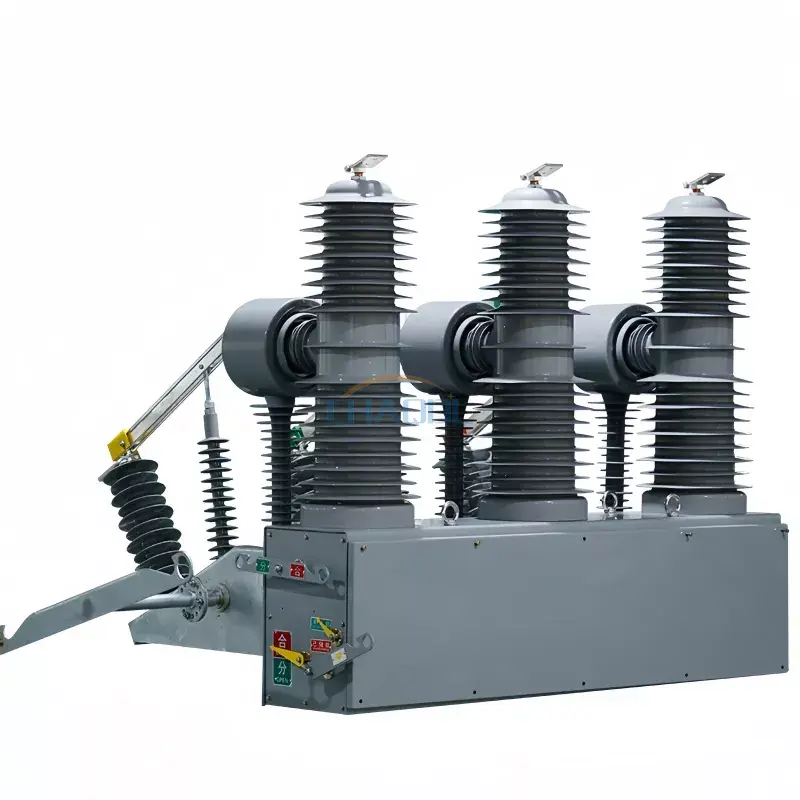
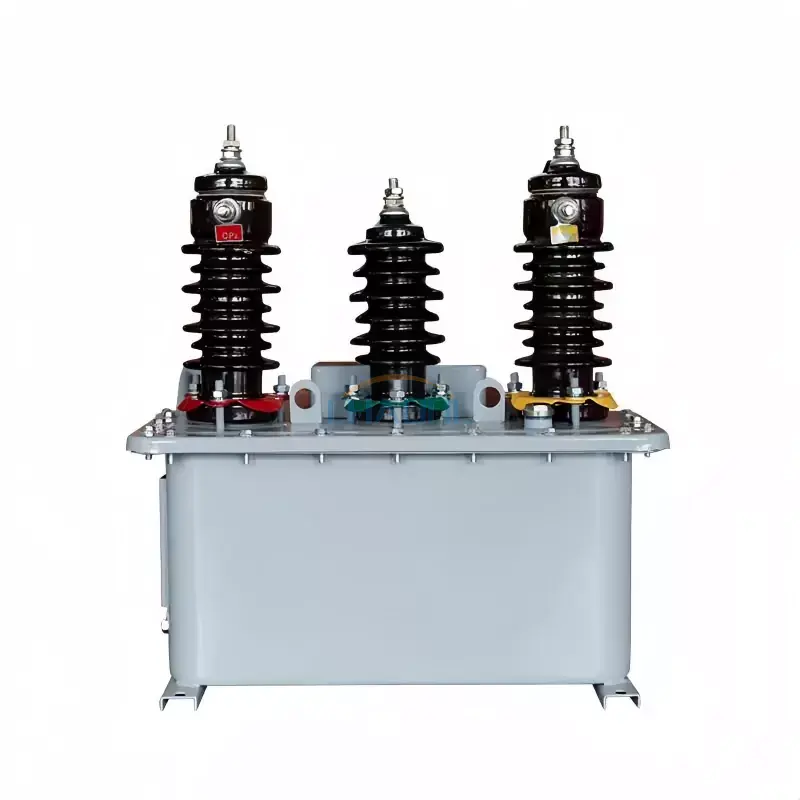
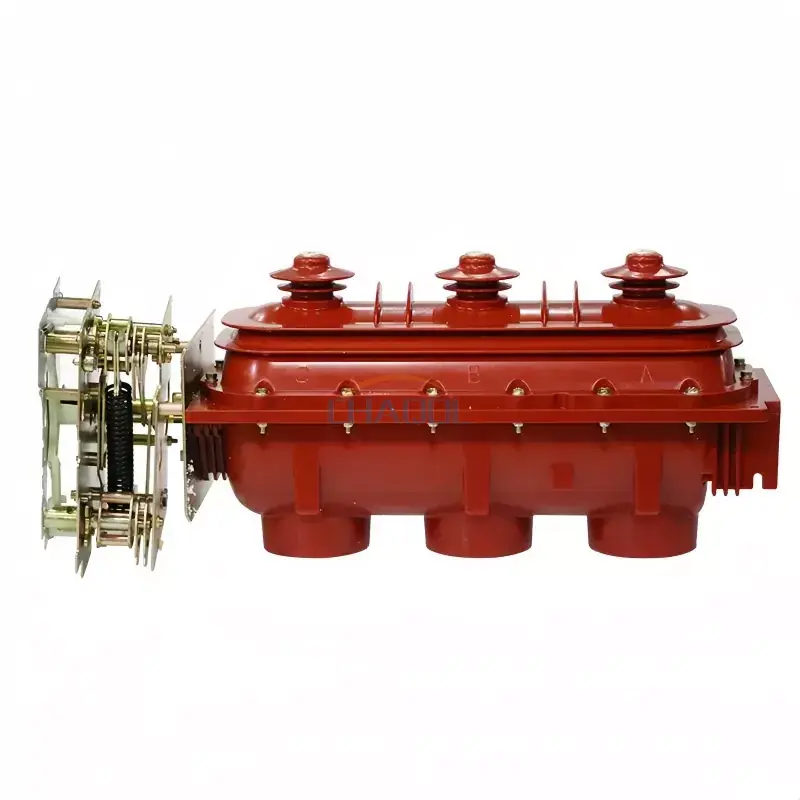
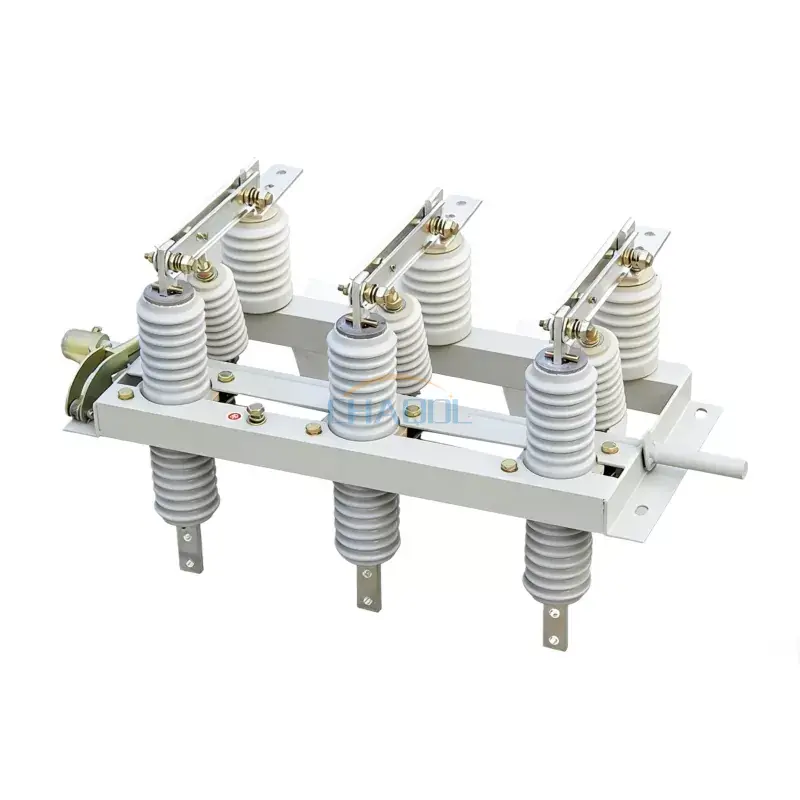
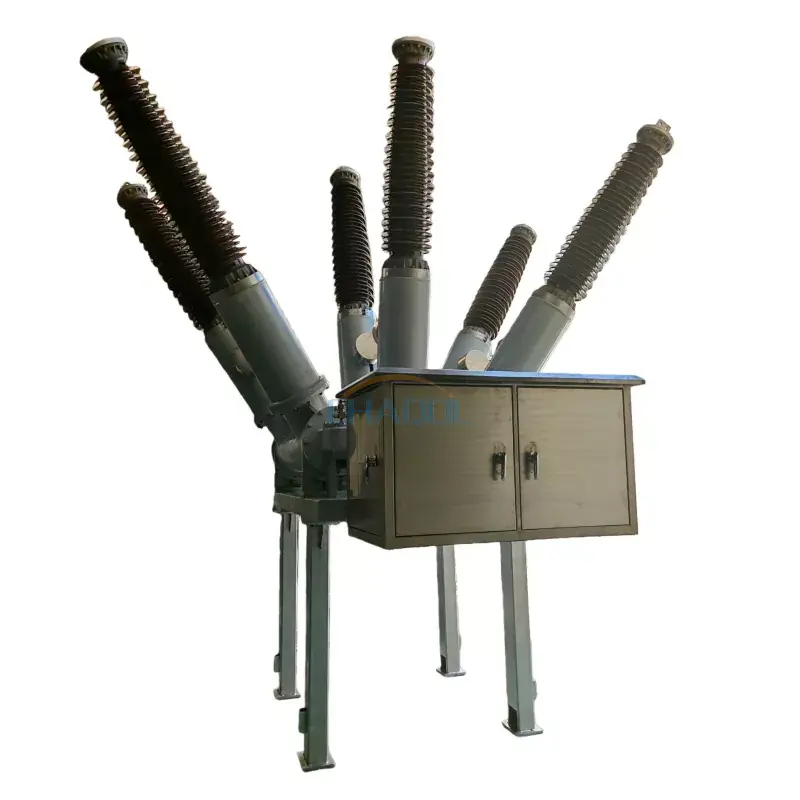
Outdoor 126KV SF6 Gas Circuit Breaker
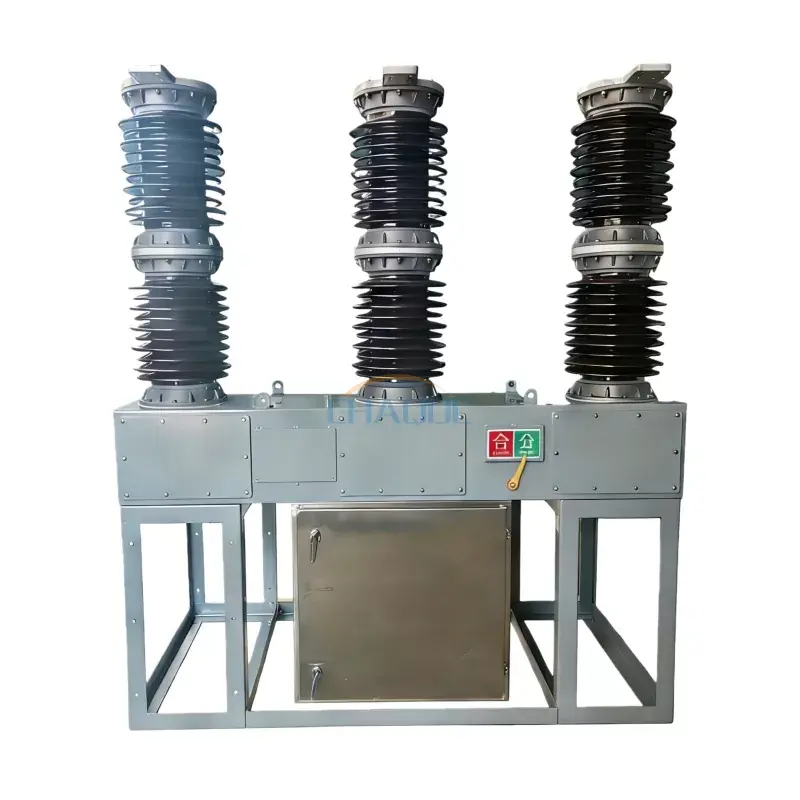
The Outdoor 126KV SF6 Gas Circuit Breaker is designed for high voltage transmission networks where reliable switching performance, environmental durability, and long service life are essential. Developed for outdoor substations, this breaker combines SF6 gas insulation technology with advanced arc interruption design to provide stable fault clearing and safe power system operation under demanding climatic conditions.
Unlike indoor switchgear solutions, outdoor high voltage breakers must withstand direct exposure to rain, dust, temperature variations, pollution, and mechanical stress. The 126kV outdoor SF6 circuit breaker adopts a weather-resistant structure, sealed gas system, and reinforced insulation design to ensure dependable operation throughout its service lifecycle.
Based on proven LW36-126 platform technology, this outdoor switching solution is suitable for transmission substations, transformer protection, renewable energy grid connections, and utility networks requiring high reliability and minimum maintenance.
Designed for Harsh Outdoor Substation Environments
Outdoor substations face challenges including humidity, salt contamination, temperature fluctuations, and lightning exposure. This SF6 gas circuit breaker is engineered with specialized insulation and protection features to maintain electrical performance even under severe operating conditions.
-
Weatherproof Construction: A sealed enclosure protects operating components from moisture, dust, and corrosion.
-
High Pollution Resistance: Porcelain or composite insulators provide extended creepage distance for coastal and industrial environments.
-
Stable SF6 Insulation System: Temperature-compensated gas density monitoring maintains reliable insulation performance.
-
Low Maintenance Operation: Sealed SF6 chambers reduce inspection frequency and improve lifecycle efficiency.
-
Transmission Grade Reliability: Designed for continuous operation in utility and large industrial power networks.
Advanced SF6 Arc Interruption Technology
The breaker uses a puffer-type SF6 interrupter structure to generate efficient gas flow during fault interruption. When the contacts separate, the compressed SF6 gas rapidly extinguishes the arc and restores insulation strength, allowing safe interruption of high fault currents.
The operating mechanism can be configured with a motor-charged spring system or hydraulic drive depending on project requirements. Both solutions provide consistent switching performance, fast operation time, and reliable mechanical endurance exceeding 10,000 CO operations.
A temperature-compensated SF6 density monitor continuously supervises gas condition. Two-stage protection logic provides early warning and locking protection when gas pressure falls below safe operating limits, preventing incorrect switching operations.
Key Advantages of Outdoor 126KV SF6 Circuit Breaker
-
Rated voltage up to 126kV for transmission applications
-
Short-circuit interruption capability up to 40kA
-
Self-contained SF6 insulation and arc extinguishing system
-
Outdoor enclosure designed for extreme weather conditions
-
Composite or porcelain insulation options for different environments
-
Low SF6 leakage design for extended maintenance intervals
-
Spring or hydraulic operating mechanism options
-
Anti-pumping and trip-free protection functions
-
Compatible with AIS substations and digital monitoring systems
-
IEC 62271-100 compliant design and testing
Technical Specifications
|
Parameter
|
Specification
|
|
Rated Voltage
|
126 kV
|
|
Rated Frequency
|
50 / 60 Hz
|
|
Rated Normal Current
|
2000 A / 3150 A
|
|
Rated Short-Circuit Breaking Current
|
31.5 kA / 40 kA
|
|
Rated Short-Circuit Making Current
|
80 kA / 100 kA peak
|
|
Short-Time Withstand Current
|
31.5 kA / 40 kA (3 seconds)
|
|
SF6 Gas Pressure at 20°C
|
0.6 MPa
|
|
Operating Mechanism
|
Spring mechanism / Hydraulic mechanism
|
|
Operating Sequence
|
O-0.3s-CO-180s-CO
|
|
Mechanical Endurance
|
10,000 CO operations
|
|
Creepage Distance Standard
|
≥25 mm/kV
|
|
Heavy Pollution Creepage Distance
|
≥31 mm/kV
|
|
Ambient Temperature
|
-40°C to +50°C
|
|
Altitude Capability
|
≤1000m (higher altitude customization available)
|
|
Seismic Capability
|
0.5g ground acceleration
|
|
Applicable Standards
|
IEC 62271-100, IEC 62271 series
|
Applications in High Voltage Power Systems
The Outdoor 126KV SF6 Gas Circuit Breaker is widely used in applications requiring dependable high voltage switching and fault protection.
-
Transmission substations
-
Transformer incoming and outgoing feeders
-
Overhead transmission line protection
-
Renewable energy grid connection projects
-
Industrial power plants
-
Utility distribution networks
-
Large infrastructure power systems
Customization and Quality Assurance
As a professional high voltage circuit breaker manufacturer, we provide customized solutions according to different grid requirements, installation environments, and protection schemes.
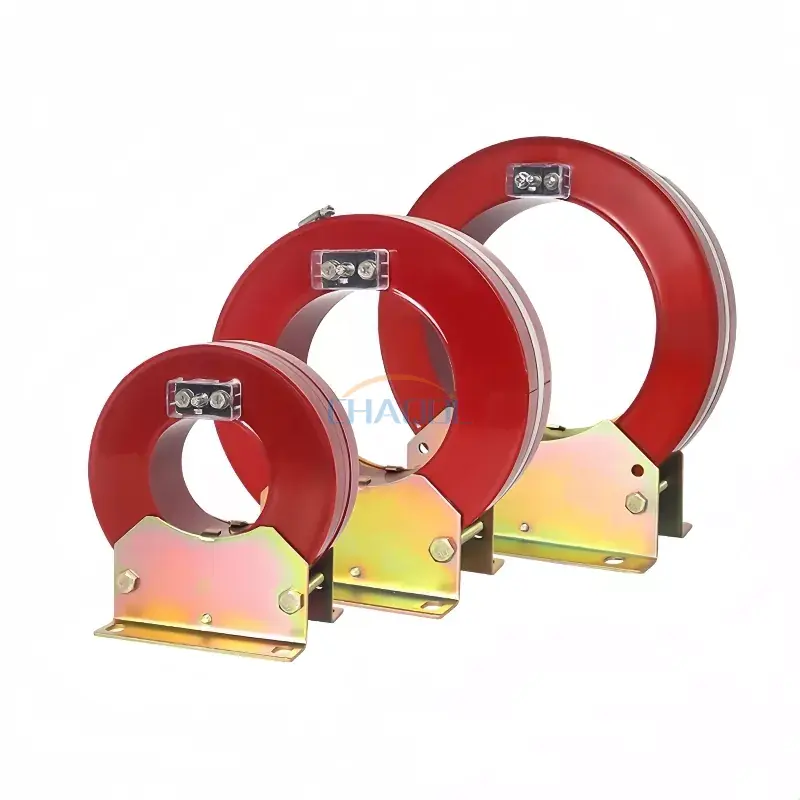
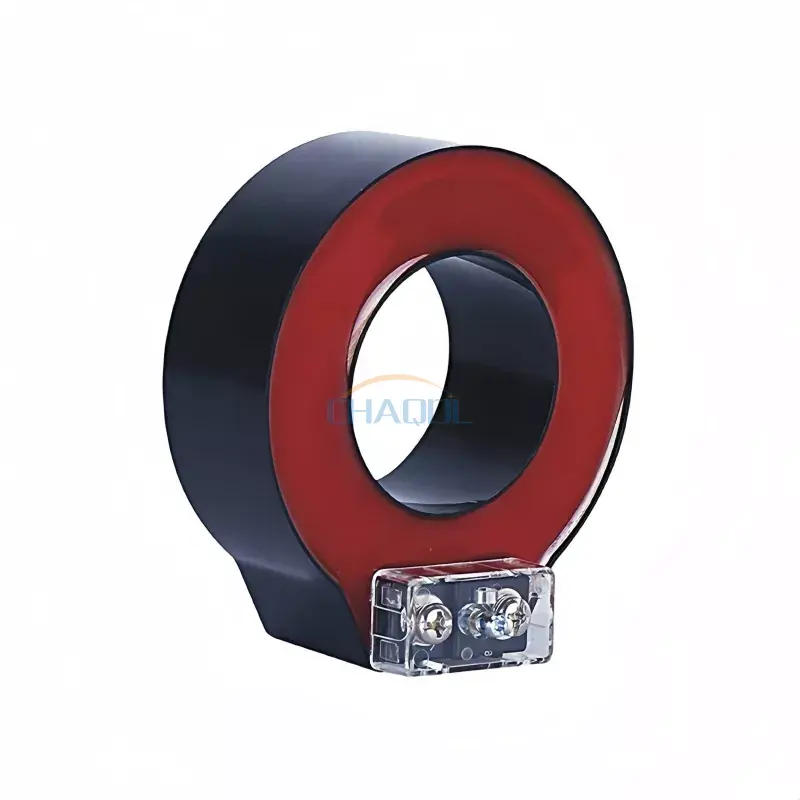
Available options include integrated current transformers, surge arresters, IEC 61850 communication modules, online monitoring systems, high-altitude configurations, heavy pollution insulation designs, and special mechanical structures for extreme environments.
Before shipment, every breaker undergoes comprehensive factory testing including insulation withstand testing, SF6 leakage inspection, contact resistance measurement, mechanical operation verification, and functional performance checks to ensure reliable field operation.
Frequently Asked Questions
What is an outdoor 126kV SF6 circuit breaker used for?
It is mainly used in high voltage transmission substations for transformer protection, transmission line switching, and fault current interruption.
Why choose SF6 technology for outdoor breakers?
SF6 provides excellent insulation strength and arc extinguishing capability, allowing compact design and reliable high voltage interruption performance.
Can this breaker be customized for harsh environments?
Yes. Options such as composite insulators, higher creepage distance, corrosion-resistant coating, and digital monitoring systems are available for special operating conditions.



 Whatsapp