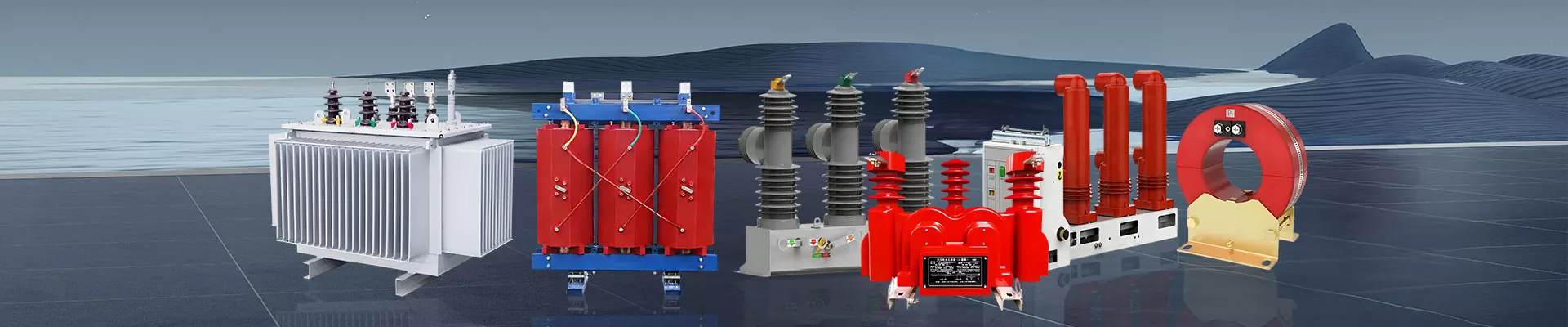
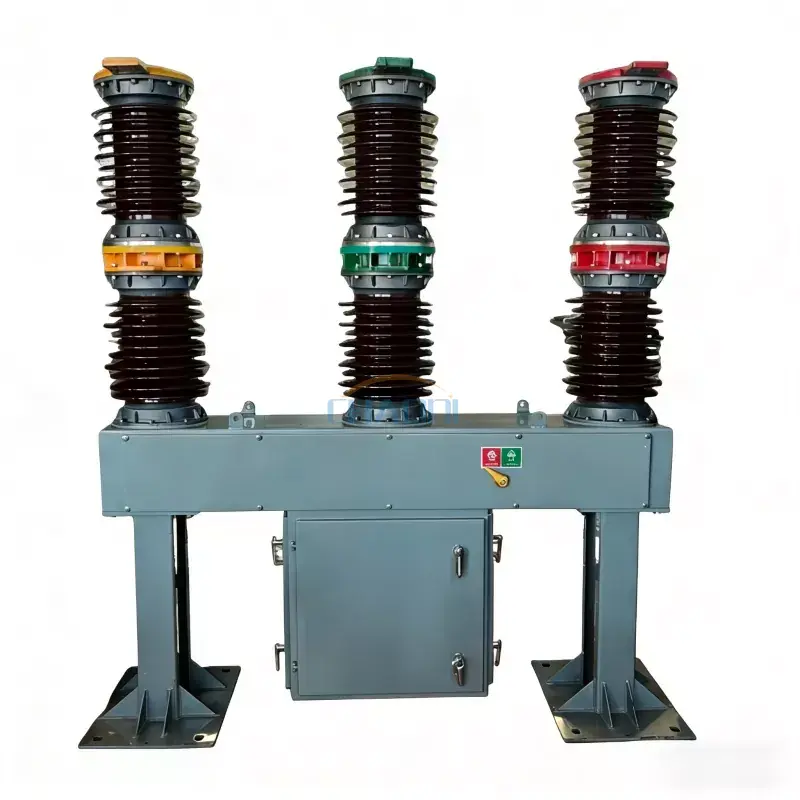
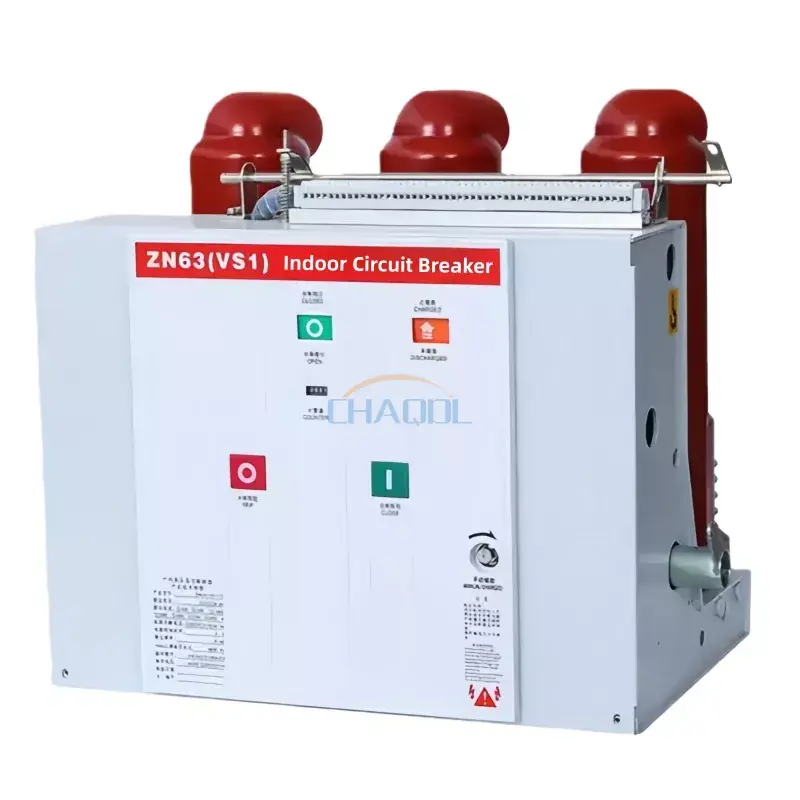
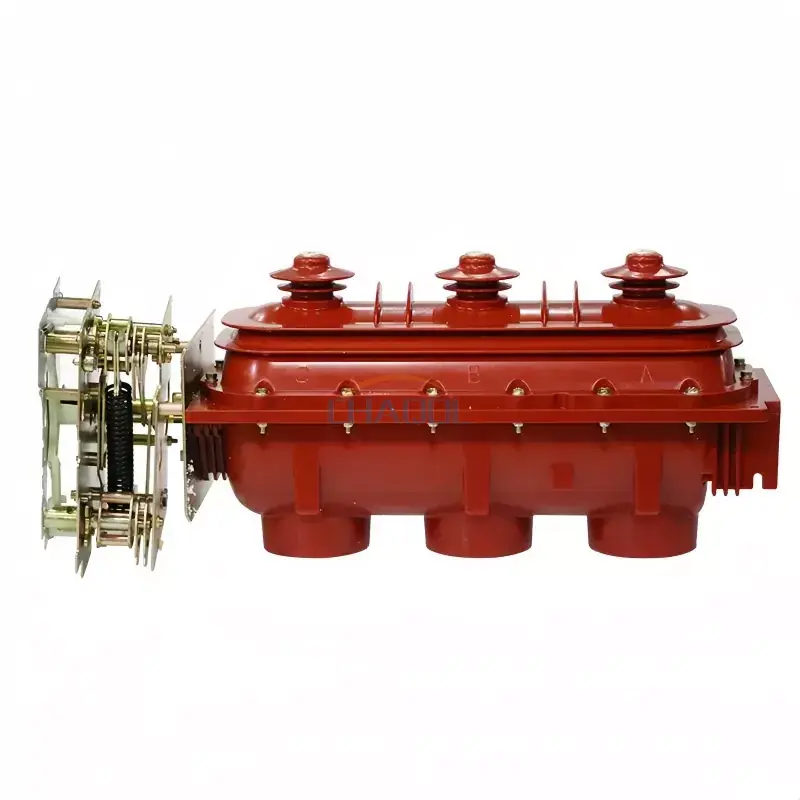
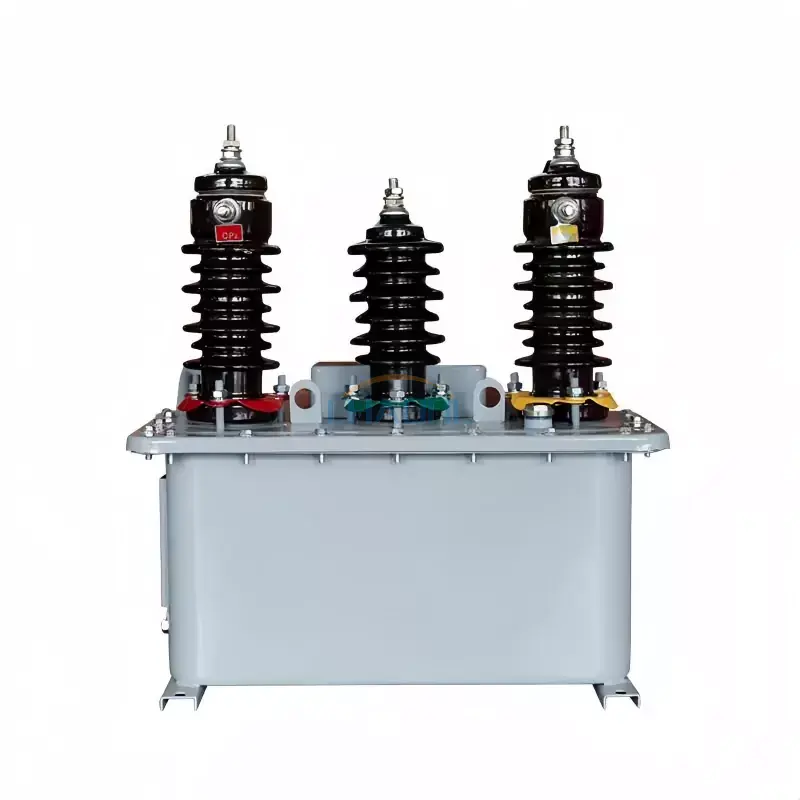
Substation Circuit Breaker
Substation Circuit Breaker: Reliable Protection Equipment for Modern Power Grid Infrastructure
A stable power grid depends on reliable switching and protection equipment capable of quickly isolating faults while maintaining continuous electricity supply. The Substation Circuit Breaker is a critical component installed in medium-voltage and high-voltage substations, protecting transformers, transmission lines, busbars, and other essential electrical equipment from overloads and short-circuit failures.
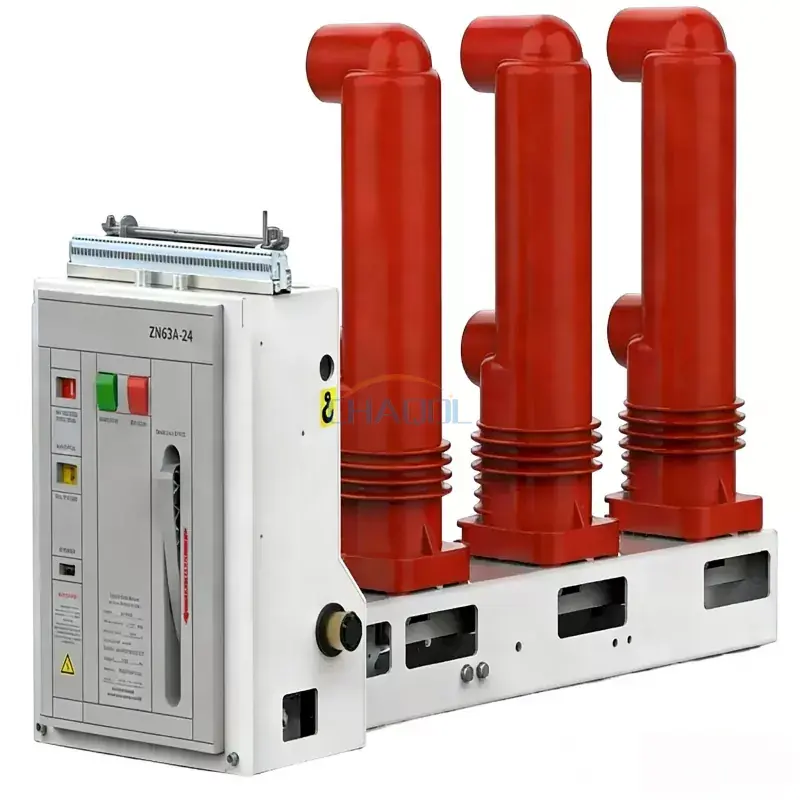
Designed for modern power distribution and transmission systems, our substation breakers combine advanced vacuum interruption technology, high mechanical endurance, and intelligent monitoring functions. Depending on project requirements, different configurations are available, including indoor switchgear installation and outdoor substation applications.
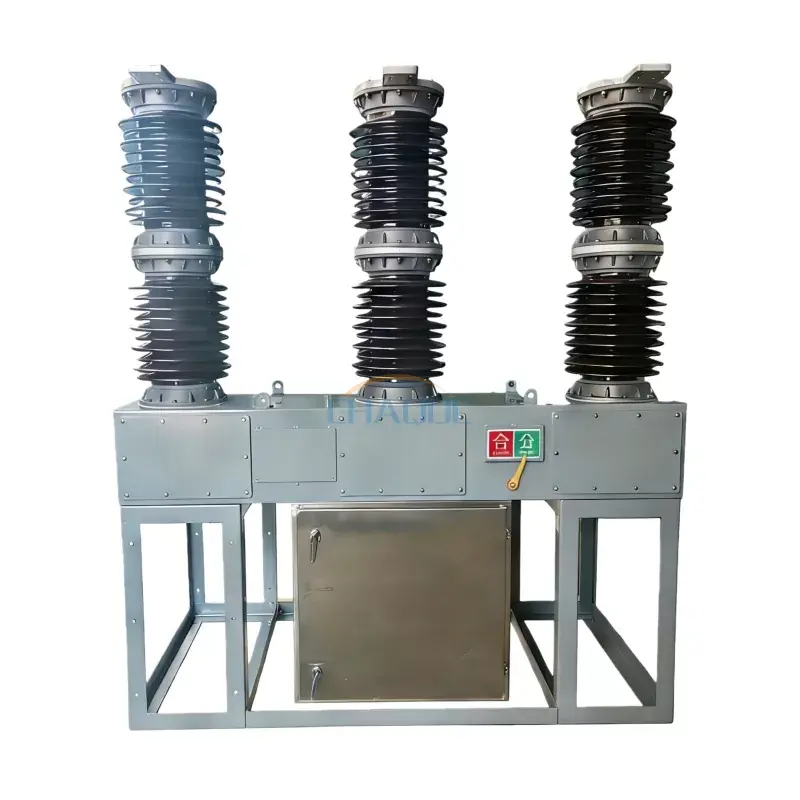
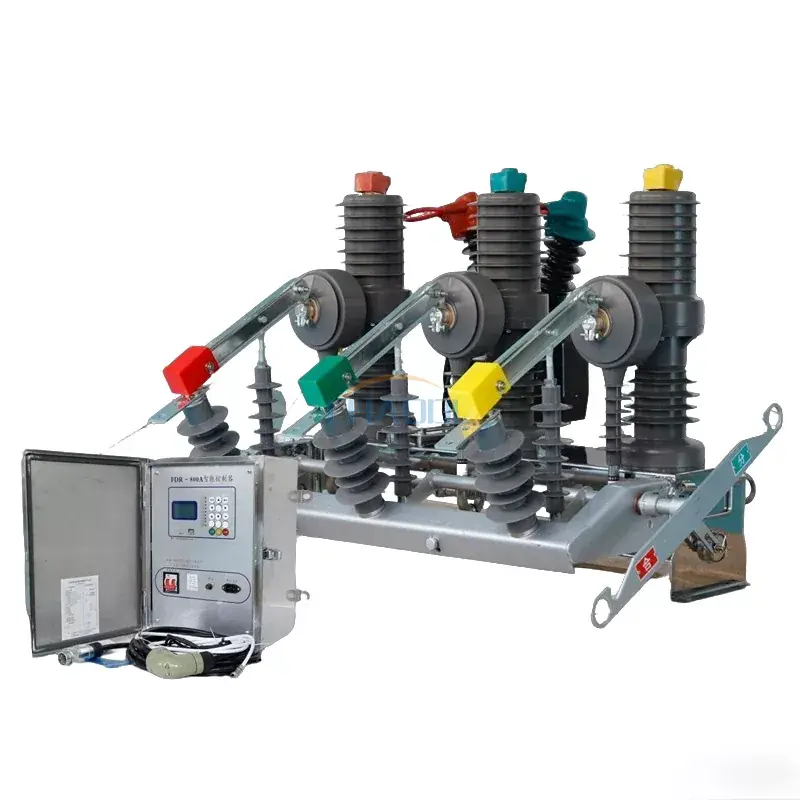
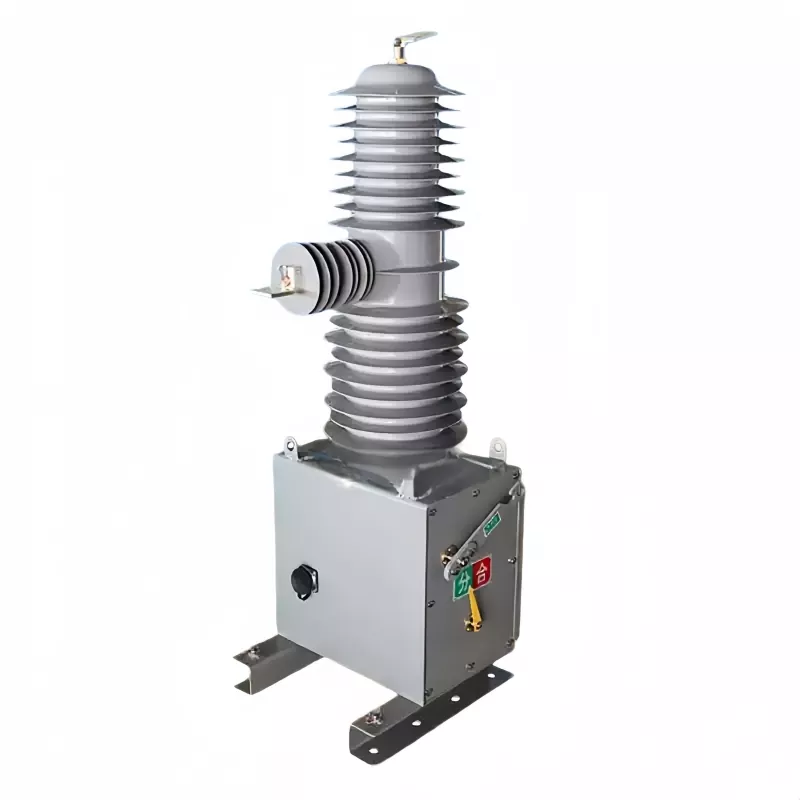
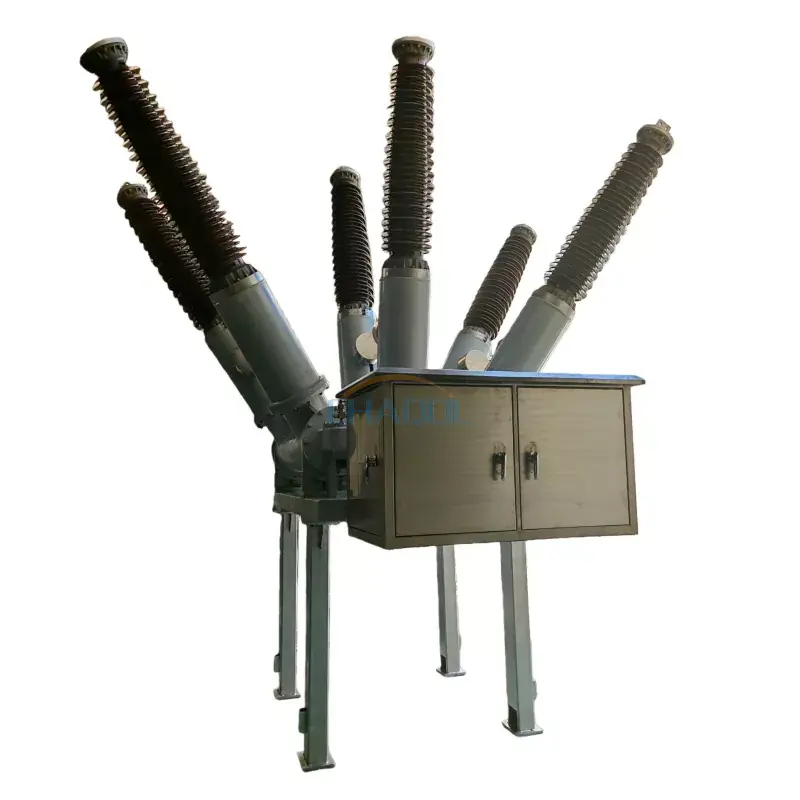
For medium-voltage applications, the 40.5KV Vacuum Circuit Breaker provides reliable fault interruption with low maintenance requirements. Outdoor substations can benefit from the durable design of the Outdoor Vacuum Circuit Breaker, while the 35KV Substation Circuit Breaker offers a balanced solution between installation flexibility and interrupting capability.
How Does a Substation Circuit Breaker Work?
The working principle of a Substation Circuit Breaker is based on rapid fault detection and controlled current interruption. Under normal conditions, the breaker maintains a stable electrical connection between power sources and distribution circuits.
When abnormal conditions such as short circuits, overloads, or earth faults occur, the protection relay sends a trip command to the operating mechanism. The contacts separate inside the vacuum interrupter, generating an arc that is quickly extinguished by the high dielectric strength of the vacuum environment.
This vacuum interruption process provides fast fault clearing, minimizes contact erosion, and avoids the use of oil or SF6 gas. As a result, vacuum-based substation breakers offer long service life, reduced maintenance requirements, and improved environmental performance.
Main Applications
The Substation Circuit Breaker is widely applied in power infrastructure projects where safe isolation and reliable switching are essential.
-
Utility distribution substations
-
Industrial power substations
-
Renewable energy collection stations
-
Commercial power distribution systems
-
Mining and heavy manufacturing facilities
-
Railway electrification power systems
-
Urban and rural grid modernization projects
Key Engineering Advantages
-
Advanced Vacuum Interruption Technology: Sealed vacuum interrupters provide reliable arc extinction without additional insulating gas or liquid media.
-
High Fault Current Protection: Designed to safely interrupt high short-circuit currents and protect critical substation equipment.
-
Long Mechanical Service Life: Optimized spring operating mechanisms support thousands of switching cycles with stable performance.
-
Low Maintenance Design: Lifetime-sealed interrupters eliminate gas pressure monitoring and regular filling operations.
-
Smart Grid Compatibility: Optional sensors and communication interfaces support SCADA systems and remote condition monitoring.
-
Flexible Installation: Available for indoor switchgear, outdoor platforms, and customized substation layouts.
Structural Design and Technical Features
The Substation Circuit Breaker adopts a modular structure designed for reliable operation throughout its service life. The main current path uses high-conductivity copper components with optimized contact design to reduce electrical losses and improve thermal performance.
-
Lifetime-sealed ceramic vacuum interrupter
-
Motor-charged spring operating mechanism
-
Silver-plated copper conductive components
-
Low-resistance main contact system
-
Mechanical position indicator and operation counter
-
Auxiliary contacts for protection and monitoring circuits
-
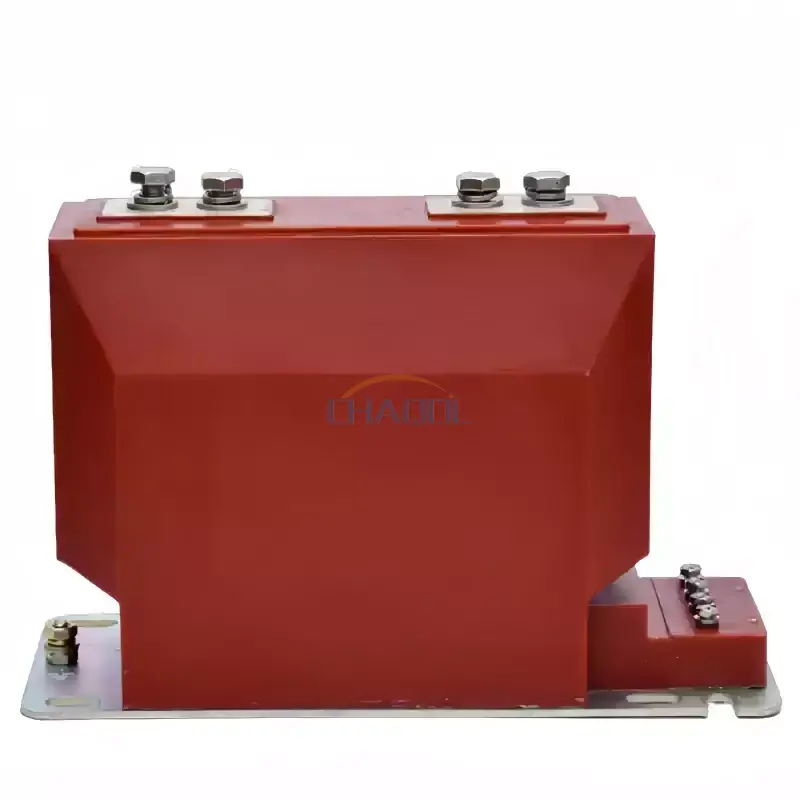
Optional CT integration for protection measurement
-
Remote control interface for substation automation
Technical Specifications
|
Parameter
|
Specification
|
|
Rated Voltage
|
12kV / 24kV / 36kV / 40.5kV
|
|
Rated Current
|
630A / 1250A / 2000A / 2500A / 3150A
|
|
Rated Short-Circuit Breaking Current
|
Up to 40kA
|
|
Rated Short-Circuit Making Current
|
Up to 100kA peak
|
|
Insulation Medium
|
Vacuum interruption with epoxy resin insulation
|
|
Power Frequency Withstand Voltage
|
95kV dry / 85kV wet
|
|
Lightning Impulse Withstand Voltage
|
185kV peak
|
|
Operating Sequence
|
O–0.3s–CO–3min–CO
|
|
Mechanical Endurance
|
≥10,000 operations
|
|
Control Voltage
|
110VDC / 220VDC / 110VAC / 230VAC
|
|
Power Consumption
|
<300W during charging, <50W standby
|
|
Protection Degree
|
IP55 Outdoor / IP4X Indoor
|
|
Operating Temperature
|
-40°C to +55°C
|
|
Applicable Standards
|
IEC 62271-100, GB 1984, ANSI/IEEE C37
|
Quality Testing
To guarantee reliable operation in demanding grid environments, every breaker is tested according to international standards before shipment. The testing process verifies electrical performance, mechanical reliability, and insulation strength.
-
Power frequency withstand test
-
Lightning impulse withstand test
-
Contact resistance measurement
-
Mechanical endurance testing
-
Opening and closing time verification
-
Protection circuit functional testing
Selection Guide
When selecting a suitable breaker for a substation project, engineers usually consider the following factors:
-
System voltage level and insulation requirements
-
Short-circuit capacity of the electrical network
-
Indoor or outdoor installation environment
-
Required automation and communication functions
-
Maintenance requirements and lifecycle cost
-
Compliance with IEC and local grid standards
Why Choose Our Substation Circuit Breaker?
We provide complete circuit breaker solutions for global power system projects, supporting engineering selection, customized specifications, technical documentation, and after-sales service.
-
Manufactured according to IEC international standards
-
Strict factory inspection before delivery
-
Customized voltage and current configurations
-
Professional technical support for installation and commissioning
-
Long-term spare parts and maintenance support
FAQ
Q1: What is a Substation Circuit Breaker?
A Substation Circuit Breaker is a protection device used in electrical substations to interrupt fault currents and isolate damaged sections of the power network.
Q2: Why are vacuum circuit breakers widely used in substations?
Vacuum circuit breakers provide excellent arc extinction, low maintenance requirements, and long operational life without using oil or SF6 gas.
Q3: What voltage ratings are available?
Typical ratings include 12kV, 24kV, 36kV, and 40.5kV, with customized solutions available for different grid requirements.
Q4: What standards does the breaker comply with?
The product is designed according to IEC 62271-100, GB 1984, and ANSI/IEEE C37 standards.



 Whatsapp