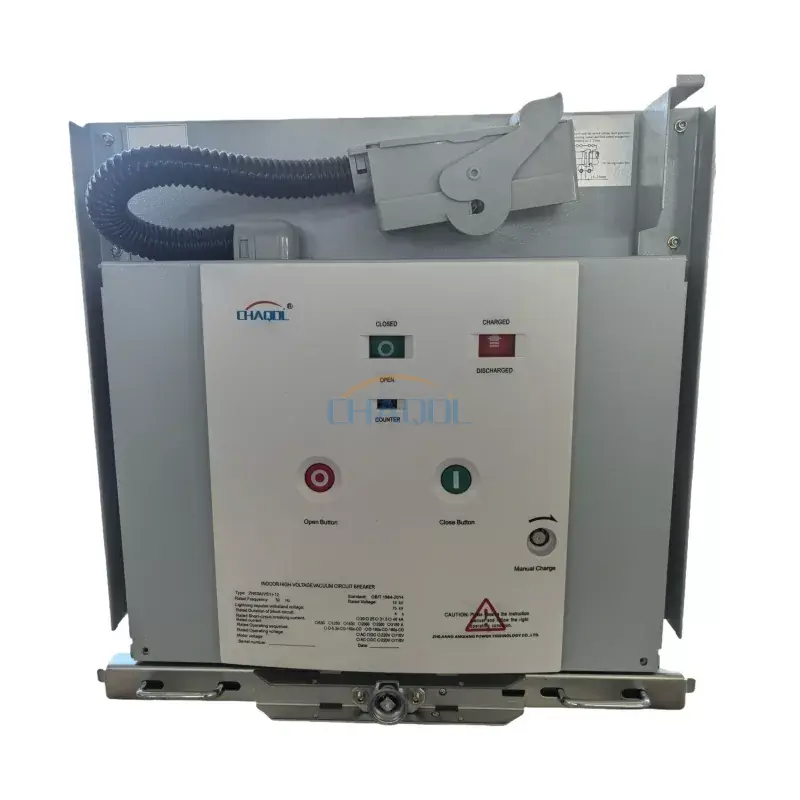
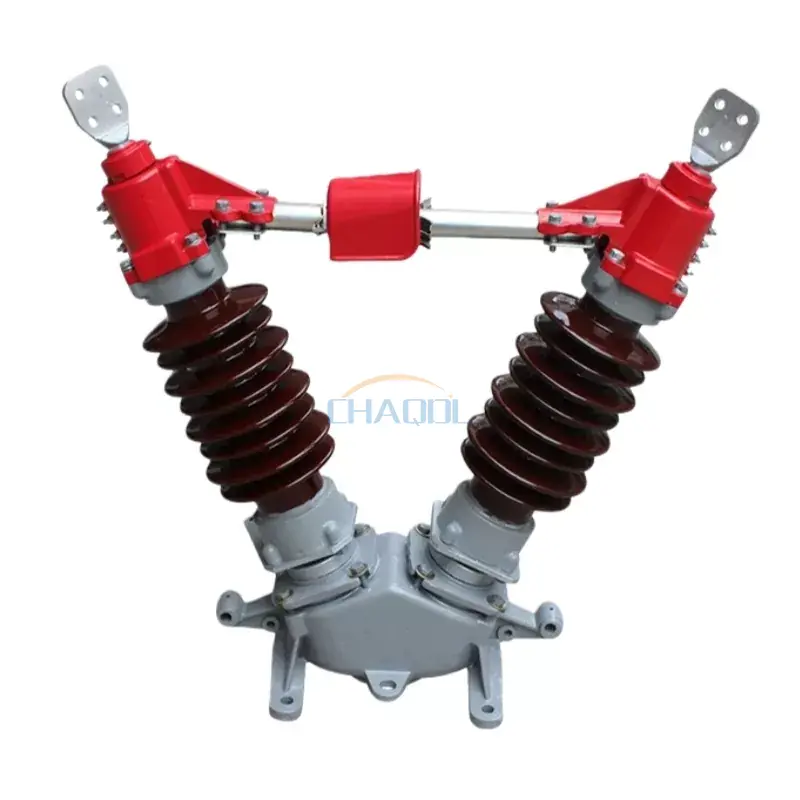
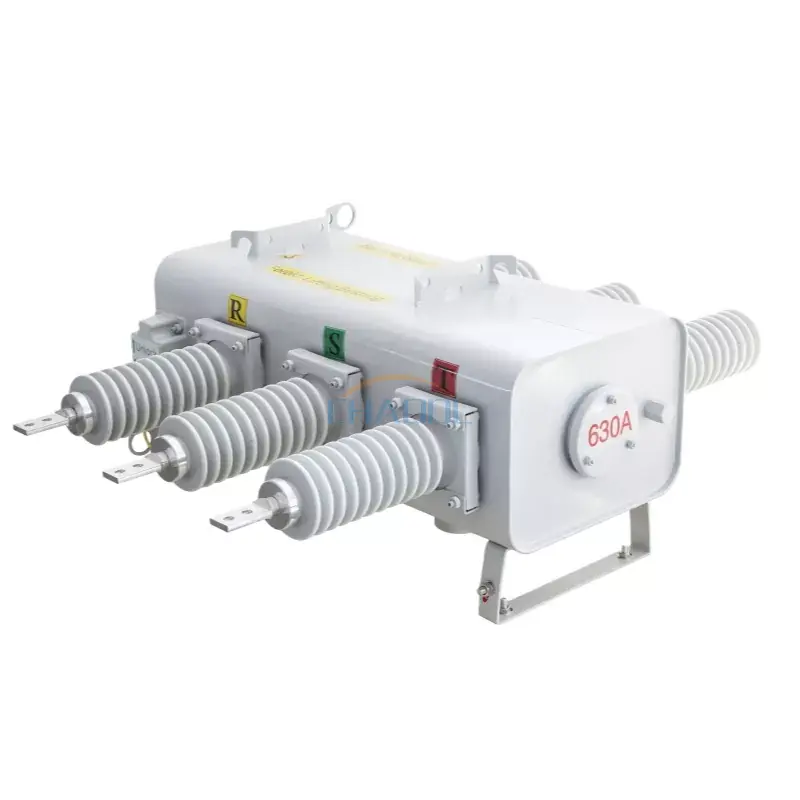
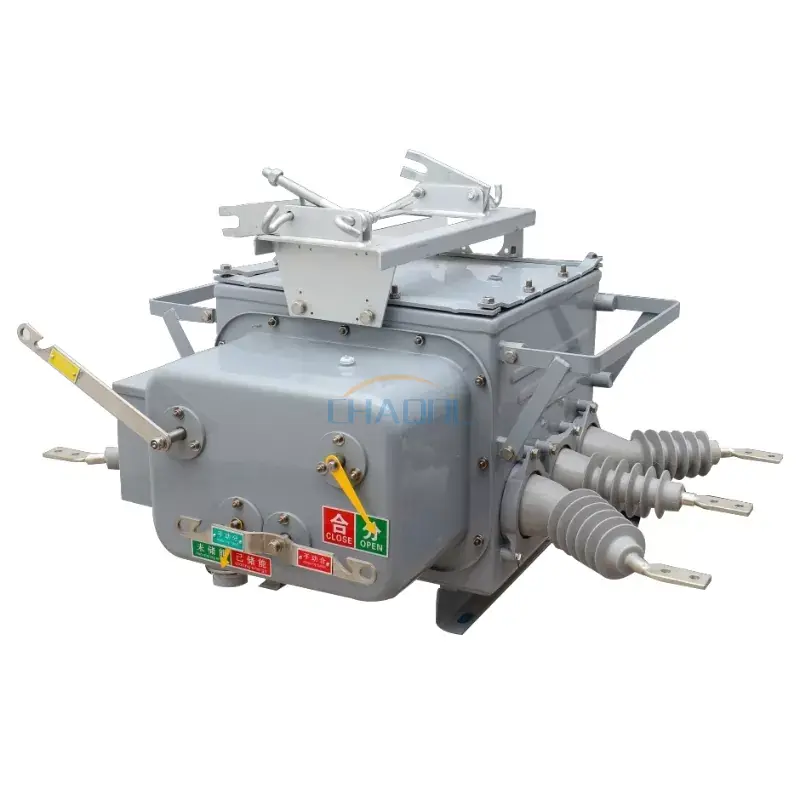
Outdoor High Voltage Circuit Breaker
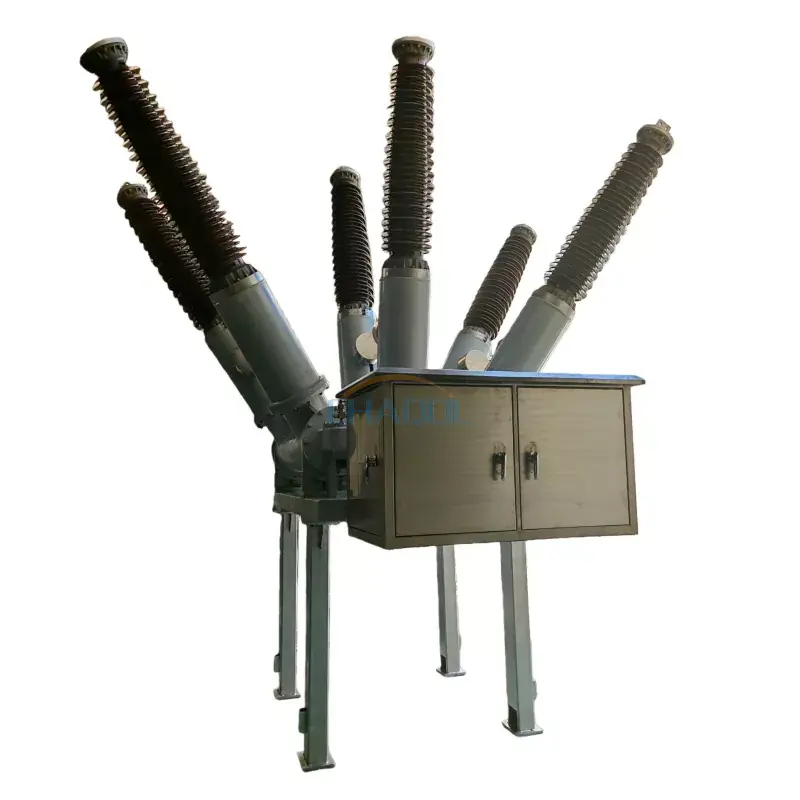
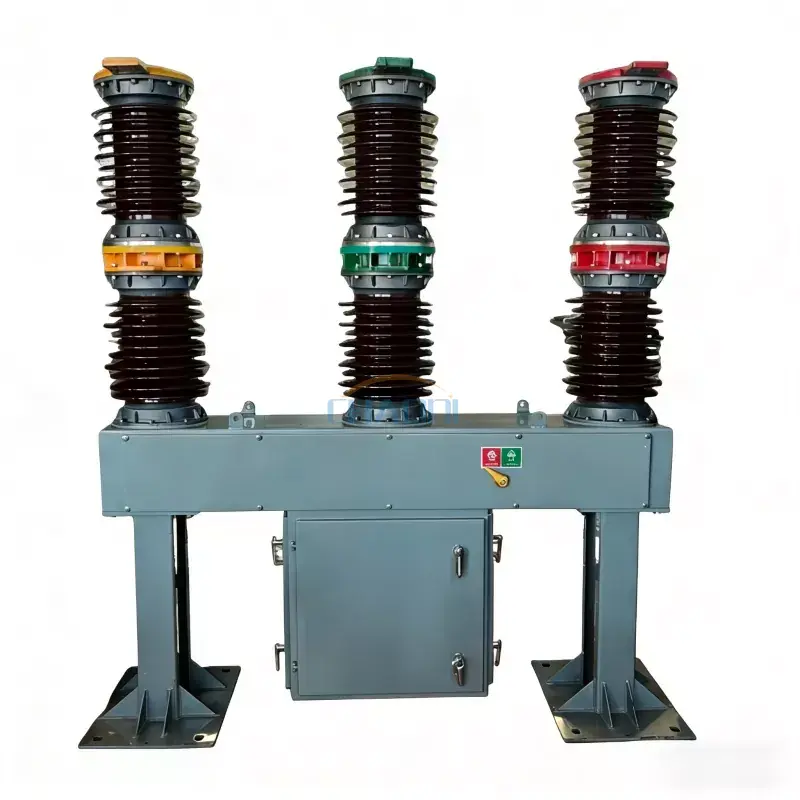
The Outdoor High Voltage Circuit Breaker is engineered to provide dependable switching and fault protection for outdoor substations, transmission feeders, industrial power networks, and renewable energy installations. Designed for continuous operation in exposed environments, this breaker combines advanced SF6 insulation technology, high-performance arc interruption, and a weather-resistant mechanical structure to ensure stable power system protection.
Unlike conventional indoor switching equipment, an outdoor high voltage circuit breaker must withstand changing weather conditions, pollution, humidity, and temperature fluctuations while maintaining precise operating performance. Our solution integrates sealed interrupter chambers, durable insulation components, and intelligent monitoring functions to reduce maintenance requirements and improve grid availability.
The product platform includes specialized configurations such as the 66KV SF6 Circuit Breaker, designed for reliable medium-voltage transmission applications, and the 66KV Outdoor SF6 Circuit Breaker, optimized for harsh outdoor installation conditions. For compact substations requiring integrated insulation performance, the 66KV Gas Insulated Circuit Breaker provides a space-efficient alternative.
Advanced Design Features for Outdoor Operation
The Outdoor High Voltage Circuit Breaker adopts a proven SF6 gas interruption system that rapidly extinguishes electrical arcs during fault conditions while maintaining excellent dielectric recovery after current interruption. Its optimized interrupter geometry reduces operating energy and extends mechanical service life.
-
Weather-resistant outdoor structure: Designed with corrosion-resistant metal frames and sealed control cabinets to withstand rain, dust, UV exposure, and coastal environments.
-
Reliable SF6 insulation system: The sealed gas compartment maintains stable dielectric performance with a low leakage rate, reducing gas maintenance frequency.
-
High-performance operating mechanism: Spring-spring or spring-hydraulic mechanisms provide fast opening and closing response with consistent switching reliability.
-
Enhanced insulation capability: Porcelain or composite bushings with extended creepage distance support operation in polluted industrial and coastal areas.
-
Compact installation design: The optimized structure reduces foundation requirements and simplifies outdoor substation layout planning.
-
Smart monitoring compatibility: Optional sensors support SF6 density monitoring, mechanism diagnostics, and integration with SCADA systems.
Technical Specifications
The following specifications represent a typical 66kV outdoor SF6 circuit breaker configuration. Customized ratings, protection functions, and communication solutions can be developed according to project requirements.
|
Parameter
|
Specification
|
|
Rated Voltage
|
66 kV
|
|
Rated Frequency
|
50 Hz / 60 Hz
|
|
Rated Normal Current
|
1250 A / 2000 A
|
|
Rated Short-Circuit Breaking Current
|
31.5 kA
|
|
Rated Short-Time Withstand Current
|
31.5 kA (3 seconds)
|
|
SF6 Gas Filling Pressure (20°C)
|
0.6 MPa
|
|
SF6 Leakage Rate
|
≤0.5% per year
|
|
Mechanical Endurance
|
10,000 CO operations (Class M2)
|
|
Power Frequency Withstand Voltage
|
140 kV dry / 160 kV wet
|
|
Lightning Impulse Withstand Voltage
|
325 kV peak
|
|
Operating Mechanism
|
Spring-spring / Spring-hydraulic
|
|
Auxiliary Control Voltage
|
110 V DC / 220 V DC
|
|
Ambient Temperature Range
|
-40°C to +50°C
|
|
Applicable Standards
|
IEC 62271-100 / IEEE C37.09
|
Operational Advantages in Power Infrastructure Projects
For utilities and EPC contractors, equipment reliability and lifecycle cost are critical selection factors. The Outdoor High Voltage Circuit Breaker is designed to deliver long-term operational stability with reduced maintenance requirements and simplified service procedures.
-
Extended service life: Vacuum-free SF6 interruption technology reduces contact erosion and supports long operating cycles.
-
Improved network reliability: Fast fault clearing minimizes equipment damage and reduces power interruption risks.
-
Low maintenance operation: The sealed interrupter chamber and protected mechanism enclosure reduce routine inspection requirements.
-
Flexible system integration: Compatible with transformer protection, feeder switching, capacitor bank switching, and transmission applications.
-
Harsh climate adaptability: Suitable for high humidity, heavy pollution, strong sunlight, and temperature extremes.
Typical Applications
|
Application
|
Function
|
|
Outdoor Substations
|
Main transformer protection and feeder switching
|
|
Power Transmission Networks
|
Fault isolation and grid stability improvement
|
|
Renewable Energy Projects
|
Wind farm and solar power collector system protection
|
|
Industrial Power Plants
|
High voltage distribution and equipment protection
|
Quality Assurance and Manufacturer Support
Each Outdoor High Voltage Circuit Breaker undergoes strict factory testing before shipment, including insulation withstand tests, SF6 leakage inspection, mechanical operation verification, and electrical performance testing according to international standards.
As an experienced high voltage electrical equipment manufacturer and supplier, we provide technical support throughout product selection, installation, commissioning, and lifecycle maintenance. OEM customization, project-based solutions, and engineering consultation are available for global utility companies, EPC contractors, and electrical distributors.



 Whatsapp