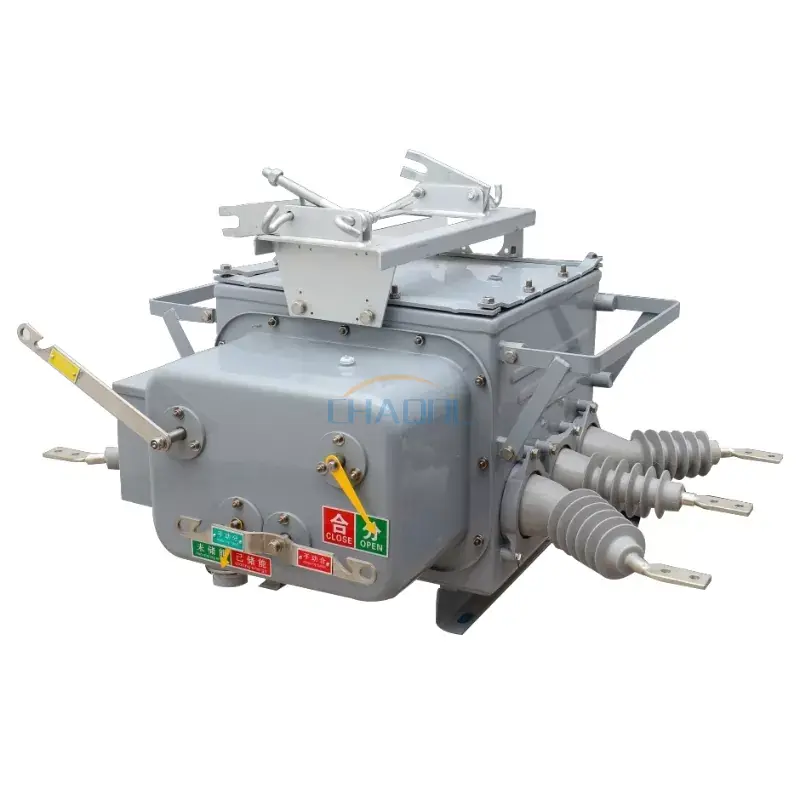
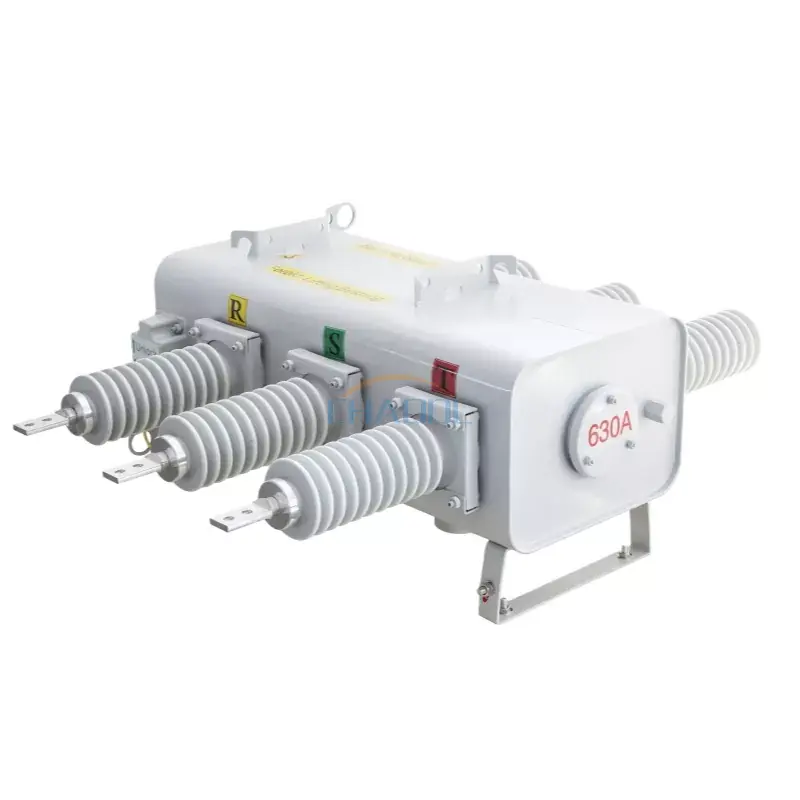
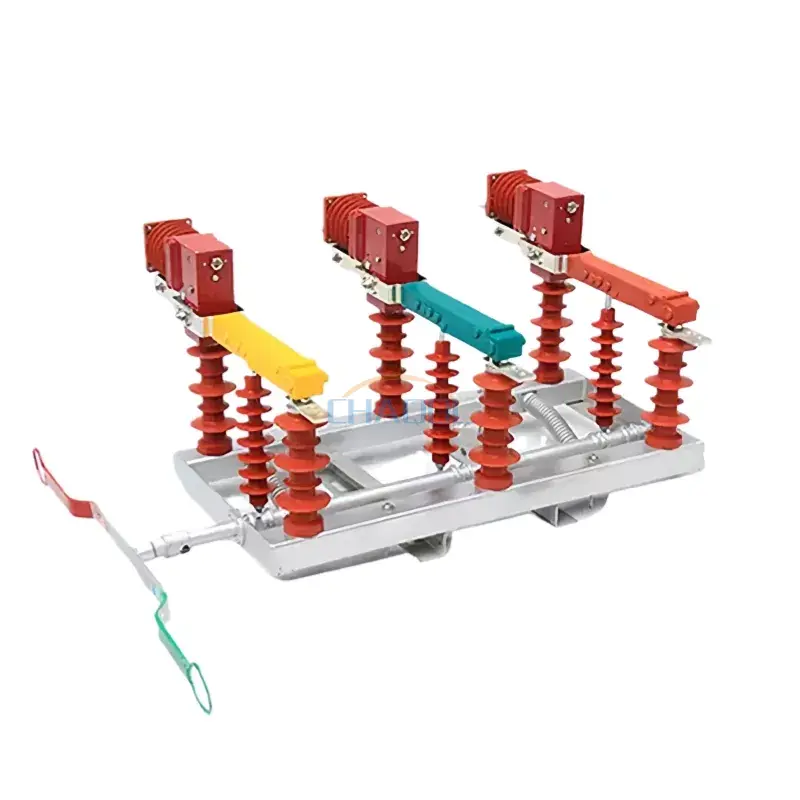
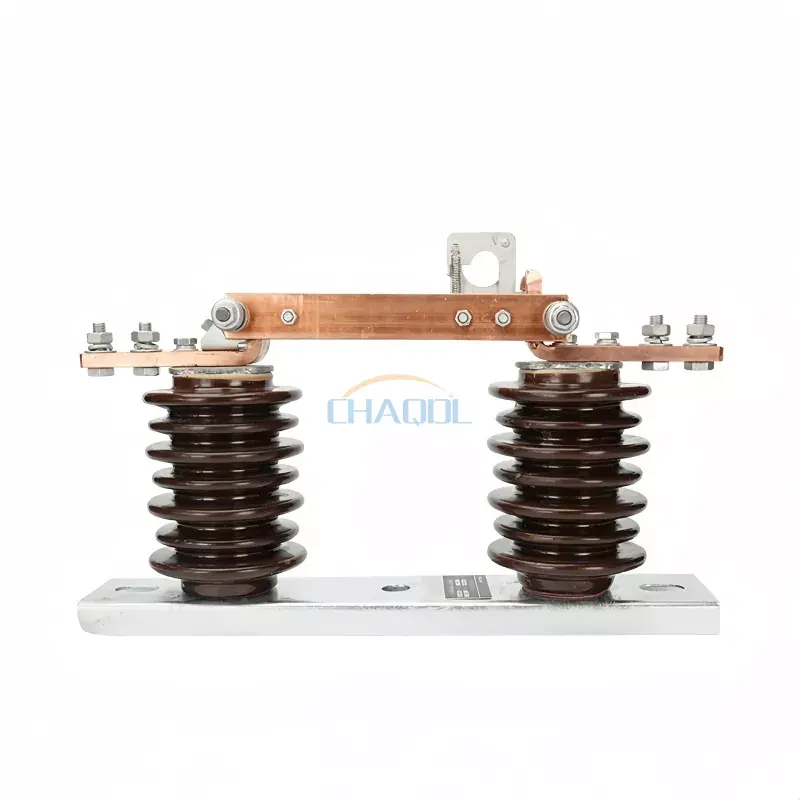
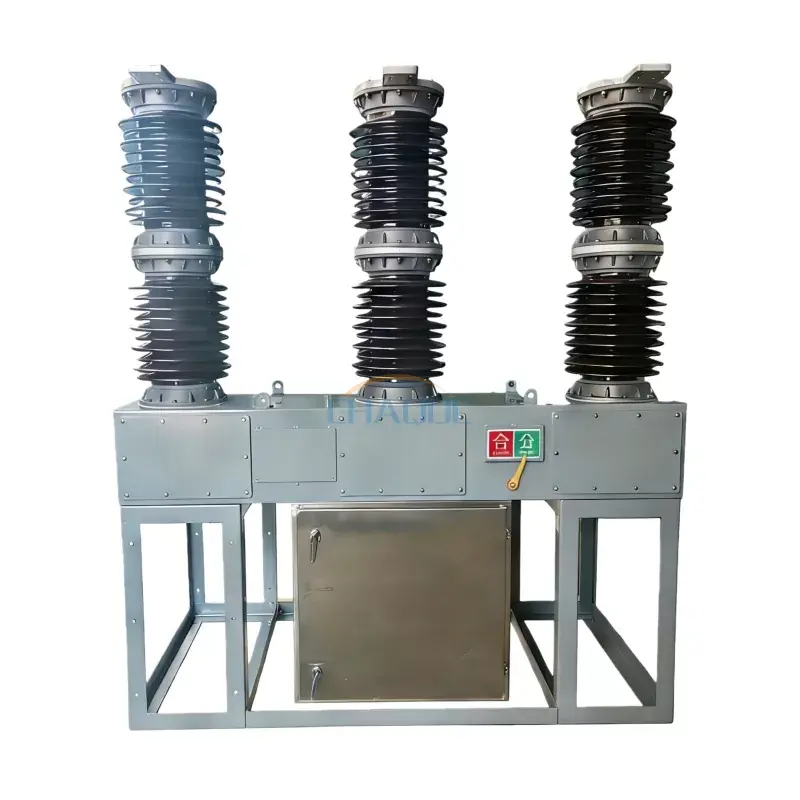
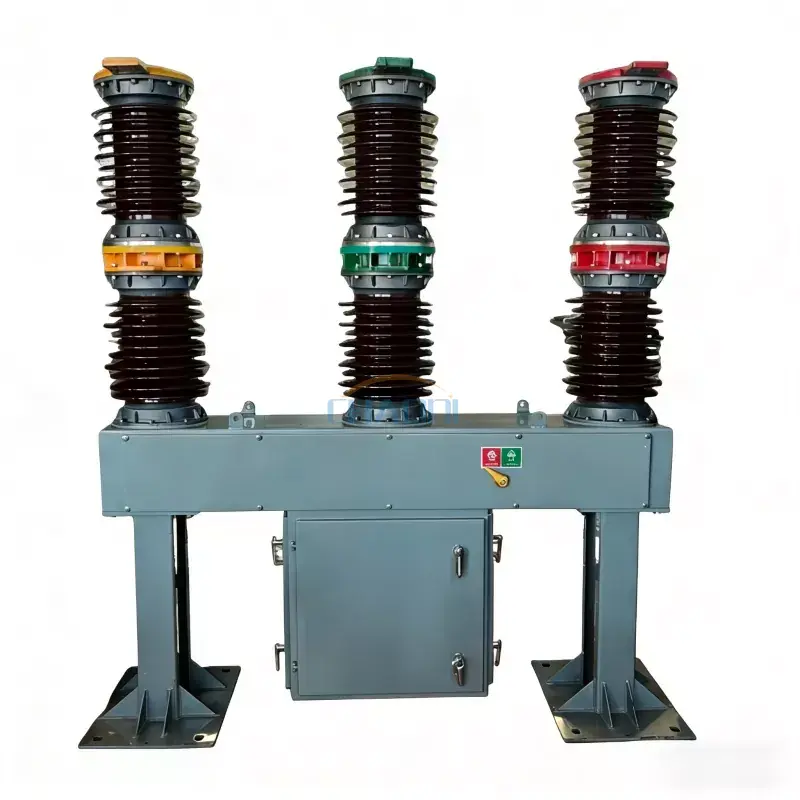
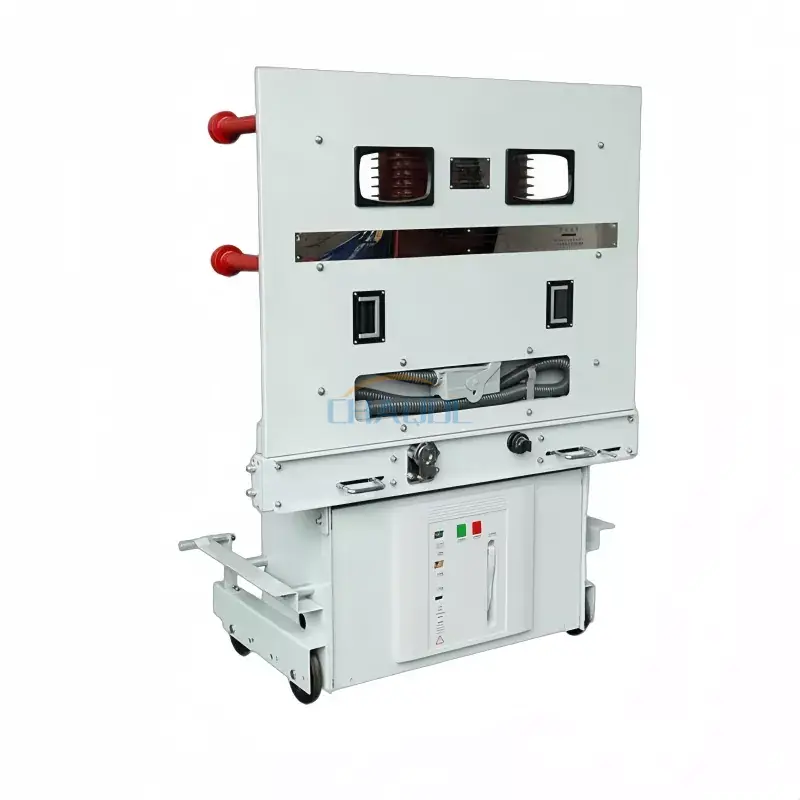
66KV Gas Insulated Switchgear Breaker
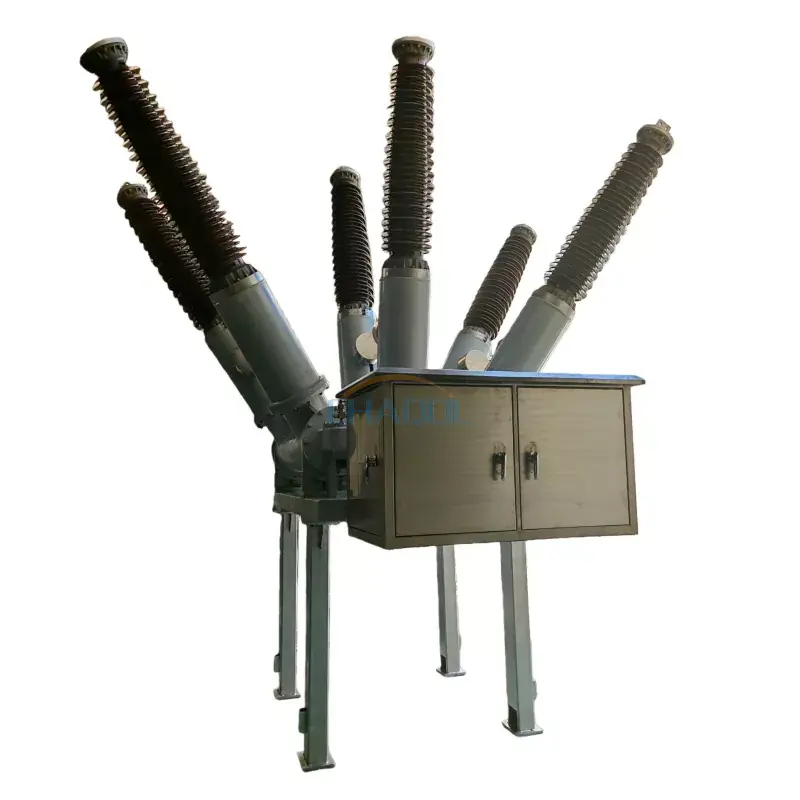
The 66KV Gas Insulated Switchgear Breaker is designed for modern substations where space optimization, operational safety, and intelligent grid management are key engineering requirements. Unlike conventional outdoor circuit breakers that rely heavily on environmental protection structures, this gas-insulated solution uses a sealed switching chamber to isolate the interrupter system from moisture, dust, salt pollution, and extreme weather conditions. It is widely applied in urban substations, renewable energy collection systems, industrial power networks, and utility transmission projects where high reliability is required within a limited installation footprint.
Built around proven SF6 insulation and arc interruption technology, this breaker provides stable dielectric performance and rapid fault clearing capability. Compared with traditional air-insulated equipment, the compact gas compartment design significantly reduces phase spacing requirements while improving resistance against external contamination. For projects requiring different installation configurations, it can be integrated with solutions such as the 66KV SF6 Circuit Breaker, 66KV Outdoor SF6 Circuit Breaker, and Tank Type SF6 Breaker product series to meet different substation layouts and protection strategies.
Engineering Advantages for Modern Power Infrastructure
The design philosophy of the 66KV Gas Insulated Switchgear Breaker focuses on reducing lifecycle costs rather than only improving initial performance. The fully sealed gas chamber minimizes maintenance caused by environmental exposure, while the modular structure allows easier transportation, installation, and future upgrades. This makes it particularly suitable for metropolitan substations, offshore wind power stations, solar power transmission systems, and industrial facilities requiring continuous operation.
-
Space-saving substation design: Compact gas insulation technology reduces installation clearance and equipment footprint compared with conventional AIS solutions.
-
Enhanced environmental protection: Sealed compartments prevent dust, humidity, and pollution from affecting internal insulation performance.
-
Reliable fault interruption: Optimized SF6 arc extinguishing technology ensures fast current interruption under severe fault conditions.
-
Digital substation compatibility: Supports IEC 61850 communication, remote monitoring, and intelligent protection systems.
-
Reduced maintenance workload: Factory-sealed gas chambers minimize inspection frequency and improve operational availability.
-
Flexible project integration: Suitable for new substations, expansion projects, and replacement of aging switching equipment.
Core Structural Design and Reliability Features
The breaker adopts a modular three-phase gas-insulated structure consisting of interrupter chambers, sealed gas compartments, operating mechanism, and intelligent control interfaces. The spring operating mechanism provides stable closing and opening energy, ensuring reliable operation even during emergency switching conditions.
-
Self-blast SF6 interrupter design reduces operating energy consumption.
-
Hermetically sealed gas compartment with density monitoring system.
-
Aluminum alloy enclosure provides corrosion resistance and mechanical strength.
-
Optional integrated current transformer design supports protection and metering applications.
-
Anti-condensation heating system available for high humidity and cold climate regions.
-
Remote operation interface supports SCADA and smart grid applications.
Technical Specifications
|
Parameter
|
Specification
|
|
Rated Voltage
|
66 kV system (72.5 kV maximum voltage)
|
|
Rated Frequency
|
50 / 60 Hz
|
|
Rated Current
|
1250 A / 2000 A / 2500 A / 3150 A
|
|
Rated Short-Circuit Breaking Current
|
31.5 kA / 40 kA
|
|
Rated Short-Circuit Making Current
|
80 kA / 100 kA peak
|
|
Short-Time Withstand Current
|
31.5 kA / 40 kA for 3 seconds
|
|
Insulation Medium
|
SF6 gas
|
|
SF6 Gas Pressure
|
0.5–0.6 MPa at 20°C
|
|
Gas Leakage Rate
|
≤0.5% per year
|
|
Mechanical Endurance
|
M2 Class, ≥10,000 operations
|
|
Electrical Endurance
|
E2 Class according to IEC 62271-100
|
|
Opening Time
|
≤50 ms
|
|
Arcing Time
|
≤15 ms
|
|
Total Breaking Time
|
≤60 ms
|
|
Closing Time
|
≤100 ms
|
|
Control Voltage
|
110 V DC / 220 V DC / 240 V AC
|
|
Operating Temperature
|
-40°C to +55°C (optional)
|
|
Communication Interface
|
IEC 61850, Modbus, DNP3
|
|
Applicable Standards
|
IEC 62271-100, IEC 62271-1, IEEE C37 Series
|
66KV GIS Breaker vs Traditional Circuit Breaker Comparison
Selecting the correct breaker technology depends on installation environment, available space, maintenance requirements, and long-term operating costs. The following comparison highlights the practical differences between gas-insulated breakers and conventional air-insulated solutions.
|
Comparison Item
|
66KV Gas Insulated Switchgear Breaker
|
Traditional Air Insulated Breaker
|
|
Installation Footprint
|
Compact design, suitable for limited-space substations
|
Requires larger phase clearance and yard space
|
|
Environmental Resistance
|
High resistance against humidity, dust, and pollution
|
More affected by external environment
|
|
Maintenance Frequency
|
Lower maintenance due to sealed gas chamber
|
Requires more frequent insulation inspection
|
|
Substation Expansion
|
Easy integration into compact GIS layouts
|
Requires additional installation space
|
|
Initial Investment
|
Higher equipment cost but lower lifecycle cost
|
Lower initial cost but higher land and maintenance demand
|
|
Smart Grid Integration
|
Designed for digital monitoring and automation
|
Requires additional retrofit equipment
|
Applications
-
66kV utility transmission and distribution substations
-
Renewable energy collector substations for solar and wind projects
-
Industrial plants with continuous power requirements
-
Urban substations where land availability is limited
-
Mining, metallurgy, and heavy manufacturing power systems
-
Replacement projects for aging oil or air circuit breakers
Frequently Asked Questions
1. Why choose a gas insulated breaker instead of a conventional outdoor breaker?
A gas insulated breaker provides a sealed operating environment, better pollution resistance, and a smaller installation footprint. It is especially suitable for substations located in cities, coastal areas, or regions with severe weather conditions.
2. How long is the service life of a 66KV GIS breaker?
With proper operation and maintenance, the typical design service life exceeds 30 years. The sealed gas compartment and durable mechanical structure help maintain stable performance throughout the equipment lifecycle.
3. Does this breaker support smart grid communication?
Yes. The breaker can be equipped with intelligent control modules supporting IEC 61850, Modbus, and DNP3 communication protocols for remote monitoring and substation automation.
4. What maintenance is required for SF6 gas insulated breakers?
Routine maintenance mainly includes gas density monitoring, mechanical inspection, and electrical testing. Compared with open-air equipment, maintenance intervals are significantly extended because internal components are protected from environmental contamination.
5. Can the 66KV Gas Insulated Switchgear Breaker be customized?
Yes. Rated current, short-circuit capacity, control voltage, communication modules, current transformer configuration, and installation structure can be customized according to project requirements.
Why Choose Our 66KV Gas Insulated Switchgear Breaker
As a professional medium and high voltage switchgear manufacturer, we provide complete technical support from product selection and engineering design to factory testing and after-sales service. Each breaker is tested according to international standards before delivery, including dielectric withstand testing, mechanical operation verification, gas leakage inspection, and protection function testing. This ensures reliable performance for demanding power infrastructure projects worldwide.



 Whatsapp